
Are You Earning Up to Your Potential?
Most personal trainers are undervaluing their time and skills. Our Personal trainer Revenue Calculator helps you find out what you should be making, and how to get there.
No guesswork. Just real numbers.
.webp)
Introduction
Focusing solely on physical training and nutrition is easy when achieving peak fitness performance. However, a powerful factor often gets overlooked: the mind-body connection. This subtle yet crucial link between your mental and physical health can make all the difference in your fitness journey. In this blog, we'll explore the mind-body connection, its role in optimizing fitness, practical tips for fitness trainers and enthusiasts, and even how different types of exercise can reduce stress and improve mood.
Section 1: What is the Mind-Body Connection?

The mind-body connection is the intricate interplay between your mental and physical well-being. Understanding how your thoughts, emotions, and beliefs influence physical performance is important. Here are some key aspects to consider:
1. Thoughts and Focus
- Your thoughts can either empower or hinder the fitness progress of your workout.
- Positive thoughts can boost self-belief and motivation, while negative ones can lead to self-doubt and reduced effort.
2. Emotions and Stress
- Emotional stress can affect your physical abilities and your body's ability to recover and adapt.
- Chronic stress can lead to fatigue, muscle tension, and reduced workout gains.
Section 2: The Mind-Body Connection in Action

Now that we've established what the mind-body connection is, let's see how it plays out in your physical fitness journey:
Motivation and Goal Achievement
- Your mindset plays a pivotal role in your motivation to exercise regularly. You're more likely to stay committed when you believe in your ability to reach your fitness goals.
- The mind-body connection becomes even more apparent as you work towards your goals. You'll notice that your mental determination fuels your physical efforts, pushing you to exceed your own expectations.
- The satisfaction of achieving a fitness milestone boosts your self-esteem and strengthens your belief in the power of your mind to drive your body towards success.
Also read: Fitness Motivational Quotes by Experts
Performance Improvement
- The mind-body connection is at its most evident when you're striving to improve your physical performance. Whether lifting heavier weights, running faster or mastering a challenging yoga pose, your mental state is a key player.
- As mentioned earlier, visualising success helps you break down mental barriers and build confidence in your abilities. Athletes have long used this technique to enhance their performance in competitions.
- Attention to your mental state during workouts can also help you adjust and optimize your training in real-time. For example, recognizing when you're pushing yourself too hard or not hard enough can lead to more effective workouts and injury prevention.
Stress Management and Recovery
- Stress is unavoidable, but how you manage it can greatly impact your fitness journey. Chronic stress can lead to physical ailments, hampering your progress.
- Mindfulness practices, such as meditation, yoga, and deep breathing exercises, are essential for managing stress. They help you stay grounded and centred, allowing your body to recover more effectively after intense workouts.
- When you're mentally and emotionally balanced, your body is better equipped to repair and rebuild after strenuous exercise, leading to faster recovery times.
Consistency and Lifestyle
- The mind-body connection also plays a significant role in establishing and maintaining a consistent fitness routine. When exercise becomes a part of your lifestyle, your mental commitment keeps you going, even when you don't feel like it.
- Consistency, in turn, leads to long-term health benefits. Regular exercise helps lower the risk of chronic diseases, improves mood, and enhances overall well-being.
- Your mindset evolves over time as you experience the positive effects of your fitness routine. You become more in tune with your body and better equipped to listen to its needs, making it easier to maintain a healthy, active lifestyle.
💪 Got an idea for a brand? Let's bring it to life.
Launch your own fitness app with FitBudd in minutes!

💪 Got your brand name? Let’s bring it to life.
Launch your own fitness app with FitBudd in minutes!



88% trainers worldwide gave us 5 stars
Transform your fitness business with the power of your branded app on iOS and Android.
Try for FREEPositive Body Image and Self-Esteem
- Your mind has a powerful influence on how you perceive your body. A strong mind-body connection can lead to a more positive body image and higher self-esteem.
- Embracing your body's capabilities and focusing on what it can do rather than how it looks can boost your confidence.
- As you achieve fitness milestones, your self-esteem naturally improves, reinforcing the mind-body connection and motivating you to continue your journey towards better health.
Section 3: Practical Tips for Optimizing Physical Health

In addition to understanding the mind-body connection, implementing practical strategies is key to enhancing your mental resilience, physical health and fitness performance. Here are more valuable tips to help you on your journey:
Hydration Matters
- Staying properly hydrated is essential for optimal physical performance.
- Dehydration can lead to decreased energy levels, muscle cramps, and impaired cognitive function.
- Make it a habit to drink water regularly throughout the day, especially before, during, and after workouts.
Also read: Quenching the Thirst for Fitness: The Ultimate Guide to Staying Hydrated During Workouts!
Nutrition for Fuel
- Nutrition plays a pivotal role in your overall health and fitness.
- Fuel your body with a balanced diet rich in lean proteins, complex carbohydrates, healthy fats, and vitamins and minerals.
- Pre-workout snacks like a banana or a handful of nuts can provide energy, while post-workout meals should focus on recovery with protein and carbohydrates.
Also read: Fueling Your Fitness: Unleash the Power of Functional Foods for a Healthier, Stronger You!
Rest and Recovery
- Don't underestimate the importance of rest and recovery.
- Adequate sleep allows your body to repair and grow, which is essential for muscle development.
- Active recovery, such as gentle stretching or light yoga, can alleviate muscle soreness and promote flexibility.
Proper Warm-Up and Cool-Down
- A thorough warm-up is crucial to prepare your body for exercise, reducing the risk of injury.
- Incorporate dynamic stretches and light cardio to increase blood flow and joint mobility.
- Cooling down after your workout with static stretches can aid muscle recovery and flexibility.
Listen to Your Body
- Your body provides valuable feedback during workouts.
- Pay attention to signals like pain, discomfort, or fatigue.
- Adjust your routine or take a break to prevent overuse injuries if something feels wrong.
Cross-Training
- Variety in your workouts keeps things interesting and helps prevent plateaus and overuse injuries.
- Incorporate different types of exercises into your routine, such as strength training, cardio, flexibility, and balance workouts..
Track Your Progress
- Keeping a fitness journal or tracking app can help you monitor your progress.
- Record your workouts, sets, reps, and weights to identify areas of improvement and set new goals.
Seek Professional Guidance
- If you're new to fitness or have specific goals, consider working with a certified fitness trainer or a registered dietitian.
- Their expertise can provide personalized guidance and ensure you're on the right track.
Section 4: Mind-Body Connection: The Science Behind It

Understanding the science behind the mind-body connection provides a solid foundation for appreciating its profound impact on your fitness journey. Here's a closer look at the scientific aspects that underpin this connection:
Neurotransmitters and Mood
- Exercise has a direct influence on the release of neurotransmitters, such as endorphins, serotonin, and dopamine.
- Endorphins, often called "feel-good" hormones, are released during physical activity. They create a sense of happiness and reduce pain perception.
- Serotonin levels increase with exercise, contributing to improved mood, reduced anxiety, and better sleep patterns.
- Dopamine, a neurotransmitter associated with pleasure and reward, is also released during exercise, making workouts more enjoyable and motivating you to keep going.
Cortisol and Stress
- The body's stress response, mediated by the hormone cortisol, significantly impacts the mind-body connection.
- Chronic stress leads to prolonged elevated cortisol levels, harming physical health.
- High cortisol levels can result in muscle breakdown, reduced muscle recovery, and increased fat storage.
- Mindfulness practices, such as meditation and deep breathing, have been shown to reduce cortisol production, helping mitigate stress's harmful effects.
Brain Plasticity
- The brain's ability to change and adapt, known as neuroplasticity, plays a crucial role in the mind-body connection.
- Regular physical exercise has been linked to increased neuroplasticity, which means your brain becomes more adaptable and efficient at learning new movements and skills.
- This adaptability extends to mental functions as well. Exercise has been shown to enhance cognitive functions like memory, attention, and problem-solving.
The Gut-Brain Axis
- Recent research has shed light on the connection between the gut and the brain.
- The gut microbiome, a diverse community of microorganisms in your digestive tract, influences brain health.
- Exercise can positively impact the gut microbiome, promoting a balance of beneficial bacteria associated with improved mood and cognitive function.
- A healthy gut can contribute to reduced inflammation, which is often associated with mental health disorders.
Hormones and Appetite Regulation
- Hormones, such as leptin and ghrelin, play a role in appetite regulation.
- Exercise can help regulate these hormones, potentially reducing cravings and promoting healthier eating habits.
- A balanced diet and regular exercise work together to maintain a healthy body weight and improve overall well-being.
Section 5: Types of Exercise for Stress Reduction and Mood Improvement for Mental well being
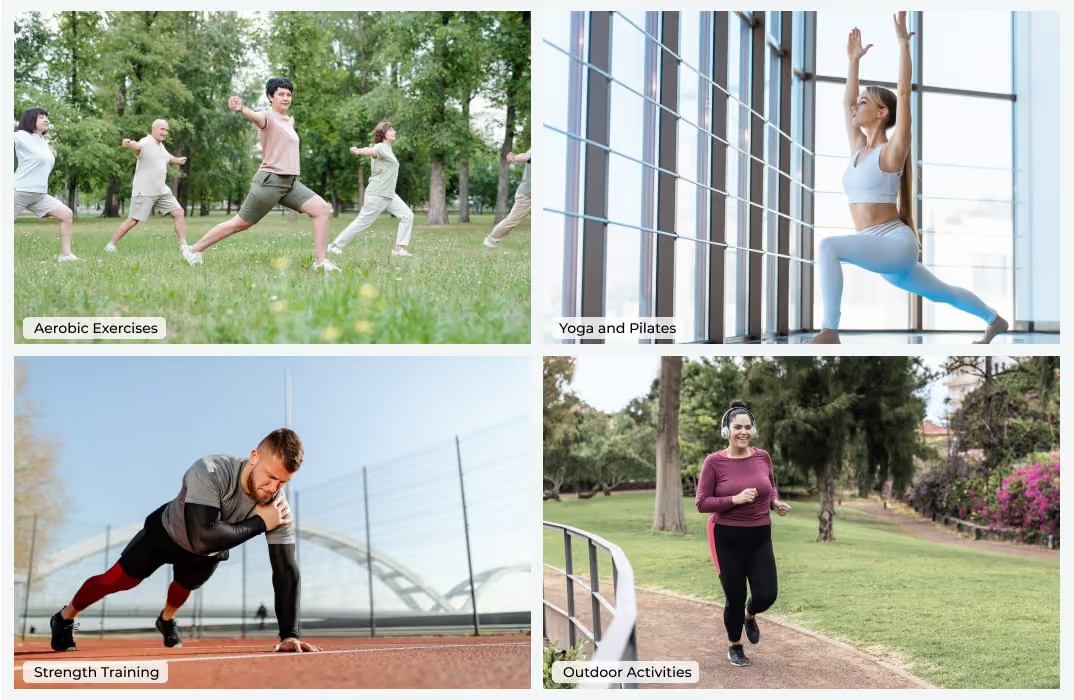
Now, let's delve into specific exercises that can help reduce stress and improve mood:
1. Aerobic Exercises
- Activities like jogging, swimming, and dancing release endorphins.
- They promote relaxation and alleviate stress.
2. Yoga and Pilates
- These practices combine physical postures with incorporating mindfulness techniques.
- They enhance flexibility, reduce physical tension, and promote mental clarity.
3. Strength Training
- Lifting weights can boost self-esteem and body image.
- Feeling stronger physically can translate to feeling stronger mentally.
4. Outdoor Activities
- Nature walks or hikes in green spaces reduce stress.
- The fresh air and natural surroundings can clear your mind and manage stress.
Section 6: Practical Advice on Implementing Exercise into a Daily Routine for Better Physical Performance
Incorporating exercise into your daily exercise routine that doesn't have to be overwhelming:
1. Start Small
- Begin with short, manageable workouts and gradually increase intensity.
- Consistency is key.
2. Schedule It
- Treat your workout like an important appointment.
- Block out time in your training calendar for exercise.
3. Combine Activities
- Multi-task by incorporating physical activity and mental focus into everyday tasks.
- For example, take the stairs instead of the elevator.
4. Find Accountability
- Work out with a friend or hire a personal trainer.
- Accountability partners can keep you on track.
Conclusion
In the fitness world, the mind-body connection is an often underestimated superpower. By acknowledging its role and implementing practical strategies, fitness trainers and enthusiasts can unlock their full potential. Remember, your positive mindset, is as crucial as your physical effort when striving for peak performance. Embrace the mind-body connection, explore different types of exercise for stress reduction and mood improvement, and follow practical advice to make exercise a part of your daily routine. Watch your fitness journey flourish, and enjoy its numerous benefits to your body and mind.



Meet the author
Aishwarya Mehra
With a passion for digital strategy and a keen eye for engagement, Aishwarya Mehra is your partner in turning clicks into clients and likes into loyal followers.
Frequently Asked Questions

Yangzey Sherpa leads content strategy at FitBudd, overseeing content planning and execution across fitness-focused digital channels. With over five years of experience in SEO and content, she works closely with the fitness industry to ensure content aligns with the needs of coaches, trainers, and gym owners. Her role keeps her deeply connected to fitness business workflows, coaching models, and how professionals use digital platforms to grow.


Apra Pathak has worked closely within the fitness niche for several years, supporting personal trainers and fitness coaches through content and digital marketing initiatives. Her experience centers on understanding how fitness professionals build visibility, communicate value, and engage clients online. Through sustained involvement with fitness-focused platforms and audiences, she has developed a strong understanding of the digital needs and growth challenges faced by modern fitness businesses.

Aishwarya Mehra has been actively involved in fitness-focused digital marketing, working closely with brands and platforms that serve coaches, trainers, and fitness businesses. Her experience spans engagement-driven strategies designed specifically for fitness audiences. Through ongoing exposure to fitness campaigns and communities, she remains closely aligned with how fitness professionals attract, convert, and retain clients in digital environments.

Suchandra Das has contributed content within the fitness niche, working on resources designed for coaches, trainers, and fitness business owners. Her experience involves supporting fitness-related topics with clear, structured, and accessible content. Through consistent involvement with fitness-focused platforms, she has developed familiarity with coaching workflows, client communication, and the informational needs of fitness professionals.
FitBudd is a fitness technology platform built exclusively for coaches, personal trainers, gym owners, and fitness professionals. The platform supports fitness businesses through branded apps, white-labeled solutions, and websites designed around real coaching and training workflows. FitBudd works closely with the global fitness community, maintaining deep, ongoing involvement in the fitness industry.

Ankit Uniyal has worked extensively with fitness-focused content, supporting platforms that cater to personal trainers, gym owners, and fitness professionals. His experience includes optimizing and structuring content around fitness-related search behavior and user intent. Through continued involvement in the fitness niche, he has gained a strong understanding of how trainers and coaches build discoverability and authority online.

Saumya Mittal is the Co-Founder and CEO of FitBudd. Since 2021, she has been actively engaged in the fitness technology sector, collaborating with global fitness companies to foster digital growth and scalable operations. With over a decade of experience leading high-impact projects in engineering and operations, Saumya has a strong background in developing reliable and scalable systems. Through FitBudd, she is dedicated to addressing the evolving needs of fitness professionals worldwide.

Kinshuk Snehi has been closely involved in the fitness space for over four years. Through his work at FitBudd, he has contributed to shaping how fitness professionals build their online presence, attract clients, and scale sustainable coaching businesses. Deeply interested in the intersection of fitness, technology, and growth, Kinshuk brings a hands-on understanding of the challenges faced by modern trainers. His passion lies in building systems and strategies that support long-term consistency, both in fitness journeys and business growth.

Kanika Verma has been closely involved in building solutions for the fitness industry, working with platforms used by coaches and trainers globally. Her experience includes direct exposure to fitness coaching workflows and operational needs. Through sustained involvement in fitness-focused product development, she has developed a strong understanding of how fitness professionals manage clients, programs, and daily operations.

Tanya Sharma has worked on branding initiatives within the fitness niche, supporting fitness platforms and businesses with visual identity design. Her experience includes creating brand systems used by coaches, trainers, and fitness-focused products. Through ongoing involvement in fitness-related design projects, she remains closely connected to how fitness brands communicate trust and professionalism.

Niharika Sonavane has contributed to visual design projects within the fitness industry, supporting platforms and brands serving fitness professionals. Her experience spans creating digital assets used across fitness apps, websites, and marketing materials. Through continued work in the fitness niche, she remains closely aligned with the visual communication needs of coaches and fitness businesses.

Elesh Patel has worked extensively on marketing initiatives within the fitness niche, managing paid campaigns for fitness-focused products and services. His experience includes supporting platforms that target personal trainers, gym owners, and fitness creators. Through long-term involvement in fitness marketing, he remains closely connected to how fitness professionals discover and adopt digital tools.



Food Log Template
Track your dietary intake and make informed choices with our convenient food log template.
Download Now
Templates
These functional templates have the power to make any fitness trainer's life easier.
Subscribe To
Our Blog
.avif)
.avif)