Are You Earning Up to Your Potential?
Most personal trainers are undervaluing their time and skills. Our Personal trainer Revenue Calculator helps you find out what you should be making, and how to get there.
No guesswork. Just real numbers.
.webp)
Introduction
The rapid advancement of technology has greatly influenced various industries, and the fitness industry is no exception. In recent years, mobile applications have emerged as powerful tools that significantly enhance the gym member experience. Many gyms are now collaborating with a fitness app development company to build smarter, more intuitive digital ecosystems for their members. These mobile fitness apps provide a wide range of features and functionalities that cater to the needs of gym members, fitness businesses, and personal trainers.
In this article, we will delve into the importance of mobile apps in the gym member experience, analyzing the impact on fitness app usage, gym members' convenience, fitness businesses' operations, personal trainers' engagement, and the key app features that drive their effectiveness.
Importance of Mobile Apps in Gym Member Experience:
1. Enhanced Convenience and Accessibility for your Fitness Business
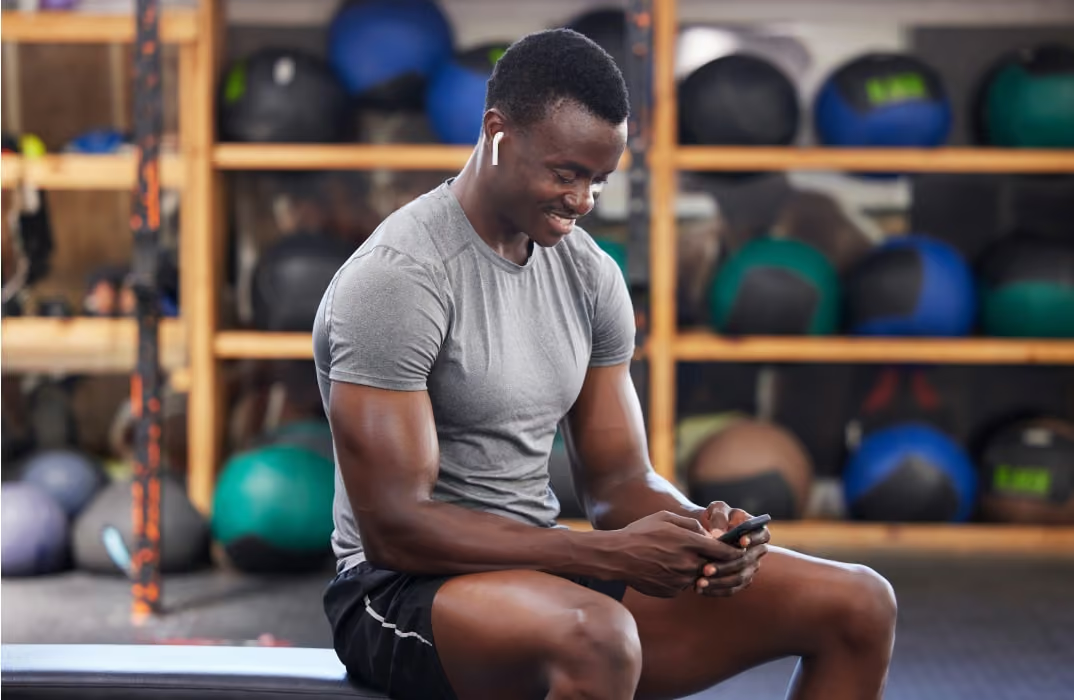
Enhanced convenience and accessibility are key benefits of mobile apps for gym members. Gym fitness apps provide members with 24/7 access to various information and services. Gone are the days of relying on the gym's operating hours or having to visit the facility for a lengthy sign-up process, check class schedules, book sessions, or access training resources. Many gyms now pair these mobile tools with modern fitness studio software like FitBudd to deliver a smoother, more connected experience for members from the moment they sign up.
With mobile apps, everything members need is conveniently available at their fingertips. They can easily browse class schedules, reserve spots in their preferred classes, and even receive notifications about changes or cancellations. This eliminates the need for manual sign-ups and minimizes the chances of scheduling conflicts.
Whether members are at home, at work, or on the go, they can effortlessly manage their fitness routine and stay connected to their gym or fitness studios. The convenience of having all these features accessible anytime, anywhere greatly enhances the overall gym member experience, making it easier for individuals to stay committed and engaged in their fitness journey.
2. Personalization and Goal Tracking for Gym Members
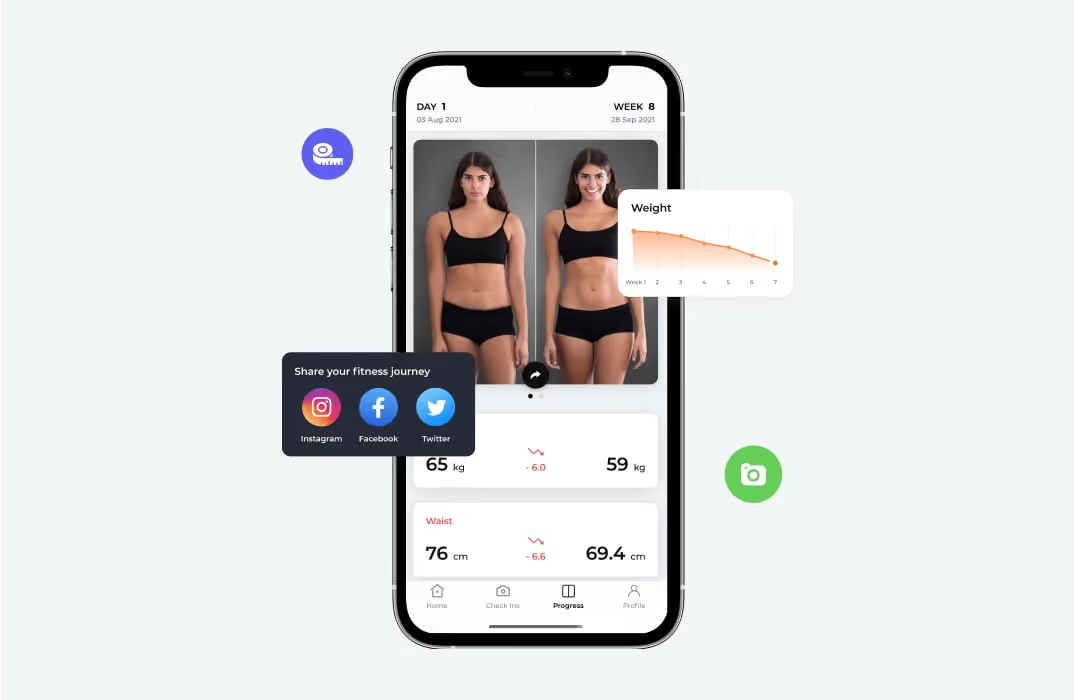
Personalization and goal tracking are key features of a gym fitness app that contribute significantly to the gym member experience. Here's a breakdown of their importance:
A gym fitness app offers a high degree of personalization, tailoring the experience to meet each member's needs and preferences. Upon setting up their profiles, members can input their fitness goals, such as weight loss, muscle gain, or overall wellness. Based on this information, the app generates customized recommendations and workout plans aligning with its objectives.
These recommendations can include exercise routines, nutrition tips, guidance, and even suggested classes or programs that cater to their interests.
Moreover, a gym fitness app allows members to track their progress in real-time. They provide features such as workout logging, where members can record their exercises, sets, reps, and weights through wearable technology.
This tracking functionality enables members to monitor their achievements and progress over time. It serves as a source of motivation and a tangible way to measure their results. Some apps even offer visual representations, such as graphs and charts, to help members visualize their improvements and celebrate milestones along their fitness journey.
Personalizing and tracking goals through a gym app empower gym members to take ownership of their fitness. They can set specific targets, track their progress, and adjust their routines accordingly.
This level of control enhances the overall member experience by making the fitness journey more engaging and individualized. Members can stay motivated as they see their progress unfold and make informed decisions based on their tracked data.
In addition, fitness apps often provide other personalization features, such as workout reminders and adaptive recommendations based on past activities. These features help members, including those engaged in mixed martial arts training, stay on track with their fitness goals and ensure they make the most out of their gym membership.
💪 Got an idea for a brand? Let's bring it to life.
Launch your own fitness app with FitBudd in minutes!

💪 Got your brand name? Let’s bring it to life.
Launch your own fitness app with FitBudd in minutes!



88% trainers worldwide gave us 5 stars
Transform your fitness business with the power of your branded app on iOS and Android.
Try for FREE3.Seamless Communication and Engagement:

One of the key advantages of fitness apps is their ability to facilitate seamless communication and engagement between gym members and their personal trainers or the fitness community. Here's a closer look at why this aspect is crucial:
Fitness apps provide a direct line of communication between gym members and their personal trainers. In-app messaging features enable members to reach out to their trainers with questions, concerns, or requests for guidance.
This direct communication channel creates a sense of accessibility and support, as members can receive timely responses and personalized advice from their trainers. Whether they need clarification on proper form, an exercise technique, or dietary recommendations, they can seek guidance conveniently through the app.
Moreover, fitness apps often include community features that allow members to connect with other like-minded individuals. This can be chat groups, forums, or social media-like platforms within the app. Members can share their progress, ask for advice, and support each other. This sense of community fosters motivation, accountability, and belonging among fitness enthusiasts. Members can celebrate achievements together, share workout tips, and engage in friendly competitions, creating a supportive and interactive environment within the app.
Push notifications are another important aspect of seamless communication offered by fitness apps. These notifications can send reminders about upcoming classes or sessions, inform members about new program offerings, or provide personalized workout suggestions based on their preferences and goals.
By proactively contacting members through notifications, fitness apps keep them engaged and connected through wearable devices, ensuring they stay on track with their fitness routine.
The seamless communication and engagement facilitated by fitness apps contribute to a more interactive and motivating gym member experience. Members feel supported and connected to their trainers and peers, fostering a sense of accountability and encouragement. They can easily seek guidance, receive feedback, and stay informed about the latest happenings in the fitness community.
By incorporating these communication features, fitness apps enhance the app-related overall member experience and create a virtual fitness ecosystem that extends beyond the physical gym space and physical location.
4.Streamlined Class Management and Registration on the Fitness App

One of the significant advantages of an app in the gym member experience is its streamlined class management and registration process. Here's a closer look at why this aspect is important:
Fitness apps provide a convenient and efficient way for members to manage their class schedules and registrations. Instead of relying on manual sign-up sheets or phone calls to reserve a spot in a class, members can easily access the class schedules through the app. They can view the available classes and their timings and even filter them based on their preferences, such as the type of workout or instructor.
This saves time and eliminates the frustration of potentially missing out on a desired class due to a lack of availability or late registration.
With an app, members can securely register for classes with just a few taps on their smartphones. They can quickly select the classes they wish to attend, confirm their registration, and receive an instant booking confirmation.
This eliminates the need for paper-based sign-ups or waiting in long queues at the gym reception. Members can register for classes anytime, whether at home, at work, or even via the gym mobile app while on the go.
From the perspective of fitness businesses, mobile apps streamline class management and attendance tracking. They provide real-time data on class capacities, enabling businesses to manage resources and ensure a balanced distribution of participants effectively.
Fitness apps can automatically close class registration once they reach their maximum capacity, preventing overcrowding and maintaining a positive member experience. In the case of any changes or cancellations, the gym fitness app also can promptly notify members, minimizing confusion and inconvenience.
5.Integration of Specialized Training:

Mobile apps are crucial in integrating specialized training within the gym member experience. Here's a closer look at why this aspect is significant:
Fitness apps have the capability to cater to various fitness disciplines, including specialized training such as mixed martial arts (MMA). These apps can offer specific features and resources that cater to the unique needs and interests of individuals pursuing specialized training.
For example, a fitness app geared towards MMA training may provide MMA-specific workout routines, technique tutorials, and progress-tracking tools to engage users. This specialized content enhances the member experience of the gym app and ensures that individuals receive targeted guidance and support in their chosen discipline.
Integrating specialized training within fitness apps benefits both gym members and trainers. For members, having access to specialized training resources through a mobile app allows them to expand their fitness horizons and explore new disciplines.
It allows them to develop skills and expertise in specific areas of interest. This adds variety to their workout routine and helps them achieve more focused and effective results. They can follow structured training programs tailored to their chosen discipline, ensuring they progress systematically and purposefully.
From the trainers' perspective, fitness apps with specialized training integration offer valuable tools for coaching and monitoring member progress. Trainers can leverage the app's features to design and deliver customized training programs, track performance metrics, and provide personalized feedback to members.
This level of individualized attention enhances the personal trainer-member relationship and fosters a sense of trust and accountability. Trainers can closely monitor their clients' skill development, track their achievements, and adjust the training program to ensure continued progress.
Integrating specialized training within fitness apps enhances the member experience and supports trainers in delivering targeted and impactful coaching. It facilitates growth and improvement in specific disciplines and allows new members to pursue their fitness goals precisely and enthusiastically. By offering specialized training features, fitness apps cater to gym members' diverse needs and interests, making their fitness journey more engaging, effective, and enjoyable.
Conclusion
Mobile apps have become indispensable tools in the gym member experience of the fitness business, providing convenience, personalization, and engagement. It can also help you create your own gym brand. They simplify class management, facilitate communication between members and trainers, and offer features that cater to individual needs and preferences. However, finding the right balance of in-app features, considering cost implications, and ensuring data security is essential. By leveraging the power of mobile apps, fitness businesses can create an environment that fosters member engagement, retention, and success in achieving their fitness goals. As technology advances, the importance of mobile apps in the gym member experience will only continue to grow, shaping the future of the fitness industry.



Meet the author
Aishwarya Mehra
With a passion for digital strategy and a keen eye for engagement, Aishwarya Mehra is your partner in turning clicks into clients and likes into loyal followers.
Frequently Asked Questions

Yangzey Sherpa leads content strategy at FitBudd, overseeing content planning and execution across fitness-focused digital channels. With over five years of experience in SEO and content, she works closely with the fitness industry to ensure content aligns with the needs of coaches, trainers, and gym owners. Her role keeps her deeply connected to fitness business workflows, coaching models, and how professionals use digital platforms to grow.


Apra Pathak has worked closely within the fitness niche for several years, supporting personal trainers and fitness coaches through content and digital marketing initiatives. Her experience centers on understanding how fitness professionals build visibility, communicate value, and engage clients online. Through sustained involvement with fitness-focused platforms and audiences, she has developed a strong understanding of the digital needs and growth challenges faced by modern fitness businesses.

Aishwarya Mehra has been actively involved in fitness-focused digital marketing, working closely with brands and platforms that serve coaches, trainers, and fitness businesses. Her experience spans engagement-driven strategies designed specifically for fitness audiences. Through ongoing exposure to fitness campaigns and communities, she remains closely aligned with how fitness professionals attract, convert, and retain clients in digital environments.

Suchandra Das has contributed content within the fitness niche, working on resources designed for coaches, trainers, and fitness business owners. Her experience involves supporting fitness-related topics with clear, structured, and accessible content. Through consistent involvement with fitness-focused platforms, she has developed familiarity with coaching workflows, client communication, and the informational needs of fitness professionals.
FitBudd is a fitness technology platform built exclusively for coaches, personal trainers, gym owners, and fitness professionals. The platform supports fitness businesses through branded apps, white-labeled solutions, and websites designed around real coaching and training workflows. FitBudd works closely with the global fitness community, maintaining deep, ongoing involvement in the fitness industry.

Ankit Uniyal has worked extensively with fitness-focused content, supporting platforms that cater to personal trainers, gym owners, and fitness professionals. His experience includes optimizing and structuring content around fitness-related search behavior and user intent. Through continued involvement in the fitness niche, he has gained a strong understanding of how trainers and coaches build discoverability and authority online.

Saumya Mittal is the Co-Founder and CEO of FitBudd. Since 2021, she has been actively engaged in the fitness technology sector, collaborating with global fitness companies to foster digital growth and scalable operations. With over a decade of experience leading high-impact projects in engineering and operations, Saumya has a strong background in developing reliable and scalable systems. Through FitBudd, she is dedicated to addressing the evolving needs of fitness professionals worldwide.

Kinshuk Snehi has been closely involved in the fitness space for over four years. Through his work at FitBudd, he has contributed to shaping how fitness professionals build their online presence, attract clients, and scale sustainable coaching businesses. Deeply interested in the intersection of fitness, technology, and growth, Kinshuk brings a hands-on understanding of the challenges faced by modern trainers. His passion lies in building systems and strategies that support long-term consistency, both in fitness journeys and business growth.

Kanika Verma has been closely involved in building solutions for the fitness industry, working with platforms used by coaches and trainers globally. Her experience includes direct exposure to fitness coaching workflows and operational needs. Through sustained involvement in fitness-focused product development, she has developed a strong understanding of how fitness professionals manage clients, programs, and daily operations.

Tanya Sharma has worked on branding initiatives within the fitness niche, supporting fitness platforms and businesses with visual identity design. Her experience includes creating brand systems used by coaches, trainers, and fitness-focused products. Through ongoing involvement in fitness-related design projects, she remains closely connected to how fitness brands communicate trust and professionalism.

Niharika Sonavane has contributed to visual design projects within the fitness industry, supporting platforms and brands serving fitness professionals. Her experience spans creating digital assets used across fitness apps, websites, and marketing materials. Through continued work in the fitness niche, she remains closely aligned with the visual communication needs of coaches and fitness businesses.

Elesh Patel has worked extensively on marketing initiatives within the fitness niche, managing paid campaigns for fitness-focused products and services. His experience includes supporting platforms that target personal trainers, gym owners, and fitness creators. Through long-term involvement in fitness marketing, he remains closely connected to how fitness professionals discover and adopt digital tools.



Workout Schedule & Progress Tracker Template
Stay on top of your fitness game with our customizable tracker to monitor progress and plan workouts.
Download Now
Templates
These functional templates have the power to make any fitness trainer's life easier.
Subscribe To
Our Blog