Marketing for personal trainers comes down to one job: making sure the people near you, or in your online niche, who are already looking for a trainer find you before they find someone else. Most trainers are good at the training part and uncomfortable with the marketing part, which is why the ones who do even a little of it consistently fill their books while better coaches sit half empty.
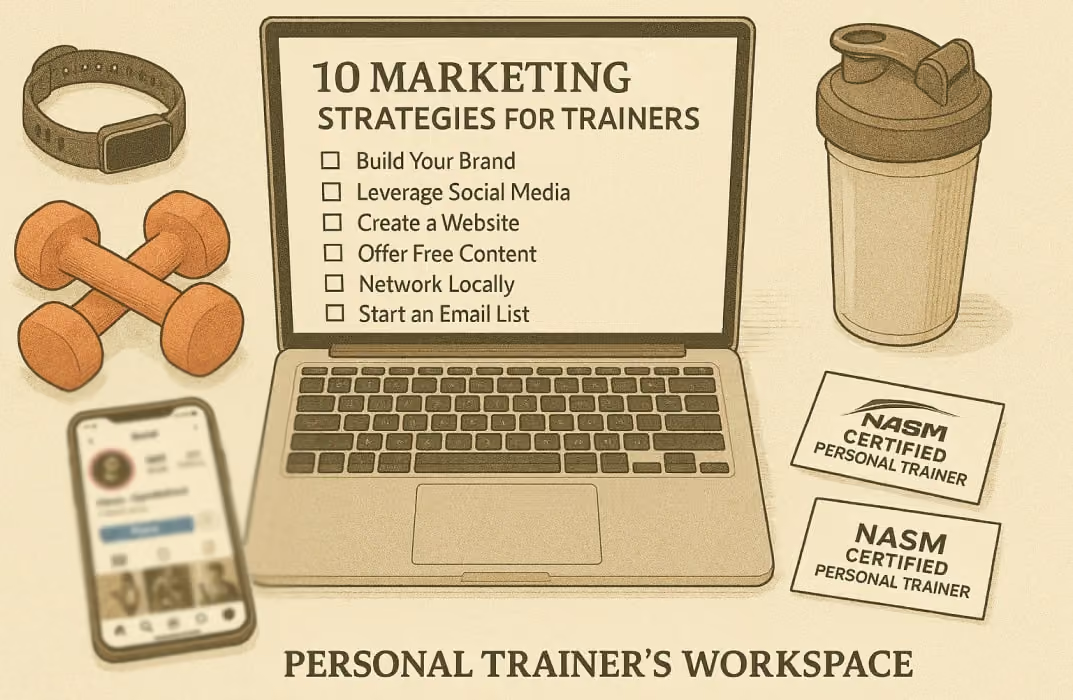
This guide covers 10 marketing strategies that work for personal trainers, fitness instructors and online fitness coaches, whether you train in a gym, run your own studio or coach entirely through an app. Five of them are digital (local SEO, social media, your website, email and directory listings) and five are relationship-based (free assessments, a signature program, referrals, events and your credentials). You do not need all 10. Most trainers get their first full client roster from three.
If you are starting from zero, do these first: claim your Google Business Profile (strategy 1), ask your current clients for referrals and reviews (strategy 6), and offer a free assessment (strategy 3). They cost nothing and start working within weeks. The rest build on top of that.
1. Optimize for Local SEO: Get Found as a Personal Trainer Near Me
If someone in your town types "personal trainer near me" into Google, will your name appear? For most trainers the answer is no, because they have never claimed the one free listing that controls that result.
Local SEO means showing up in the map results and local listings when people nearby search for a trainer. Here is how to get there:
- Claim and verify your Google Business Profile, pick "Personal trainer" as the primary category, and add your service area if you travel to clients.
- Fill in every field: services, prices or price range, hours, certifications and at least five photos of you training real clients.
- Ask every happy client for a Google review. Ten reviews with replies from you beats fifty with none.
- Post an update to the profile once a week. A client win, a tip or a photo from a session is enough.
- Put your city and the words "personal trainer" in your website's title tag and on the home page.
Local SEO is the digital version of a front desk. It is also the cheapest marketing a trainer can do, and the one most competitors skip.
2. Use Social Media to Share Workouts, Tips, and Success Stories
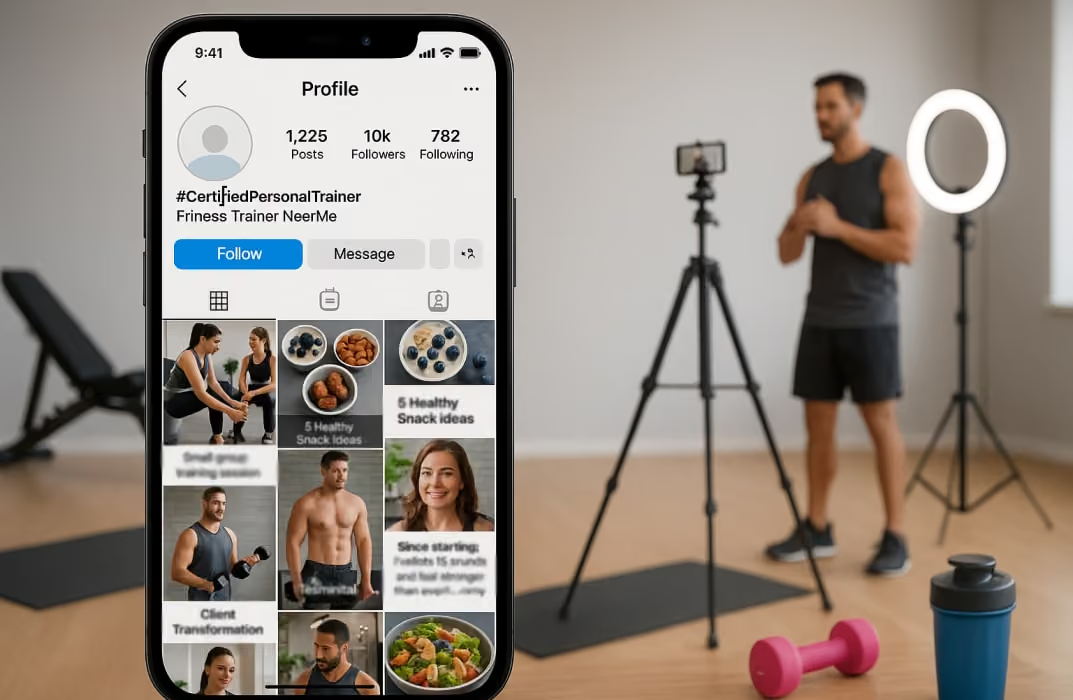
Social media is your modern-day business card. Platforms like Instagram, Facebook, and TikTok help showcase:
- Real client results and inspiring transformations
- Snippets of your training sessions and exercise demos
- Testimonials from people on their fitness journey and lifestyle changes
- Behind the scenes of your small group training classes, warm-ups, and cool-downs
If you're offering online fitness coaching for beginners, this is where you can demonstrate your approachability, expertise, and the supportive environment you create. Use hashtags like:
- Add location keywords like:
- Fitness trainer near me
- Physical trainer near me
- Professional trainer near me
Posting consistently helps people trust your ability to deliver real results. Include a mix of engaging workouts, helpful nutrition advice, effective weight lifting tutorials, and cardio tips tailored to different fitness levels and specific needs. Don't forget to interact with your followers—engagement is key to building a strong online fitness community.
💪 Got an idea for a brand? Let's bring it to life.
Launch your own fitness app with FitBudd in minutes!
💪 Got your brand name? Let’s bring it to life.
Launch your own fitness app with FitBudd in minutes!

3. Offer Free Fitness Assessments or Consultations to Kickstart the Fitness Journey
Offering a free consultation or trial session is one of the most effective ways to generate quality leads and build trust with potential clients. Many people actively search for:
- Personal trainer cost
- Personal instructor for beginners
- Fitness coach near me
- Personal fitness coach near me
- Private trainer near me
But for many, the uncertainty around pricing or commitment becomes a barrier to getting started.
By offering a no-risk trial, you're allowing potential clients to experience your guidance, personalized instruction, and the overall value of your personal training program firsthand. It also gives you the chance to:
- Discuss their fitness goals, motivations, and current lifestyle habits
- Share how your training approach can help them lose weight, build strength, improve mobility, and achieve better overall health.
- Highlight your professional credentials, such as being an ACE-certified personal trainer, NASM-certified, or a certified personal trainer with specialized expertise.
- Conduct a brief fitness assessment to determine their current fitness level and create a personalized routine based on their specific needs, whether they're beginners or more advanced.
If you're a local personal trainer, this introductory session also helps position you as a trusted expert within the community. For those offering virtual personal trainer services, consider hosting a free online consult via video call to showcase your digital setup and supportive coaching style.
You can also use this opportunity to collect contact information for your email list, future promotions, or to offer free resources. Whether you're working out of a gym, health club, or offering online fitness coaching for beginners, a free trial can make all the difference in converting interest into long-term clients.
4. Build a Personal Training Website That Converts
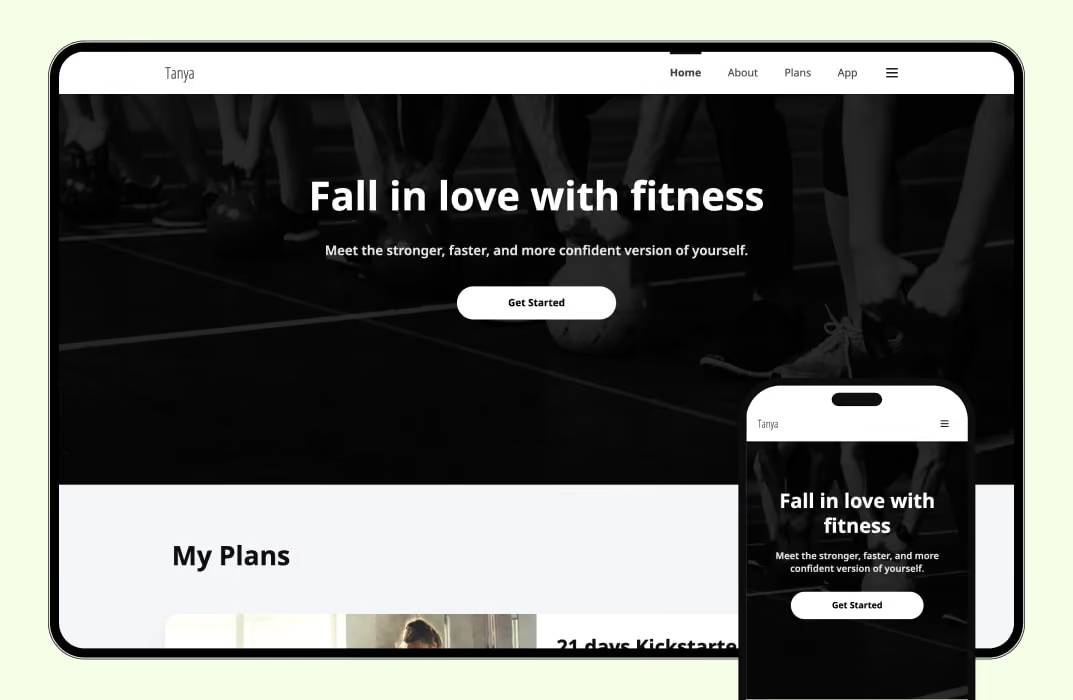
Your website serves as the online headquarters of your club. A professional site should:
- Highlight your certifications (certified personal, fitness instructor, personal fitness coach near me)
- Detailed services like weight loss personal training programs, strength training, or online fitness coaching for beginners
- Include a blog with tips on exercise, nutrition, injury prevention, and healthy lifestyle habits.
- Make it easy to book a session, contact you, or sign up for a newsletter.
Don't forget to display client progress, including before-and-after images and testimonials, to showcase your work. Add location keywords like:
- Fitness trainer near me
- Physical trainer near me
- Professional trainer near me
5. Create and Promote a Signature Fitness Program
Create a branded training program that addresses a specific problem, such as weight loss, muscle building, or training older adults.
Examples:
- "Lean in 30" for busy professionals
- "Fit Over 50" for older adults
- "Wedding Shred" for brides-to-be
- "Strong Start" online fitness coaching for beginners
Make it results-driven, and back it with your credentials in exercise science and fitness coaching. Promote the program across:
- Instagram and Facebook Ads
- Your website
- Fitness forums or sports clubs
- Local health clubs
Include testimonials, sample workouts, and transformation stories. When people see real results, they'll be more likely to hire you.
{{gym-name-generator-form="/blog-gym-name-generator"}}
6. Leverage Client Referrals and Testimonials
Word-of-mouth is powerful. Ask your happiest clients to:
- Write a Google review
- Post a testimonial video
- Refer friends or family for a discount
People trust recommendations, especially when looking for a personal fitness trainer near me.
Create a simple referral system:
- "Bring a friend and both get 20% off your next session."
- "Refer three clients and get a free month of training."
You can even offer special group training deals, allowing individuals to train together in a fun and social group setting.
7. Start a Weekly Fitness Newsletter or Email Campaign
Email marketing is still one of the most effective ways to stay connected. A weekly or bi-weekly email can include:
- New training tips
- Upcoming classes
- Client success stories
- Nutrition advice
- Free downloads or guides
Make it personal, supportive, and aligned with their fitness goals. You can segment your list by interest—some might be more interested in weightlifting, while others are into cardio or resistance training.
Always include a call-to-action like:
- Book a trial
- Join your new strength training class
- Sign up for your virtual personal trainer services
8. Host Free Fitness Events or Workshops
Organize free classes, webinars, or in-person sessions at your gym, health club, or local park.
Event ideas:
- "Intro to Resistance Training" for beginners
- "Nutrition 101" workshop
- "Outdoor Bootcamp" community workout
- "Mobility and Recovery for Older Adults"
You can also partner with local sports clubs, nutritionists, or fitness instructors to expand your reach.
These events provide high visibility and showcase your instruction, support, and overall program quality.
9. Promote Your Certifications and Education
As a certified personal trainer, your qualifications build trust and establish credibility in a crowded fitness market. Clients want to know they're working with a knowledgeable, experienced professional—someone who can guide them safely and effectively through their fitness journey. That's why it's essential to prominently display your certifications and educational background.
- Your website
- Business cards
- Social media profiles
- Your email signature and newsletters
Include respected credentials such as:
- NASM Certified Personal Trainer
- ACE Certified Personal Trainer
- Degrees or diplomas in exercise science, kinesiology, or sports medicine
- CPR/AED training and first aid certification
If you offer specialized fitness coaching programs—such as weight loss personal training, resistance training for beginners, or strength training for older adults—be sure to clearly state this. Use location-based keywords where appropriate, like:
- Strength training coach near me
- Fitness trainer near me
- Personal fitness coach near me
- Physical trainer near me
You can also mention any additional credentials related to nutrition coaching, mobility training, or group class instruction, as these show your ability to meet a wide range of specific fitness goals and client needs.
Remind potential clients that hiring a certified personal trainer ensures safe, structured, and effective workouts that are tailored to their unique fitness level, goals, and lifestyle. It's not just about exercise—it's about quality, results, and ongoing support from a knowledgeable fitness professional.
10. List Your Business on Popular Fitness Directories and Apps
Don't just wait for people to search "personal trainer near me"—be proactive and show up where they're already looking for help with their fitness goals. Many potential clients search directories and fitness apps before ever reaching your website. That's why it's essential to list your personal training services on high-traffic platforms like:
- Google Business Profile
- Yelp
- ClassPass
- Thumbtack
- Mindbody
- Local club boards or health club directories
When creating your listings, be sure to include:
- A clear, keyword-rich description of your services (e.g., virtual personal trainer services, weight loss personal training programs, or online fitness coaching for beginners)
- Your pricing structure (personal trainer cost)
- Available hours (24-hour fitness personal trainer if relevant)
- Certifications such as an ACE-certified personal trainer or a NASM-certified
- High-quality photos and videos showcasing your studio, client transformations, and small group training sessions
Use specific location-based terms, such as "gym trainer near me," "fitness instructor near me," or "professional trainer near me," to improve local search relevance.
Being listed across multiple platforms significantly increases your visibility and credibility. It helps position you as a go-to personal fitness trainer in my area. It connects you with leads who are already interested in hiring a certified personal trainer to help them achieve their fitness goals, such as getting in shape, losing weight, or building muscle.
This is a low-effort, high-impact strategy that can make all the difference in growing your client base, especially when combined with reviews and regular updates on your listings.
Final Thoughts
Where to Start With Personal Trainer Marketing
Pick three of these 10 and do them for 90 days before adding a fourth. For most trainers the right three are a Google Business Profile with reviews, a referral offer for existing clients, and one social platform posted to four times a week. That combination costs nothing and is enough to fill a part-time roster in most markets.
Marketing for fitness instructors and online coaches follows the same rule, with one difference: online coaches should swap local SEO for a signature program (strategy 5) aimed at a specific niche, since "near me" does not apply when your clients are everywhere.
Once leads start coming in, the next bottleneck is usually delivery: onboarding, payments and check-ins eating the hours you freed up for marketing. Coaches who run their business through their own branded app can automate most of that, which keeps the marketing time from disappearing into admin.


Meet the author
Aishwarya
Frequently Asked Questions

Yangzey Sherpa leads content strategy at FitBudd, overseeing content planning and execution across fitness-focused digital channels. With over five years of experience in SEO and content, she works closely with the fitness industry to ensure content aligns with the needs of coaches, trainers, and gym owners. Her role keeps her deeply connected to fitness business workflows, coaching models, and how professionals use digital platforms to grow.


Apra Pathak has worked closely within the fitness niche for several years, supporting personal trainers and fitness coaches through content and digital marketing initiatives. Her experience centers on understanding how fitness professionals build visibility, communicate value, and engage clients online. Through sustained involvement with fitness-focused platforms and audiences, she has developed a strong understanding of the digital needs and growth challenges faced by modern fitness businesses.

Aishwarya Mehra has been actively involved in fitness-focused digital marketing, working closely with brands and platforms that serve coaches, trainers, and fitness businesses. Her experience spans engagement-driven strategies designed specifically for fitness audiences. Through ongoing exposure to fitness campaigns and communities, she remains closely aligned with how fitness professionals attract, convert, and retain clients in digital environments.

Suchandra Das has contributed content within the fitness niche, working on resources designed for coaches, trainers, and fitness business owners. Her experience involves supporting fitness-related topics with clear, structured, and accessible content. Through consistent involvement with fitness-focused platforms, she has developed familiarity with coaching workflows, client communication, and the informational needs of fitness professionals.
FitBudd is a fitness technology platform built exclusively for coaches, personal trainers, gym owners, and fitness professionals. The platform supports fitness businesses through branded apps, white-labeled solutions, and websites designed around real coaching and training workflows. FitBudd works closely with the global fitness community, maintaining deep, ongoing involvement in the fitness industry.

Ankit Uniyal has worked extensively with fitness-focused content, supporting platforms that cater to personal trainers, gym owners, and fitness professionals. His experience includes optimizing and structuring content around fitness-related search behavior and user intent. Through continued involvement in the fitness niche, he has gained a strong understanding of how trainers and coaches build discoverability and authority online.

Saumya Mittal is the Co-Founder and CEO of FitBudd. Since 2021, she has been actively engaged in the fitness technology sector, collaborating with global fitness companies to foster digital growth and scalable operations. With over a decade of experience leading high-impact projects in engineering and operations, Saumya has a strong background in developing reliable and scalable systems. Through FitBudd, she is dedicated to addressing the evolving needs of fitness professionals worldwide.

Kinshuk Snehi has been closely involved in the fitness space for over four years. Through his work at FitBudd, he has contributed to shaping how fitness professionals build their online presence, attract clients, and scale sustainable coaching businesses. Deeply interested in the intersection of fitness, technology, and growth, Kinshuk brings a hands-on understanding of the challenges faced by modern trainers. His passion lies in building systems and strategies that support long-term consistency, both in fitness journeys and business growth.

Kanika Verma has been closely involved in building solutions for the fitness industry, working with platforms used by coaches and trainers globally. Her experience includes direct exposure to fitness coaching workflows and operational needs. Through sustained involvement in fitness-focused product development, she has developed a strong understanding of how fitness professionals manage clients, programs, and daily operations.

Tanya Sharma has worked on branding initiatives within the fitness niche, supporting fitness platforms and businesses with visual identity design. Her experience includes creating brand systems used by coaches, trainers, and fitness-focused products. Through ongoing involvement in fitness-related design projects, she remains closely connected to how fitness brands communicate trust and professionalism.

Niharika Sonavane has contributed to visual design projects within the fitness industry, supporting platforms and brands serving fitness professionals. Her experience spans creating digital assets used across fitness apps, websites, and marketing materials. Through continued work in the fitness niche, she remains closely aligned with the visual communication needs of coaches and fitness businesses.

Elesh Patel has worked extensively on marketing initiatives within the fitness niche, managing paid campaigns for fitness-focused products and services. His experience includes supporting platforms that target personal trainers, gym owners, and fitness creators. Through long-term involvement in fitness marketing, he remains closely connected to how fitness professionals discover and adopt digital tools.