
Are You Earning Up to Your Potential?
Most personal trainers are undervaluing their time and skills. Our Personal trainer Revenue Calculator helps you find out what you should be making, and how to get there.
No guesswork. Just real numbers.
.webp)
The fitness industry is growing rapidly, and more personal trainers and coaches are starting their own fitness businesses than ever before. While passion for fitness is important, it takes more than just knowledge of exercise to build a successful fitness business. The key to long-term success is adopting a client-first fitness business model—one that puts clients' fitness goals and needs at the center of everything.
This means understanding your potential clients, offering valuable fitness services, addressing pain points, and ensuring that every part of your business is designed to help clients succeed. A client-first business model helps you attract more new clients, retain your ideal clients, and grow a profitable and sustainable fitness coaching business.
In this guide, we will cover practical fitness business strategies that help you scale your coaching business, build strong relationships with clients, and ensure long-term success in the fitness industry.
Why a Client-First Fitness Business Model Matters
Many personal trainers and fitness coaches focus too much on their own expertise and forget to ask what clients actually want. While having the right skills and knowledge is essential, the real key to a successful personal training business is delivering results in a way that meets the client's specific needs.
When your business is designed to directly address the needs of your ideal clients, you create an experience that makes them feel valued and supported. This leads to:
- More word-of-mouth referrals from happy clients.
- Higher client retention, leading to consistent income.
- Stronger brand reputation in the fitness industry.
- More long-term success as your business grows.
By focusing on your clients’ pain points and providing fitness services that help them achieve their fitness goals, you can build a personal training business model that stands out from the competition.
1. Define Your Ideal Client and Their Pain Points
One of the biggest mistakes personal trainers make is trying to train everyone. While it might seem like a good idea to attract as many clients as possible, this approach can actually make it harder to build a strong fitness business.
To create a client-first fitness business model, you need to define your ideal client. This means identifying:
- Their fitness goals (e.g., weight loss, muscle gain, general health).
- Their pain points (e.g., lack of motivation, no time to exercise, confusion about nutrition).
- Their lifestyle and schedule (e.g., busy professionals, stay-at-home parents, athletes).
By understanding your target audience, you can create services and marketing messages that directly address their needs.
Example:
If your ideal client is a busy professional who struggles with staying consistent, you can offer small group training sessions in the morning before work or provide virtual personal training for added convenience.
2. Offer Value-Driven Fitness Services That Solve Problems

Once you’ve identified your ideal clients, the next step is to offer fitness services that solve their problems. Instead of simply offering generic personal training, focus on creating programs that deliver value and help clients stay consistent.
Key Factors of a Value-Driven Service:
- Personalization: Each client should feel like the program was designed specifically for them.
- Convenience: Make it easy for clients to access your coaching, whether in-person, online, or hybrid.
- Accountability: Help clients stay on track with check-ins, progress tracking, and motivation.
- Education: Teach clients how to make lasting changes in their fitness and general health.
Examples of Value-Driven Services:
- Customized Weight Loss Programs: For clients looking to lose weight, offer structured meal and exercise plans.
- Hybrid Coaching (Online & In-Person): Give clients flexibility to train with you wherever they are.
- Small Group Training: A great way to offer affordable training while maintaining a strong community feel.
- Cross-Promotion with Complementary Businesses: Partner with yoga studios, nutritionists, and physical therapists to create complete wellness packages.
3. Create High-Quality Content to Attract Potential Clients
A strong fitness business is not just about training clients—it's also about marketing. In today’s digital world, clients often find personal trainers by searching for solutions to their problems online. If you want to attract new clients, you need to create content that answers their questions and establishes you as an expert.
Effective Content Strategies:
- Write blogs about common fitness questions (e.g., "Best Workouts for Weight Loss" or "How to Stay Consistent with Exercise").
- Post fitness tips and client success stories on social media.
- Create free resources like workout guides or meal plans to offer value before clients even sign up.
- Record short workout videos to show your expertise and attract a larger audience.
By consistently creating valuable content, you can position yourself as a trusted expert and increase your chances of attracting new clients.
💪 Got an idea for a brand? Let's bring it to life.
Launch your own fitness app with FitBudd in minutes!

💪 Got your brand name? Let’s bring it to life.
Launch your own fitness app with FitBudd in minutes!



88% trainers worldwide gave us 5 stars
Transform your fitness business with the power of your branded app on iOS and Android.
Try for FREE4. Implement Cross-Promotion and Strategic Partnerships
Another effective way to grow your fitness business is by partnering with complementary businesses. Instead of marketing on your own, work with other health and wellness professionals to reach a wider audience.
Examples of Strategic Partnerships:
- Personal trainers partnering with yoga instructors to offer strength and flexibility programs.
- Fitness coaches working with nutritionists to provide complete health solutions.
- Gyms collaborating with massage therapists for recovery services.
These partnerships create win-win situations where both businesses benefit from increased visibility and more clients.
5. Focus on Client Retention for Long-Term Success
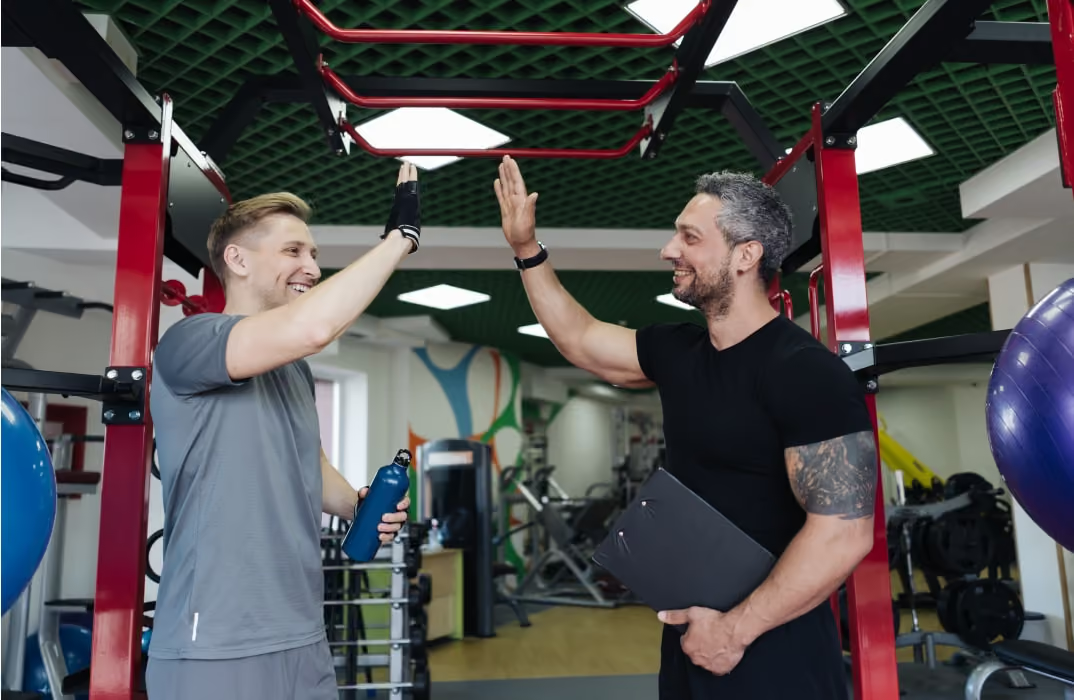
Attracting new clients is important, but keeping them is even more valuable. Client retention is what separates successful fitness businesses from those that struggle.
How to Retain Clients:
- Offer ongoing support: Follow up with clients even after they’ve finished their initial program.
- Build a community: Create small training groups, host events, or start an online group for accountability.
- Reward loyalty: Offer referral discounts, progress rewards, or special VIP programs.
- Regularly check in: Ask clients about their progress and challenges, and adjust their program accordingly.
Clients who feel supported and see real results are more likely to stay, refer friends, and help your fitness business grow.
Also read: Increase Your Fitness Studio’s Member Retention with FitBudd
6. Use Technology and Tools to Streamline Your Business
As your personal training business grows, it’s important to use tools that help manage your clients and business operations efficiently.
Essential Tools for Fitness Coaches:
- Scheduling software to automate bookings.
- Client management apps for tracking progress.
- Automated email marketing to stay in touch with clients.
- Virtual coaching platforms for online training.
Using the right technology allows you to spend less time on administrative tasks and more time helping clients achieve their fitness goals.
7. Develop a Strong Personal Brand
Your personal trainer business model is not just about training—it’s about building a brand that stands out.
How to Build Your Fitness Brand:
- Develop a unique coaching style.
- Maintain a consistent social media presence.
- Offer free fitness tips to build credibility.
- Use client testimonials to build trust.
Your brand identity helps potential clients decide whether they want to work with you.
8. Offer a Free Trial or Consultation
A great way to gain new clients is by offering a free trial or consultation. This gives potential clients a chance to experience your coaching before committing.
Examples of Free Offers:
- One free personal training session.
- A free 7-day fitness challenge.
- A free consultation call to discuss fitness goals.
This helps build trust and increases the likelihood of client conversion.
9. Stay Consistent with Marketing and Outreach
Many personal trainers struggle with marketing because they are inconsistent. To ensure fitness business growth, you need a consistent outreach strategy.
Marketing Methods for Fitness Coaches:
- Weekly social media posts showcasing workouts and client progress.
- Monthly newsletters with fitness tips and client success stories.
- Running paid ads targeting your ideal clients.
Consistency in marketing helps you attract new clients and keep your brand top of mind.
Also read: How to Market Your Gym: 10 Best Ideas to Grow Membership and Increase Revenue
10. Keep Improving Your Coaching Methods and Expertise
The fitness industry trends are constantly evolving. If you want to remain competitive, you must keep learning and improving.
Ways to Improve Your Expertise:
- Get new fitness certifications (e.g., strength training, nutrition).
- Attend fitness industry events and workshops.
- Keep up with scientific research on training methods.
When you continuously improve, your clients will see better results, leading to higher retention and referrals.
Final Thoughts: Build a Fitness Business That Puts Clients First
Building a client-first fitness business model is the key to long-term success in the fitness industry. By defining your ideal client, offering valuable fitness services, using marketing strategies like content creation, and focusing on retention, you can create a successful personal training business.
When you consistently deliver results, build strong relationships, and stay focused on your clients' fitness goals, your business will naturally grow through word-of-mouth referrals, strong branding, and client loyalty.
If you're ready to take your fitness coaching business to the next level, start implementing these strategies today. The success of your business depends on how well you train, engage, and support your clients—because when they succeed, so do you.



Meet the author
Aishwarya Mehra
With a passion for digital strategy and a keen eye for engagement, Aishwarya Mehra is your partner in turning clicks into clients and likes into loyal followers.
Frequently Asked Questions

Yangzey Sherpa leads content strategy at FitBudd, overseeing content planning and execution across fitness-focused digital channels. With over five years of experience in SEO and content, she works closely with the fitness industry to ensure content aligns with the needs of coaches, trainers, and gym owners. Her role keeps her deeply connected to fitness business workflows, coaching models, and how professionals use digital platforms to grow.


Apra Pathak has worked closely within the fitness niche for several years, supporting personal trainers and fitness coaches through content and digital marketing initiatives. Her experience centers on understanding how fitness professionals build visibility, communicate value, and engage clients online. Through sustained involvement with fitness-focused platforms and audiences, she has developed a strong understanding of the digital needs and growth challenges faced by modern fitness businesses.

Aishwarya Mehra has been actively involved in fitness-focused digital marketing, working closely with brands and platforms that serve coaches, trainers, and fitness businesses. Her experience spans engagement-driven strategies designed specifically for fitness audiences. Through ongoing exposure to fitness campaigns and communities, she remains closely aligned with how fitness professionals attract, convert, and retain clients in digital environments.

Suchandra Das has contributed content within the fitness niche, working on resources designed for coaches, trainers, and fitness business owners. Her experience involves supporting fitness-related topics with clear, structured, and accessible content. Through consistent involvement with fitness-focused platforms, she has developed familiarity with coaching workflows, client communication, and the informational needs of fitness professionals.
FitBudd is a fitness technology platform built exclusively for coaches, personal trainers, gym owners, and fitness professionals. The platform supports fitness businesses through branded apps, white-labeled solutions, and websites designed around real coaching and training workflows. FitBudd works closely with the global fitness community, maintaining deep, ongoing involvement in the fitness industry.

Ankit Uniyal has worked extensively with fitness-focused content, supporting platforms that cater to personal trainers, gym owners, and fitness professionals. His experience includes optimizing and structuring content around fitness-related search behavior and user intent. Through continued involvement in the fitness niche, he has gained a strong understanding of how trainers and coaches build discoverability and authority online.

Saumya Mittal is the Co-Founder and CEO of FitBudd. Since 2021, she has been actively engaged in the fitness technology sector, collaborating with global fitness companies to foster digital growth and scalable operations. With over a decade of experience leading high-impact projects in engineering and operations, Saumya has a strong background in developing reliable and scalable systems. Through FitBudd, she is dedicated to addressing the evolving needs of fitness professionals worldwide.

Kinshuk Snehi has been closely involved in the fitness space for over four years. Through his work at FitBudd, he has contributed to shaping how fitness professionals build their online presence, attract clients, and scale sustainable coaching businesses. Deeply interested in the intersection of fitness, technology, and growth, Kinshuk brings a hands-on understanding of the challenges faced by modern trainers. His passion lies in building systems and strategies that support long-term consistency, both in fitness journeys and business growth.

Kanika Verma has been closely involved in building solutions for the fitness industry, working with platforms used by coaches and trainers globally. Her experience includes direct exposure to fitness coaching workflows and operational needs. Through sustained involvement in fitness-focused product development, she has developed a strong understanding of how fitness professionals manage clients, programs, and daily operations.

Tanya Sharma has worked on branding initiatives within the fitness niche, supporting fitness platforms and businesses with visual identity design. Her experience includes creating brand systems used by coaches, trainers, and fitness-focused products. Through ongoing involvement in fitness-related design projects, she remains closely connected to how fitness brands communicate trust and professionalism.

Niharika Sonavane has contributed to visual design projects within the fitness industry, supporting platforms and brands serving fitness professionals. Her experience spans creating digital assets used across fitness apps, websites, and marketing materials. Through continued work in the fitness niche, she remains closely aligned with the visual communication needs of coaches and fitness businesses.

Elesh Patel has worked extensively on marketing initiatives within the fitness niche, managing paid campaigns for fitness-focused products and services. His experience includes supporting platforms that target personal trainers, gym owners, and fitness creators. Through long-term involvement in fitness marketing, he remains closely connected to how fitness professionals discover and adopt digital tools.
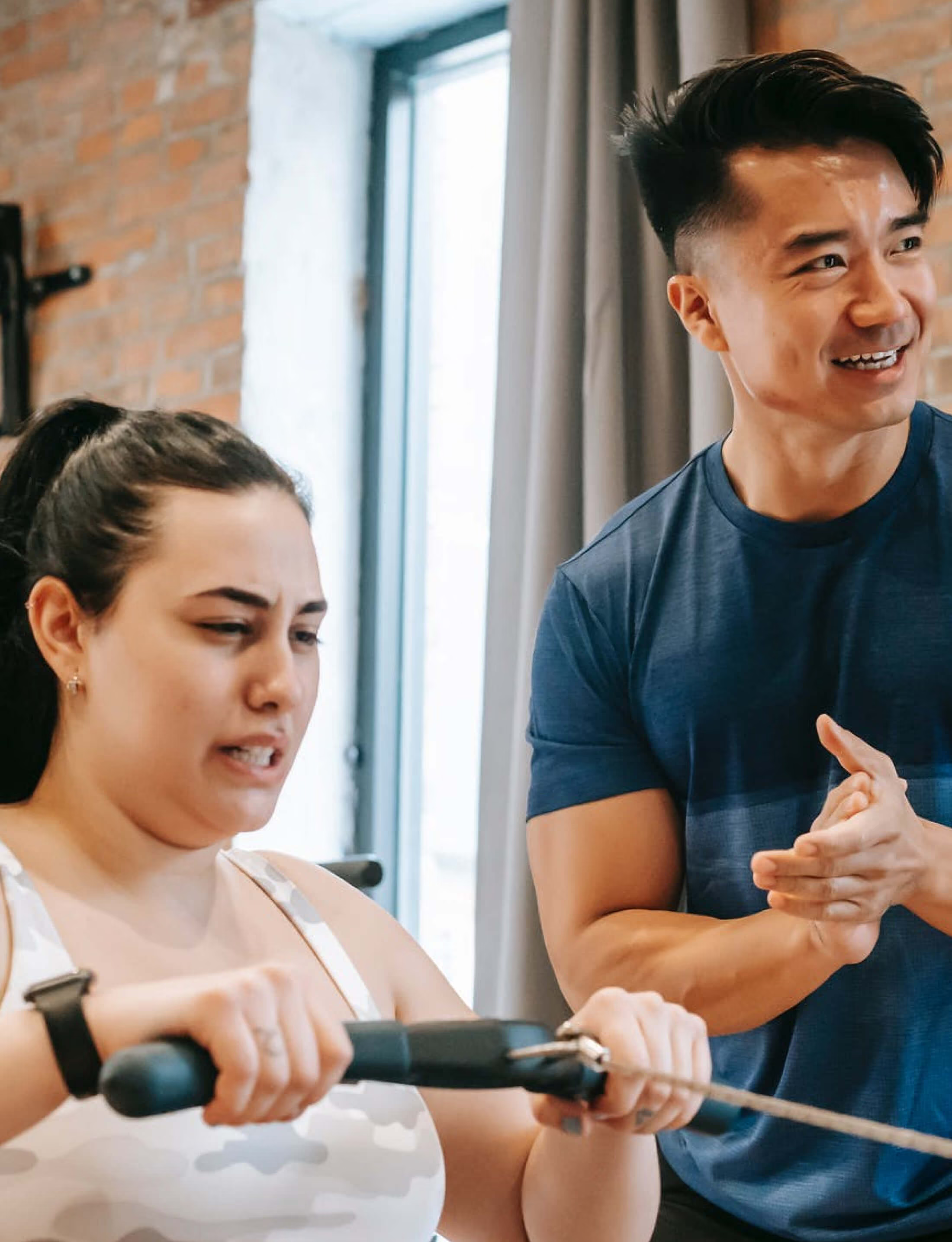


Ultimate Marketing Guide for Fitness Trainers
Boost your business growth with these tried and tested marketing strategies. Free for you to download.
Download Now
Templates
These functional templates have the power to make any fitness trainer's life easier.
Subscribe To
Our Blog
.avif)