Are You Earning Up to Your Potential?
Most personal trainers are undervaluing their time and skills. Our Personal trainer Revenue Calculator helps you find out what you should be making, and how to get there.
No guesswork. Just real numbers.
.webp)
Visiting a gym for the first time can be terrifying and highly intimidating. You might find yourself thinking:
Why are there so many machines? How should I use them? Can I work out with these pieces of equipment?
Rows of machines you don’t know how to use. People lifting weights with ease. That creeping fear that you don’t belong. Sound familiar?You're not alone, and you’re exactly who this gym guide for beginners is for. And it will help you take on your gym-going journey with clarity and confidence, no matter what your goal is.
From how to warm up properly, to choosing your first beginner gym workout, to understanding gym etiquette and how to train your major muscle groups safely, we’ll walk you through it all.
You’ll also learn how to create a realistic workout routine, ease gym anxiety, and make strength training a key part of your fitness journey, no matter your starting point.
Let’s get you comfortable, confident, and consistent in the gym.
What to Expect on Your First Gym Session
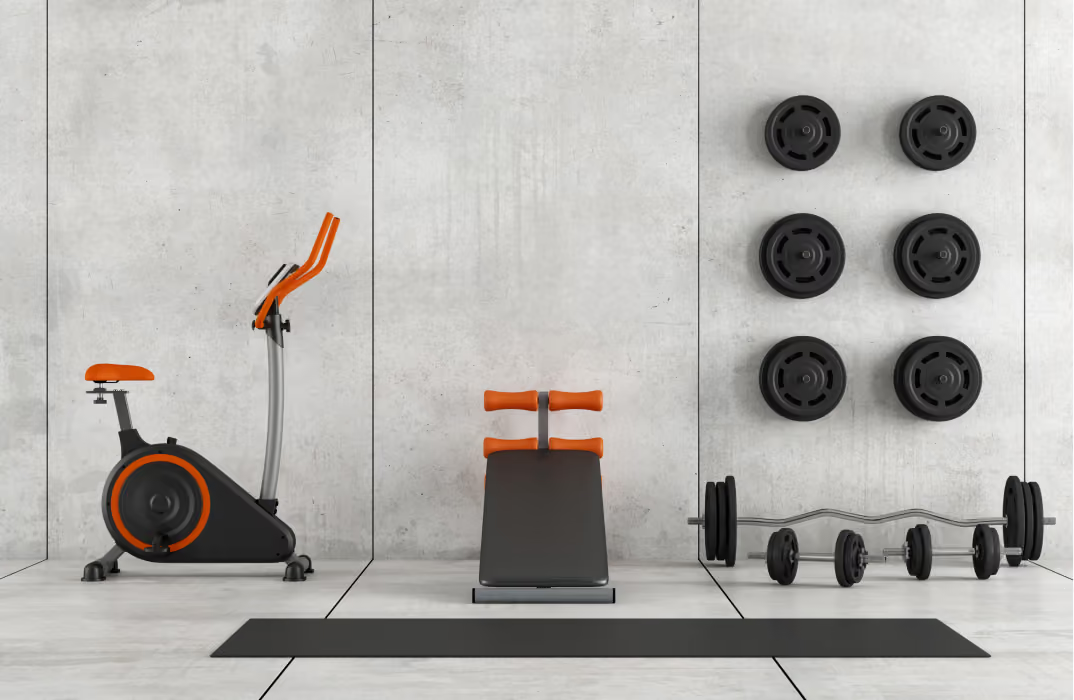
So you’ve signed up, packed your bag, and are ready to go, but what actually happens during that first gym visit?
Here’s a gym guide for beginners to help you walk in with confidence and walk out feeling proud.
Your First-Time Fears Are Normal
Many people worry they'll be judged for not knowing how to use equipment or not being “fit enough” to be there. But here's the truth: most gym-goers are focused on their own fitness goals, exercise routines, or simply getting through their cardio workouts, not on you.
In fact, confidence in the gym isn’t something you're supposed to have on day one. It's something you build with each rep, each set, and each session. Showing up is the hardest and most powerful step.
20 Seconds of Courage: Just Walk In
It only takes a small burst of courage to change everything. If you can give yourself just 20 seconds of courage to walk into the gym, scan your ID, and take that first step toward your workout. You’ve already won.
That simple act of showing up sets a new tone for your life. You don’t need to lift heavy weights, master the bench press, or jump into high-intensity interval training on day one. Your focus is simply to begin.
Starting small, showing up consistently, and learning the basics will build momentum that turns into a habit and eventually, confidence.
What Happens During a Gym Induction?
If your gym offers an induction, take it. It’s one of the easiest ways to reduce overwhelm.
A gym induction is usually a short walk-through with a trainer or staff member who’ll explain how to use machines, where the locker rooms are, and what safety protocols to follow. They might also ask about your fitness goals, suggest beginner-friendly equipment, or introduce you to a personal trainer.
This is the perfect time to get clarity on things like:
- How to adjust resistance machines for upper body and lower body training
- What equipment supports muscular endurance, strength, vs weight loss
- Where to find lighter dumbbells or mats for warm-ups and stretching
- How to structure a gym workout plan if you're new to the space
If your goal is to lose weight, gain strength, or improve energy levels, don’t be afraid to share that with the team during your induction. They’ll help you choose the best starting points and ensure your experience is safe and motivating.
Beginner Gym Workout Plan: A Weekly Guide
So you're ready to stop just going to the gym and start seeing results, but how often should you actually work out, and what should each gym session look like?
However, before you begin your gym journey, here are some of the fundamental questions you must answer:
- If you've any cardiac conditions
- Medical disorders that persist, such as diabetes
- Any effective procedures you underwent in the previous year?
- Whether your doctor instructed you to refrain from exercising
💪 Got an idea for a brand? Let's bring it to life.
Launch your own fitness app with FitBudd in minutes!
💪 Got your brand name? Let’s bring it to life.
Launch your own fitness app with FitBudd in minutes!



88% trainers worldwide gave us 5 stars
Transform your fitness business with the power of your branded app on iOS and Android.
Try for FREEHow Often Should You Work Out as a Beginner?
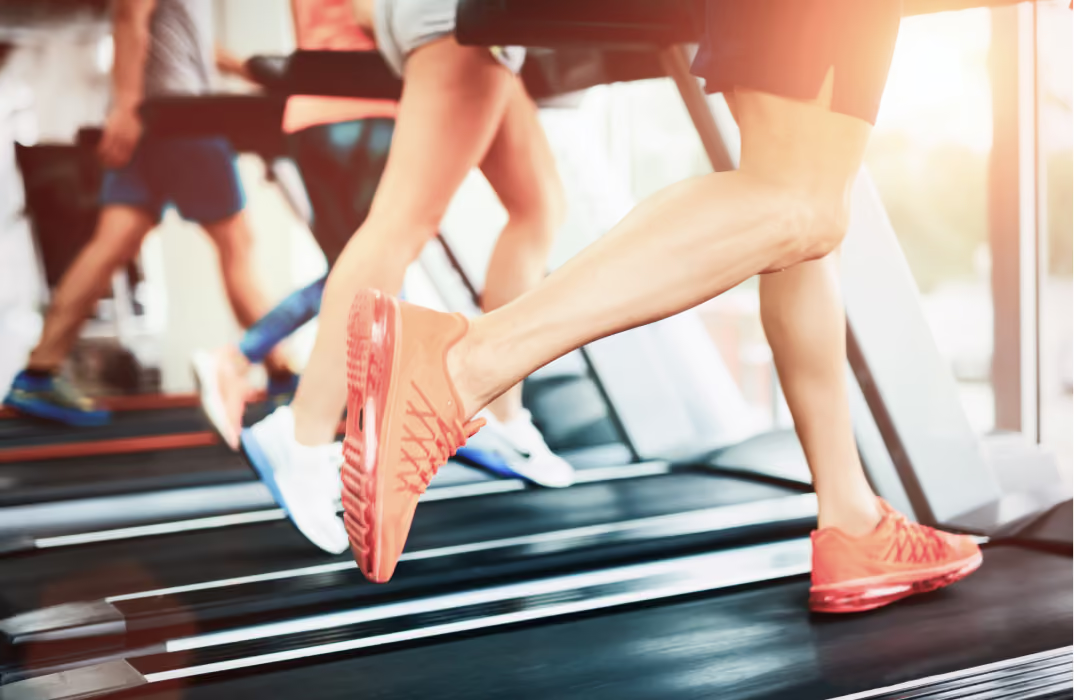
If you're new to fitness, 2-4 gym sessions per week is a realistic and sustainable starting point.
Be sure to include rest days in between to allow your body to recover, especially if your goal is to gain muscle, improve muscular endurance, or just build a consistent exercise routine.
Sample Full Body Weekly Gym Plan
If you’re worried about not having a plan for your first gym visit, here’s a sample workout plan that you can use weekly. And the good news is this can be used by people with all types of fitness goals–weight loss, build strength, or simply move more.
This is more of a beginner gym workout plan that will help you train all major muscle groups while improving cardio and flexibility.
1. Warm-Up (5-10 mins)
- Light cardio workouts: treadmill, cycling, or elliptical
- Dynamic stretches to prepare your joints and muscles
2. Strength Training (2–3 sets per exercise, 8–12 reps)
Focus on full-body movements to build foundational strength. Start with body weight or light weights, and focus on proper form before increasing intensity.
- Goblet Squats - targets lower body
- Pushups - upper body & core
- Seated Rows or Resistance Band Rows - back and arms
- Machine Chest Press or Dumbbell Bench Press - chest and triceps
3. Cardio (10–20 mins)
Choose your pace: steady-state or high-intensity interval training (HIIT) if you're ready for a challenge.
- Treadmill walking or jogging
- Stationary bike
- Elliptical trainer
4. Flexibility & Cool-Down (5–10 mins)
- Static stretching (hamstrings, quads, shoulders, back)
- Deep breathing to reset your nervous system
Tip: Circuit training is a great starting style for beginners. It combines strength and cardio in a time-efficient format, and keeps your heart rate up throughout your gym workout.
Stick with your gym plan, listen to your body, and focus on consistency. Results come with time and commitment.
Understanding the Gym Equipment: An Insight
After the initial warm-up comes the next segment, wherein you start the actual training. But how do you get started? We can help if you're unsure where to begin at the gym.
Good workouts are never spontaneous but thoroughly planned out. Those who transition seamlessly from the treadmill to the tricep press adhere to a program that maximizes each session's effectiveness.
So, what is the key to designing an effective exercise for you? Various gym exercises for beginners involve being aware of what each piece of fitness equipment does and how it might assist you in achieving your goals.
Here's a quick overview of different gym equipment:
Treadmill
A machine that simulates jogging and can give you an excellent cardio workout. You can change the incline and pace depending on your chosen activity.
Examiner for elliptical cross
A dual-action exercise that simultaneously trains your upper and lower body. It gives you a low-impact technique to work out your triceps, biceps, chest, back, and hamstrings.
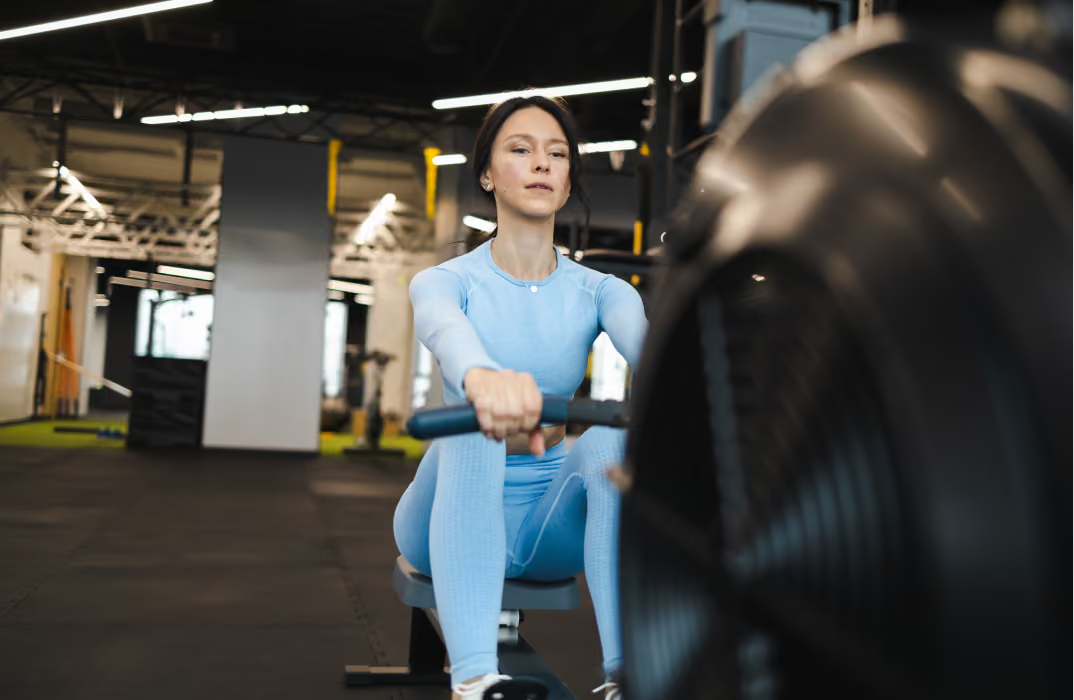
Machine for rowing
Replaces the water and oars with a handle and a chain to mimic the movements of a rower's body. It's an all-around workout that focuses on your core and burns fat.
Workout cycle
A sitting cardio machine that strengthens your entire leg and increases the resistance to strengthen your legs.
Stepper
Similar to a treadmill but with stairs! It is one of the basic gym workouts for beginners that are gentle on your joints while working every leg muscle.
Also read: Calisthenics: The New Fitness Trend and Its Benefits.
Beginner Strength Training: Start Smart and Safe
Strength training is one of the most effective ways to gain muscle, boost metabolism, and build long-term confidence. But as a beginner, it’s important to focus on proper form, lighter weights, and smart progressions, not just pushing for heavy lifts from day one.
Sets, Reps, and Rest Explained
When you’re starting out, the sweet spot is:
- 2–3 sets of each exercise
- 10–15 reps per set
- Rest periods of 30 seconds to 2 minutes between sets (shorter for endurance, longer for strength)
Don’t worry about how much weight to lift right away. Begin with a light load and increase gradually as your form improves and your body adapts.
How to Use Free Weights Safely
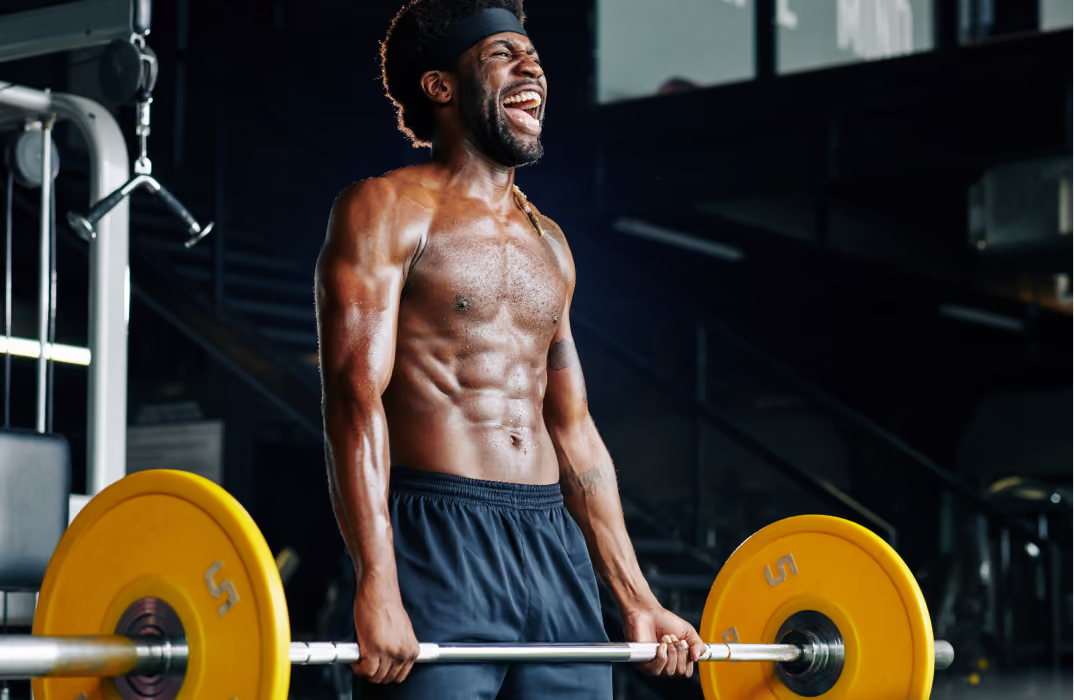
Free weights like dumbbells and barbells are excellent for building core strength and coordination, but they require more control than machines.
Here’s how to stay safe when using free weights:
- Start light. Use just your body weight or light dumbbells until you master the starting position and full range of motion.
- Ask for guidance. Don’t hesitate to approach a personal trainer or staff member during your gym session.
- Keep your feet flat, engage your core, and always move with control, especially during the last few reps when fatigue sets in.
Must-Know Beginner Moves
These foundational strength exercises are perfect for your beginner gym workout plan, whether you're using machines or free weights:
- Goblet Squat: Builds lower body strength while teaching good squat mechanics.
- Dumbbell Shoulder Press: A great upper body move to strengthen your shoulders and arms.
- Lat Pulldown (Machine): Strengthens your back and improves posture.
- Seated Row (Machine or Cable): Targets the upper back and biceps with support for your lower spine.
Want a great beginner tip? Use machines to learn movement patterns, then gradually move to free weights for more challenge and versatility.
Warm-Ups, Cool-Downs & Recovery: Don’t Skip These
Getting fit on top of what you do during a workout is also about how you prepare and recover. Skipping these essentials can lead to soreness, plateaus, or worse, injuries.
Warm-Up = Injury Prevention + Mental Prep
A proper warm-up gets your blood flowing, boosts joint mobility, and helps you mentally lock in for your gym session. It reduces your risk of injury and ensures you’re ready to move with control and confidence.
Here’s a quick warm-up formula:
- 5–10 minutes of light cardio (treadmill, cross trainer, or jump rope)
- Dynamic stretches like leg swings, arm circles, and bodyweight squats
Warming up before lifting more weight or doing complex exercises (like pull-ups or barbell work) is especially important.
Stretching Post-Workout Helps Recovery
Once your session is done, take 5 minutes for static stretches. This helps your muscles return to resting length, improves flexibility, and can reduce soreness before your next workout.
Target major muscle groups you worked that day, hamstrings, quads, chest, and back with slow, deep breathing to relax into each stretch.
Rest Days Help Muscles Rebuild
You don’t get stronger during the workout; you get stronger after. That’s why rest days are just as important as training days.
Aim to take at least one full rest day between strength sessions. Use that gym time to walk, stretch, or focus on mobility to stay active. Skipping recovery can hold you back from lifting more weight or improving performance in your other workouts.
Pro tip: If you’re feeling worn out, sore, or struggling with form, it’s a sign your body needs more rest, not more reps.
Gym Etiquette Tips Every Beginner Should Know
Every gym has unspoken rules that keep the space respectful, safe, and welcoming for everyone, especially when it's busy. Whether you’re doing a whole body workout or just testing your strength with just the bar, these tips will help you blend in like a pro.
1. Wipe Down Equipment After Use
No one wants to sit in someone else’s sweat. Always use the provided towels or wipes after using benches, machines, or mats.
2. Don’t Hog the Machines
If you’re doing resistance training or working through a balanced routine, be mindful of others. Avoid long breaks between sets when machines are in high demand. And if someone asks, be open to working in between sets.
3. Re-Rack Your Free Weights
Leaving dumbbells on the floor or free weights on the bar isn't just messy, it’s unsafe. Always return them to the correct spot, especially after a lift involving your entire body, like a flat bench press or leg day with the leg press.
4. Ask Before You Jump In
If someone is mid-set or about to lift, don’t interrupt. If you’re unsure whether a machine is in use, ask politely. Avoid jumping into a set on equipment someone else might be using.
5. Know Your Limits
Trying to lift heavy too soon or using a machine incorrectly can be dangerous. Focus on form, not ego. If you're not sure how to use a machine, ask a trainer or staff member for a quick demo.
Confidence Boosters for Your Gym Journey
It’s normal to feel unsure when you're just starting out. But with a few small mindset shifts and smart strategies, you’ll walk into your gym sessions with purpose and leave feeling proud. Here’s how to build confidence one workout plan at a time.
You’re Not Being Watched. Everyone’s Focused on Themselves
It may feel like everyone’s eyes are on you, especially when you're trying a new machine like the leg press or doing your first bicep curl. Truth is? Most people are focused on their own starting position and form. You're doing great, just keep going.
Personal Trainers & Classes Can Ease the Fear
Unsure how to set your feet flat on a machine or adjust the cross trainer? Booking a session with a personal trainer or trying a beginner class can give you that early confidence boost and help you avoid mistakes.
Go With a Buddy to Stay Accountable
Going with a friend makes the gym less intimidating and more fun. You’ll encourage each other, keep each other on track, and maybe even push through that extra set together.
Planning Your Workout Builds Confidence
Having a workout plan takes the guesswork out of gym time. Whether it’s 2 or 4 sessions per week, knowing exactly what you’re doing each day will help you walk in with confidence and stay consistent.
Gradually Increase Intensity and Track Progress
Start light and build over time. It could be one more rep on the leg press, or adding 5 lbs to your bicep curl, small wins add up. Track your workouts to stay motivated and see how far you've come.
Tracking Progress and Staying Consistent
Building a gym habit doesn’t happen overnight. Tracking your workouts and staying consistent makes all the difference. Whether your goal is building muscle, improving body composition, or just getting in a few great workouts a week, here’s how to keep going strong.
Use a Logbook or Fitness App
Write it down or log it digitally, just don’t leave it to memory. Track your sets, reps, and how much weight you lift each session. A simple note like “3 sets of 10 reps – goblet squats at 12kg” goes a long way in seeing progress over time.
Celebrate Small Wins
Adding more weight, completing more reps, or even just showing up consistently deserves recognition. Reward progress to keep fueling motivation and avoid burnout.
Stick to a Routine
Going at the same time and on the same days each week helps build a rhythm. Consistency helps your body adjust to full-body workouts and creates space for steady gains in muscle mass and endurance.
Bonus: Get Help From a Fitness Professional
If you're unsure whether you're progressing or want to tailor your workouts to your goals, like burning calories, building muscle, or toning your body composition, a certified fitness professional can help you analyze your training data and guide your plan forward.
You’re Exactly Where You Need to Be
Remember, everyone starts somewhere.
Every experienced lifter you see, every confident person on the cross trainer or loading plates onto the leg press, was once a beginner who didn’t know what to do on day one.
Gym confidence isn’t something you’re born with. It’s something you build through consistency, small wins, and the courage to keep showing up.
So take a deep breath, follow your plan, and celebrate each step forward. Before long, the gym won’t feel intimidating at all. It will feel like your second home.
If you're interested in learning more about gymming and gym equipment, read our blog on 10 Gym Equipments For All Ages


Meet the author
FitBudd
Empowering coaches and trainers to thrive, FitBudd is the ultimate personal training software for accelerated business growth.
Frequently Asked Questions

Yangzey Sherpa leads content strategy at FitBudd, overseeing content planning and execution across fitness-focused digital channels. With over five years of experience in SEO and content, she works closely with the fitness industry to ensure content aligns with the needs of coaches, trainers, and gym owners. Her role keeps her deeply connected to fitness business workflows, coaching models, and how professionals use digital platforms to grow.


Apra Pathak has worked closely within the fitness niche for several years, supporting personal trainers and fitness coaches through content and digital marketing initiatives. Her experience centers on understanding how fitness professionals build visibility, communicate value, and engage clients online. Through sustained involvement with fitness-focused platforms and audiences, she has developed a strong understanding of the digital needs and growth challenges faced by modern fitness businesses.

Aishwarya Mehra has been actively involved in fitness-focused digital marketing, working closely with brands and platforms that serve coaches, trainers, and fitness businesses. Her experience spans engagement-driven strategies designed specifically for fitness audiences. Through ongoing exposure to fitness campaigns and communities, she remains closely aligned with how fitness professionals attract, convert, and retain clients in digital environments.

Suchandra Das has contributed content within the fitness niche, working on resources designed for coaches, trainers, and fitness business owners. Her experience involves supporting fitness-related topics with clear, structured, and accessible content. Through consistent involvement with fitness-focused platforms, she has developed familiarity with coaching workflows, client communication, and the informational needs of fitness professionals.
FitBudd is a fitness technology platform built exclusively for coaches, personal trainers, gym owners, and fitness professionals. The platform supports fitness businesses through branded apps, white-labeled solutions, and websites designed around real coaching and training workflows. FitBudd works closely with the global fitness community, maintaining deep, ongoing involvement in the fitness industry.

Ankit Uniyal has worked extensively with fitness-focused content, supporting platforms that cater to personal trainers, gym owners, and fitness professionals. His experience includes optimizing and structuring content around fitness-related search behavior and user intent. Through continued involvement in the fitness niche, he has gained a strong understanding of how trainers and coaches build discoverability and authority online.

Saumya Mittal is the Co-Founder and CEO of FitBudd. Since 2021, she has been actively engaged in the fitness technology sector, collaborating with global fitness companies to foster digital growth and scalable operations. With over a decade of experience leading high-impact projects in engineering and operations, Saumya has a strong background in developing reliable and scalable systems. Through FitBudd, she is dedicated to addressing the evolving needs of fitness professionals worldwide.

Kinshuk Snehi has been closely involved in the fitness space for over four years. Through his work at FitBudd, he has contributed to shaping how fitness professionals build their online presence, attract clients, and scale sustainable coaching businesses. Deeply interested in the intersection of fitness, technology, and growth, Kinshuk brings a hands-on understanding of the challenges faced by modern trainers. His passion lies in building systems and strategies that support long-term consistency, both in fitness journeys and business growth.

Kanika Verma has been closely involved in building solutions for the fitness industry, working with platforms used by coaches and trainers globally. Her experience includes direct exposure to fitness coaching workflows and operational needs. Through sustained involvement in fitness-focused product development, she has developed a strong understanding of how fitness professionals manage clients, programs, and daily operations.

Tanya Sharma has worked on branding initiatives within the fitness niche, supporting fitness platforms and businesses with visual identity design. Her experience includes creating brand systems used by coaches, trainers, and fitness-focused products. Through ongoing involvement in fitness-related design projects, she remains closely connected to how fitness brands communicate trust and professionalism.

Niharika Sonavane has contributed to visual design projects within the fitness industry, supporting platforms and brands serving fitness professionals. Her experience spans creating digital assets used across fitness apps, websites, and marketing materials. Through continued work in the fitness niche, she remains closely aligned with the visual communication needs of coaches and fitness businesses.

Elesh Patel has worked extensively on marketing initiatives within the fitness niche, managing paid campaigns for fitness-focused products and services. His experience includes supporting platforms that target personal trainers, gym owners, and fitness creators. Through long-term involvement in fitness marketing, he remains closely connected to how fitness professionals discover and adopt digital tools.


Workout Schedule & Progress Tracker Template
Stay on top of your fitness game with our customizable tracker to monitor progress and plan workouts.
Download Now
Templates
These functional templates have the power to make any fitness trainer's life easier.
Subscribe To
Our Blog