
What Does It Actually Take to Become a Certified Personal Trainer?
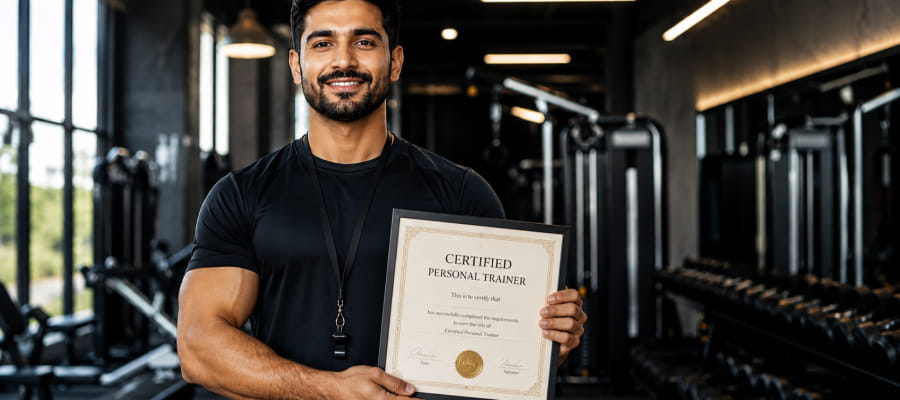
Becoming a certified personal trainer means meeting basic eligibility rules, completing an NCCA-accredited certification program, passing a proctored exam, and buying liability insurance before you train anyone for pay. Most candidates finish the entire path in 4 to 12 weeks, depending on study pace and prior background.
Gyms, studios, and insurers use NCCA accreditation as the baseline filter for hiring and coverage. A trainer without an accredited credential can still coach informally, but most commercial gyms will not put them on payroll, and most liability insurers will not write a policy without proof of certification.
Certification pays off financially too: NASM-certified trainers earn 22% more than the industry average, with new trainers averaging $48 an hour.
How to Become a Certified Trainer, Step by Step
Here's how to become a certified trainer in seven repeatable steps, regardless of which organization issues your certification.
Step 1: Confirm You Meet the Eligibility Requirements
Candidates must be at least 18 years old, hold a high school diploma or GED, and carry current CPR/AED certification before sitting the exam. These requirements come from the certifying body, not the gym, so they're the same whether you're getting your CPT cert at a national chain or a local studio.
Step 2: Choose an NCCA-Accredited Certification
NASM, ACE, and ISSA run the three most widely recognized personal trainer programs at US gyms. NASM National Academy of Sports Medicine remains the most requested credential of the three among commercial gyms. Commercial gyms and insurers treat NCCA accreditation as the baseline filter for hiring and coverage, so any of these personal trainers certification options clears that bar. The differences come down to cost, format, and pass rate:
NASM has the highest first-time pass rate of the three and the largest study ecosystem. In 2025, 19,338 of 22,843 candidates passed its proctored exam, which is part of why becoming a NASM certified personal trainer is often considered the best certification for personal training beginners. ISSA's open-book track is the fastest path to a credential if speed matters more than exam format. ACE lands in the middle on both cost and difficulty, which makes it a common pick for career-changers.
Step 3: Enroll in a Study Format That Fits Your Schedule
Fitness trainer classes online run 4 to 6 weeks for most self-paced learners, while NASM in person classes and other hybrid programs with in-person labs typically run 8 to 15 weeks. An online personal training program or certified personal trainer online program works best if you already have some fitness background. The hybrid route makes more sense if you want hands-on coaching before you're in front of a paying client.
Step 4: Complete the Coursework and Practice Exams
Work through every domain, not only the ones that interest you. Nutrition, program design, and client assessment carry as much exam weight as exercise technique. Most candidates underestimate the nutrition and behavior-change sections since they feel less hands-on than the exercise science material, and it shows up in their practice exam scores.
Step 5: Get CPR/AED Certified if You Have Not Already
This step must be finished before your exam date, not after, since testing centers verify the credential at check-in. A standard course through a recognized provider takes a few hours and needs renewal every one to two years, so build the timing into your certification schedule rather than treating it as an afterthought.
Step 6: Pass the Certification Exam
Each organization sets its own passing score, proctoring method, and retake policy. NASM's exam is proctored by PSI, either in person or through a live remote proctor. ACE candidates schedule their exam through Pearson VUE. ISSA, by contrast, offers an open-book track and requires a 75% score, with a free retake if you don't clear it the first attempt.
Step 7: Buy Liability Insurance Before Training Clients
Most gyms and independent contracts require proof of coverage before a newly certified trainer works with a single paying client. General and professional liability together typically run $150 to $400 a year, and some certifying bodies, NASM included, offer discounted rates through a partner insurer starting around $11 a month for their own certified trainers.
How to Get Your First Clients After Certification
Once you know how to become a certified trainer, the next challenge is finding clients. Most new trainers start with gym floor hours and referrals, not online clients. A widely-read trainer forum breakdown from a 14-year trainer makes the case directly: build real in-person reps first, since knowing how to train yourself doesn't mean you know how to coach someone else.
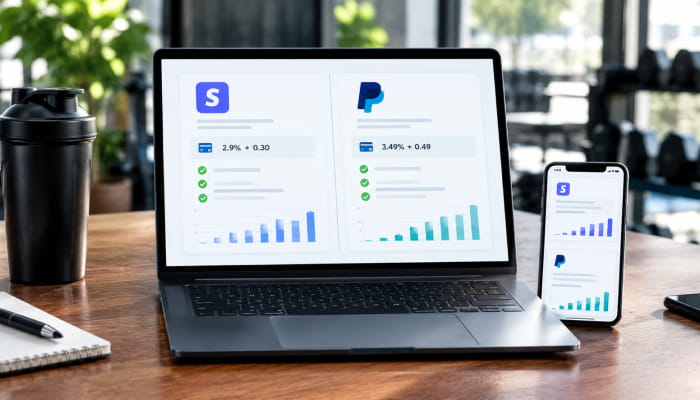
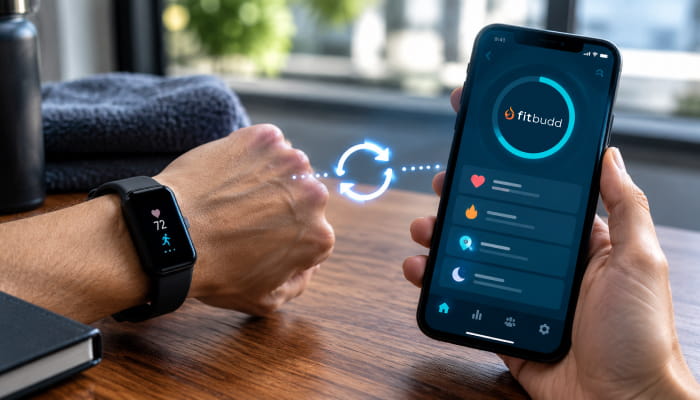
Once that foundation is in place, FitBudd handles the operational layer for the online or hybrid side: a branded coaching app, built-in scheduling and check-ins, and zero-commission Stripe/PayPal payments.