


Choosing the right personal trainer certification is one of the most consequential decisions you will make at the start of your fitness career. Get it right, and you have a credential that opens doors at commercial gyms, supports your online coaching business, and gives clients confidence in your expertise. Get it wrong, and you may find yourself taking a second certification within a year just to access the jobs or clients you actually want.
This guide compares NFPT, NASM, and ACE head-to-head on the factors that matter most to aspiring trainers and fitness professionals in 2026: cost, exam difficulty, accreditation, curriculum depth, employer recognition, and career path fit. All pricing figures in this guide are verified directly from each organization’s website as of May 2026.
How Does NFPT Certification Compare to Other Personal Trainer Certifications?
If you’re looking for a budget-friendly personal trainer certification that still checks the important industry boxes, NFPT is worth considering. The National Federation of Professional Trainers has been around since 1988 and, like National Academy of Sports Medicine and American Council on Exercise, is NCCA accredited — the credential most gyms and insurance providers look for.
What makes NFPT stand out is its affordability and flexibility. You can start with a $299 exam-only option or get the full CPT Core package for $449, which is much cheaper than most NASM or ACE packages. NFPT also includes free lifetime CEUs, which can save trainers a lot of money over the years.
The main downside is brand recognition. NASM and ACE are more widely known at large commercial gyms, so they may appear more often in job listings. But in practice, a knowledgeable trainer who gets results can still build a successful career with an NFPT certification, especially in online coaching or independent training.
2026 At-a-Glance Comparison
Pricing verified from nfpt.com, nasm.org, and acefitness.org in May 2026. Prices are subject to change and frequent promotional discounts. Always verify current pricing before enrolling.
NFPT Personal Training Certification: Full Review
The NFPT-CPT is built around a clear, approachable curriculum covering human anatomy, physiology, fitness components, program development, and professional communication. The exam is 120 multiple-choice questions with a two-hour time limit, available either at an authorized test center or through in-home proctoring with instant results.
NFPT 2026 Package Pricing
Pricing sourced directly from nfpt.com/get-certified in May 2026.
What the NFPT-CPT Curriculum Covers
The NFPT exam is divided into five domains:
- Human Anatomy Principles (20%)
- Principles of Human Physiology (19%)
- Fitness Components (23%)
- Program Development (33%)
- Professionalism and Communication (5%)
The program development domain being the largest section reflects NFPT's practical orientation. The curriculum focuses on equipping trainers to assess clients, design appropriate programs, and apply training science in real gym settings without the deep biomechanics specialization that NASM's OPT model provides.
NFPT: Who It's Best For
NFPT is a strong choice for coaches who are budget-conscious, plan to work independently or launch an online training business, or want to add a second NCCA-accredited credential to their existing qualifications. The free CEUs for life benefit is particularly compelling for long-term career cost management.
Trainers aiming specifically for employment at major commercial gym chains like Equinox, LA Fitness, or Gold's Gym may find that NASM or ACE carry more recognition in those specific hiring processes, though NCCA accreditation from any body remains the functional baseline requirement.
NASM Certification: Full Review
National Academy of Sports Medicine is one of the most recognized names in the fitness industry and is especially popular at commercial gyms. If you’ve looked at trainer job listings, chances are you’ve seen NASM mentioned more than once.
What makes NASM stand out is its OPT (Optimum Performance Training) model — a structured system that teaches trainers how to progress clients through stability, strength, and power phases safely and effectively. Because of this, NASM places a strong focus on corrective exercise, movement quality, and exercise science.
That makes it a great fit for trainers who want to work with athletes, rehabilitation clients, or people dealing with posture and movement issues from sedentary lifestyles. Many employers also view NASM as a strong credential because of its reputation and structured methodology.
To become NASM certified, you’ll need a high school diploma (or GED) and a current CPR/AED certification. NASM also offers multiple study packages, so candidates can choose an option that fits their budget and learning style.
Also read: NASM Certified Personal Trainer (CPT) - Certification Review
NASM 2026 Package Pricing
NASM study packages average around $1,997.50, which is significantly higher than ACE's average package cost of about $990.
Pricing sourced from nasm.org and verified third-party sources (Coursera, PTPioneer) in May 2026. NASM frequently runs promotional discounts. The base exam-only fee is approximately $599; retake fee is $199.
The OPT Model: NASM's Core Differentiator
The Optimum Performance Training model is NASM’s most significant intellectual contribution to the personal training field, and understanding it is central to passing the NASM CPT exam. The OPT model is specifically designed to develop both corrective exercise techniques and strength training, with a curriculum that covers biomechanics and human movement science in depth. The OPT model has three training levels:
- Stabilization Endurance: foundational phase focused on neuromuscular efficiency, balance, and joint stability. Appropriate for most new clients.
- Strength: progressive overload across strength endurance, hypertrophy, and maximal strength phases.
- Power: Olympic-style power development for athletic and advanced clients.
Each phase specifies training parameters: sets, reps, tempo, rest periods, and exercise selection. The model gives NASM-certified trainers a clear, evidence-based progression framework that employers and clients recognize as a mark of structured professional education.
NASM also offers one of the most extensive specialization ecosystems in the industry. The most popular add-ons include the Corrective Exercise Specialist (CES), Performance Enhancement Specialist (PES), Certified Nutrition Coach (CNC), Senior Fitness Specialist, and Group Fitness Instructor credentials. Trainers who add a nutrition certification alongside their CPT consistently report higher per-session rates and improved client retention.
NASM Exam Details
To sit for the NASM certification exam, candidates must meet NASM certification requirements, which include having a high school diploma or GED and a current CPR/AED certification. The NASM CPT certification exam consists of 120 questions (100 scored, 20 unscored pretest items), with a two-hour time limit and a passing score of 70% on the scored questions.
The exam format is structured to assess practical skills, core competencies, and real-world applicability for personal trainers, aligning with industry standards—similar to the approach taken by ACE and NASM exams. The first-attempt pass rate is approximately 79% for the proctored NCCA-accredited exam.
A retake costs $199 if not included in your package. The certification exam can be taken at a PSI testing center or online with remote proctoring.
NASM: Who It's Best For
NASM is the strongest choice for trainers who plan to work at commercial gym chains (Equinox, LA Fitness, Gold’s Gym, YMCA, Planet Fitness), want the most widely recognized credential for general fitness employment, and value a structured, evidence-based training methodology they can apply immediately with clients.
NASM trainers and NASM personal trainers are highly regarded in the industry, with career paths that extend beyond gyms to physical therapy clinics, collegiate sports, and elite athletic environments. NASM is especially ideal for those who want to work with athletes, rehabilitation clients, or individuals with sedentary lifestyle imbalances.
The higher cost is a real consideration, but the employer recognition and OPT model depth justify it for most trainers pursuing gym-based careers.
Also watch: https://youtu.be/nDIJyX37wCE?si=vidRfqsgEC1qGnTz
ACE Certification: Full Review
American Council on Exercise is one of the biggest names in personal training certifications, but its approach is quite different from National Academy of Sports Medicine. While NASM focuses heavily on corrective exercise and performance training, ACE leans more toward behavior change, lifestyle coaching, and long-term wellness.
ACE uses its Integrated Fitness Training (IFT) model, which is designed around helping everyday clients build sustainable habits and improve overall health. That makes ACE a strong choice for trainers interested in weight loss coaching, general fitness, corporate wellness, or health-focused studio training.
Both ACE and NASM are highly respected, NCCA-accredited certifications, so the better choice really depends on your coaching style and career goals. Like NASM, ACE also requires a high school diploma (or GED) and a current CPR/AED certification before taking the exam.
ACE 2026 Package Pricing
Pricing sourced from acefitness.org and verified sources (Insurance Canopy, ACE press materials) in May 2026. ACE frequently runs promotions. The NCCA-accredited exam is available as a $99 add-on to all study programs (the base programs include a non-proctored, non-NCCA certificate exam). Retake fee is $249 unless you purchased the Advantage package.
Also read: ACE Personal Training Certification: Complete Guide (Cost, Exam, Career)
ACE’s Curriculum and Training Philosophy
American Council on Exercise takes a more client-centered approach to fitness education. Its IFT (Integrated Fitness Training) model focuses on helping people improve their health gradually through realistic, sustainable lifestyle changes rather than rigid performance-based programming.
The ACE curriculum covers client assessments, movement training, program design, behavior change, and professional coaching skills. Compared to NASM’s structured OPT model, ACE gives trainers more flexibility to tailor programs around individual client needs and goals.
The ACE certification exam includes 150 multiple-choice questions and allows up to three hours for completion. It’s considered challenging, with a pass rate of around 65%, but ACE offers unlimited retakes, which many candidates appreciate. The exam itself costs about $499, making it slightly more affordable than NASM.
ACE also offers several advanced specializations, including Health Coach, Fitness Nutrition Specialist, Senior Fitness Specialist, and Medical Exercise Specialist. These are especially valuable for trainers who want to work in wellness coaching, healthcare-adjacent fitness, or with clients managing chronic conditions.
ACE vs NASM: The Core Difference
This is the comparison most aspiring trainers struggle with, and the honest answer is that both are excellent credentials with different strengths rather than one being objectively superior.
When comparing ACE and NASM, it's important to note that both CPT certifications are among the most recognized fitness certifications in the industry, but each has a distinct focus and reputation. If you're deciding between ACE or NASM, consider your career goals, preferred training style, and the populations you want to serve.
Both ACE and NASM fitness certifications are highly respected, but NASM's CPT certification stands out for its focus on corrective exercise techniques and strength training through the OPT model, making it ideal for those interested in performance enhancement or working with athletes and rehab clients.
ACE, on the other hand, is known for its IFT model, emphasizing health behavior change and a person-first approach, making it perfect for trainers working with the general population, weight loss, and overall wellness. ACE also offers a smooth path into health coaching, corporate wellness, and private studio environments. When choosing between ACE or NASM, consider which CPT certification aligns best with your professional goals and the clients you want to serve.
ACE: Who It's Best For
American Council on Exercise is a great fit for trainers who want to work with everyday clients rather than athletes or performance-focused populations. The certification places a strong emphasis on behavior change, lifestyle improvement, weight loss, and long-term wellness.
ACE is especially valuable for coaches interested in health coaching, corporate wellness, private studio training, or working with clients managing chronic health conditions. Its client-centered approach focuses more on individualized coaching and sustainable habits than rigid training systems.
The exam is known to be challenging, so preparation matters, but many trainers see that as a positive because it adds credibility to the certification.
What Are the Benefits of Getting NFPT Certification?
NFPT's specific advantages over NASM and ACE are worth laying out clearly, because they're sometimes overlooked in comparison guides that default to recommending the highest-profile names.
- Lowest total cost of any major NCCA-accredited certification: $449 for the Core package versus $675-$999 for comparable NASM and ACE entry-level packages.
- Free continuing education for life: NFPT is the only major certification that doesn't charge for CEUs every two-year recertification cycle. Over a 10-year career, this represents hundreds of dollars in savings.
- High pass rate: NFPT reports a greater than 80% pass rate, higher than both NASM (79%) and ACE (65%).
- Flexible testing: in-home proctoring with instant results, one full year to complete the certification, and no pressure to rush.
- Clean, straightforward curriculum: less overwhelming than NASM's extensive proprietary methodology for trainers who want a solid foundation without 400-page textbooks.
- Military and GI Bill funding approved: NFPT accepts GI Bill benefits, making it accessible to service members and veterans.
The legitimate trade-off: NFPT doesn't carry the same brand recognition at major commercial gym chains as NASM or ACE. For trainers whose primary career goal is employment at a name-brand gym, that matters. For trainers building independent practices, launching online coaching businesses, or working in settings where NCCA accreditation is the baseline (not the specific cert body), NFPT is fully competitive.
Can You Recommend the Best Certifications for Fitness Trainers?
Choosing the best personal training certification depends on your career goals, learning style, budget, and preferred work environment. When considering ACE or NASM, it's important to note that both are highly regarded in the fitness industry and are recognized by most employers.
However, NASM certification tends to attract more aspiring trainers, indicating a higher level of recognition and demand. Both certifications can help you become a certified personal trainer and typically lead to similar average incomes, but your actual earnings will depend on additional specialties, the types of clients you serve, and your work setting. Here’s a clear decision framework:
Choose NFPT if:
- Budget is a primary consideration and you want the most affordable NCCA-accredited option
- You plan to work independently, launch an online personal training business, or work in settings where any NCCA accreditation is sufficient
- You want to get certified efficiently without navigating a complex proprietary training model
- Long-term cost management matters to you (free CEUs for life is a real advantage)
- You are a military member or veteran looking to use GI Bill benefits
Choose NASM if:
- You want to become a nasm certified personal trainer and benefit from the high industry recognition and demand for nasm trainers at major commercial gym chains (Equinox, LA Fitness, Gold’s Gym, YMCA, Planet Fitness)
- You are seeking the most widely recognized personal trainer certification in the US market, as nasm personal trainers are often preferred by employers and tend to attract more aspiring trainers than ACE
- You are drawn to a structured, evidence-based training methodology (the OPT model) and want corrective exercise as a core part of your skill set
- You plan to pursue multiple specializations and want to stay within one certification ecosystem
- You are interested in career paths that include working with physical therapy clinics, collegiate sports, elite athletic environments, or training athletes, rehabilitation clients, or individuals with sedentary lifestyle imbalances—areas where NASM excels
- You are making a significant career change and want the job guarantee and mentorship that NASM’s All-Inclusive package offers
Choose ACE if:
- You want to become an ACE personal trainer, where ACE focuses on health behavior change, public health, and lifestyle improvements rather than just exercise science
- ACE is perfect for working with the general population, with a strong emphasis on weight loss, general wellness, and accessible exercise for a broad audience
- ACE naturally transitions into health coaching, corporate wellness programs, and private studio training for lifestyle transformation
- Behavioral coaching and the psychological dimensions of fitness are central to your coaching style
- You plan to work in corporate wellness, healthcare-adjacent fitness, or senior fitness settings
- You prefer a client-centered training philosophy over a standardized progression model
- You want robust study support and don’t mind a more challenging exam process
The Hidden Costs of Personal Trainer Certification
Every certification body has costs beyond the headline package price. Here’s what to factor into your total budget for each certification:
Which PT Certification Pays Most?
No certification automatically guarantees a higher salary. A trainer’s income usually depends more on their niche, pricing, location, experience, and whether they work independently or for a gym.
That said, National Academy of Sports Medicine trainers may earn more in premium commercial gyms because NASM is often treated as a preferred credential by employers. American Council on Exercise trainers can do well in corporate wellness and health-focused coaching roles, especially with additional specializations.
Meanwhile, National Federation of Professional Trainers trainers who build online or independent coaching businesses have the flexibility to set their own rates. In reality, the highest-earning trainers are usually self-employed and succeed because of strong marketing, specialization, and client results — not just the certification itself.
Personal Training Certification Comparison: Study Experience and Difficulty
Beyond cost and recognition, the actual experience of studying for and passing each exam differs meaningfully. Candidates often find that their prior knowledge in exercise science can significantly influence how quickly they progress through the certification program.
Both NASM and ACE emphasize the importance of high-quality study materials within their certification programs to prepare candidates effectively for their fitness certifications, ensuring comprehensive coverage of essential topics and practical application. Here’s what candidates typically report:
NFPT Study Experience
NFPT's study materials are widely described as clear, accessible, and well-organized. The curriculum doesn't overwhelm candidates with a complex proprietary model, and the 80%+ pass rate reflects a manageable but substantive exam. Most candidates complete the certification in 8-12 weeks. NFPT's live study sessions and chapter quizzes in the Core and Pro packages are specifically praised in trainer reviews for keeping candidates on track without requiring expensive third-party prep materials.
NASM Study Experience
National Academy of Sports Medicine has a more detailed curriculum built around the OPT model, so understanding concepts matters more than simple memorization. Most beginners spend 3–6 months preparing, especially for topics like exercise progressions and training phases. Practice exams are considered the most helpful study tool, and many candidates also use third-party prep resources alongside NASM’s official materials.
ACE Study Experience
American Council on Exercise has the lowest pass rate among the three certifications at around 65%, making it one of the more challenging CPT exams. The 150-question, 3-hour format covers exercise science, behavior change, and program design in depth. Most candidates spend 3–6 months studying, and many find the Advantage package helpful because it includes study groups and a free retake.
Once You're Certified: Building Your Coaching Business
Getting certified is only the first step in building a successful fitness career. Many trainers pass their exam but struggle afterward with finding clients, managing schedules, handling payments, and growing beyond a few in-person sessions. The trainers who scale fastest usually have three things in common: they choose a clear niche, create a professional client experience, and use systems that save time while serving more people.
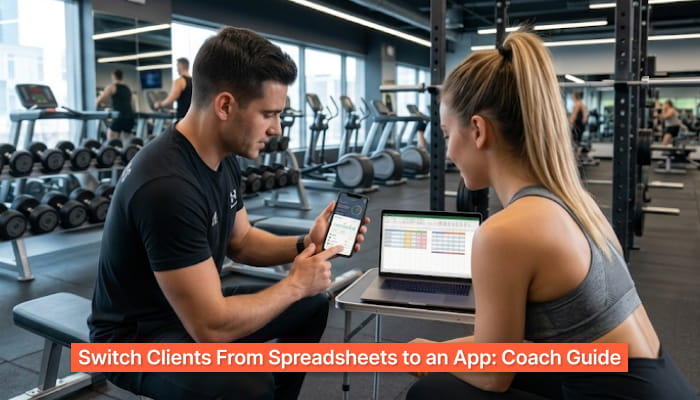
For online coaches, the platform you use can make a huge difference. Tools like FitBudd help trainers run their business with a custom branded app, workout delivery, nutrition tracking, automated check-ins, and built-in payments in one place. Having these systems from the start helps new trainers look more professional and grow their coaching business faster.
Also watch: https://youtu.be/P7aV6IQokx8?si=sH76bKKe4g7_lOYP












.jpg)