

What is the best diet for overall health?
The evidence points to one answer with two runners-up. A Mediterranean-style pattern leads expert rankings, DASH matches it for heart health, and flexitarian eating wins for people who want fewer rules. This article covers what the research says about each, what every healthiest diet plan shares, and how to pick the one you will still follow next year.
No food group is eliminated, which makes it easier to coach than any elimination protocol. Clients who can still eat bread tend to be the ones still eating this way next year.
What do the expert ratings actually say?
The 2025 edition of U.S. News & World Report's Best Diets had a panel of 69 experts rate 38 diets. Mediterranean scored 4.8 out of 5 for best overall (U.S. News, 2025), its eighth consecutive year at the top. It also rated first for diabetes, gut health, inflammation, and mental health.
One detail before you quote a 2026 figure to a client. U.S. News did not publish diet ratings in 2026, replacing the format with a health trends report, so the 2025 rating is the most recent that exists.
How strong is the heart evidence?
The PREDIMED trial followed 7,447 adults at high cardiovascular risk in Spain and found roughly 30% fewer major cardiovascular events on a Mediterranean pattern with olive oil or nuts. The 2013 paper was retracted and republished in 2018 after randomization problems affected 1,588 participants, and the corrected analysis left the 30% figure intact.
Cite the 2018 version. Anyone who checks will find the retraction, and knowing it first is the difference between authority and embarrassment.
How does DASH compare?
DASH was designed to lower blood pressure through produce, whole grains, lean protein, and a sodium cap. It rated 4.9 out of 5 in the heart-healthy category, the highest mark any diet received there. The American Heart Association recommends the same core pattern.
Choose DASH when blood pressure is the primary target, and Mediterranean for everything else. A client following one is close to following the other already.
What do the top-rated patterns have in common?
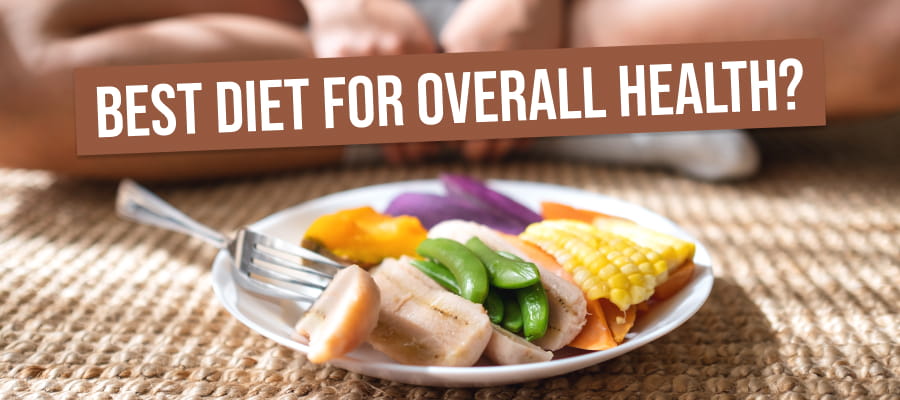
The same plate. The Harvard Healthy Eating Plate makes it visual: half vegetables and fruit, a quarter whole grains, a quarter protein, with healthy oils and water instead of sugary drinks.
Mediterranean, DASH, flexitarian, and MIND all fit that template, differing on emphasis and restriction level. The argument over which one wins matters less than whether the plate gets built daily.
Why does adherence decide the outcome?
Because a pattern works only while a client follows it, and adherence varies more than the patterns do. A study in Nutrients on dietary adherence found self-efficacy and group identification predicted adherence, while motivation by mood or weight control predicted the opposite.
Trainers reach the same conclusion from the gym floor. A personal trainer posting in the HealthUnlocked NHS weight loss community forum put it plainly:
"The best diet system is....... The one you are going to stick with!! If you cannot commit 100% to the regime then it won't work."
So set the pattern around a client's budget, cooking skill and food preferences before optimising anything else.
How should trainers use this with clients?
Prescribe the pattern, adjust for preference and budget, then track adherence weekly. A client hitting the plate five days a week beats one following a 4.8-rated protocol for three weeks.
Scope matters. Unless you hold a nutrition credential, you coach patterns and habits rather than prescribing clinical meal plans. Any client with a medical condition or on medication needs a dietitian, and the dos and don'ts of nutrition coaching covers where that line sits.
Delivery decides whether the pattern survives a real week. Setting macro targets and reviewing logged meals inside nutrition coaching software keeps guidance and adherence data together. Coaches comparing options can start with this roundup of nutrition coach apps.
Explaining the evidence takes one session. Holding a client to it takes twelve months, so book a FitBudd demo to run meal guidance, macro targets and weekly check-ins through your own branded app.













.avif)