
Are You Earning Up to Your Potential?
Most personal trainers are undervaluing their time and skills. Our Personal trainer Revenue Calculator helps you find out what you should be making, and how to get there.
No guesswork. Just real numbers.
.webp)
Introduction
Traditional gym workouts have given way to online workout programs that offer convenience, flexibility, and accessibility. With this shift in the fitness industry, it is now possible for people to manage their physical health on a mobile device. It has created new opportunities for fitness trainers and professionals to reach a global audience and connect with clients innovatively.

However, the success of online workout programs goes beyond moving from a fitness center and uploading exercise videos on social media. To engage users and help them achieve their goals, the key elements of your online program must be well-designed program and visually appealing. Equally important is its functionality. A seamless user interface makes it easier for clients to navigate, stay motivated, track their progress, and lead a healthier lifestyle.
💡Pro-tip: What is User Interface Design?
User interface or UI design is the process of designing the look, feel, and interactivity of a digital product. It focuses on anticipating what users might need to do and ensuring that the interface has elements that are easy encourage users to access, understand, and use to facilitate those actions.
Whether you're a seasoned fitness professional looking to transition to the online space or aiming to enhance your existing digital offerings, this comprehensive guide will help you navigate new industry trends and understand the fundamental principles and strategies behind designing effective online workout programs.
Crafting successful online workout programs.
The first step: Understanding client needs
Before we dive into the aesthetics or functionality of your online workout program, it is vital to get a deep understanding of the client's needs, goals, and preferences. Conducting thorough user research of your target audience, including fitness levels, health considerations, and individual limitations, allows you to create a personalized program that resonates with each client.

💡Pro-tip
Take it one step further and do an activity where you create user personas. This will help you to truly key aspects of your potential client's needs. Start by jotting down a description/bio about your persona. Dig deeper and dive into their goals, needs, pain points, and personality traits. For eg: Some of the most common pain points for clients looking to train online are schedule constraints, absence of personalization in a traditional workout, lack of nutritional guidance, gym anxiety, limited engagement, and inconsistent communication.
💪 Got an idea for a brand? Let's bring it to life.
Launch your own fitness app with FitBudd in minutes!
💪 Got your brand name? Let’s bring it to life.
Launch your own fitness app with FitBudd in minutes!



88% trainers worldwide gave us 5 stars
Transform your fitness business with the power of your branded app on iOS and Android.
Try for FREEAdapt principles from traditional training: Structure your program with a traditional twist.

While the digital world allows for diverse workout options, maintaining a structured and progressive program is key. Design your online workouts to follow a logical sequence, similar to the periodization models used in traditional training. Integrate phases of varying intensity and focus on different fitness components to ensure a well-rounded experience.
If you are moving from in-person to online workouts for the first time, remember - that there will be a learning curve and will require a strategic approach. Traditional exercises that are usually performed at a fitness facility may need modification to suit a virtual setting. Consider the limitations of space and equipment that clients might have.
Aesthetics: The visual appeal
Aesthetics in online fitness training goes beyond visual appeal; it's about creating an environment that inspires and motivates. The design elements of a platform, from the color scheme to the visual elements to the layout, significantly impact user engagement. A visually pleasing interface can build a cohesive user experience, making clients more likely to return for their next session.
Basics of creating an aesthetically pleasing workout program
Develop and maintain consistent branding.
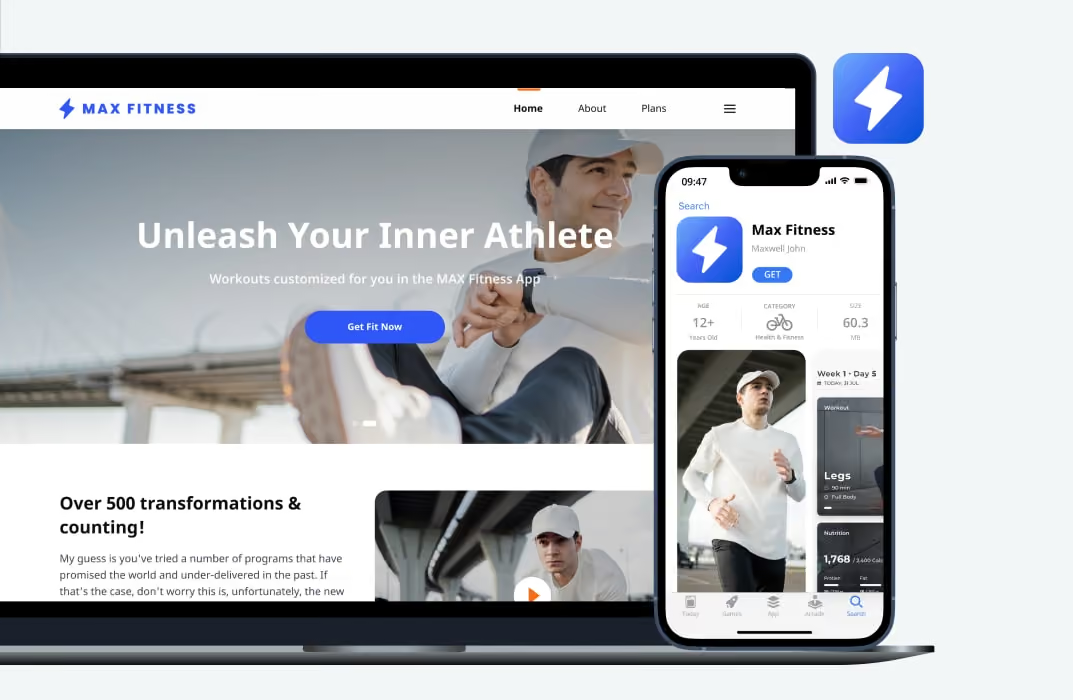
Consistency builds trust and fosters a recognizable identity in the already crowded digital space. When a cohesive brand identity backs your online workout program, clients experience a sense of reliability, enhancing their commitment to your expertise. From your logo to the tone of your communications, a consistent brand image reinforces professionalism and establishes an emotional connection.
In a virtual environment, a uniform brand presence becomes a powerful tool for differentiation. Maintain a consistent color scheme, logo, and typography across all materials. It strengthens your online presence, making your workout program stand out as a reliable and distinctive choice in the competitive world of virtual training.
Functionality: The user experience
While aesthetics draw clients in, functionality is the backbone that ensures a smooth and successful workout experience. The user interface should not only be visually appealing but also intuitively functional. Effortless navigation, concise workout instructions, and easy access to progress tracking are given. A well-designed online fitness program seamlessly integrates technology and user interfaces to enhance functionality, allowing users to focus on their workout without distraction.
Basics of creating a functional and seamless online workout program
Craft a user-friendly experience: The evolution from primitive to powerful online fitness platforms.
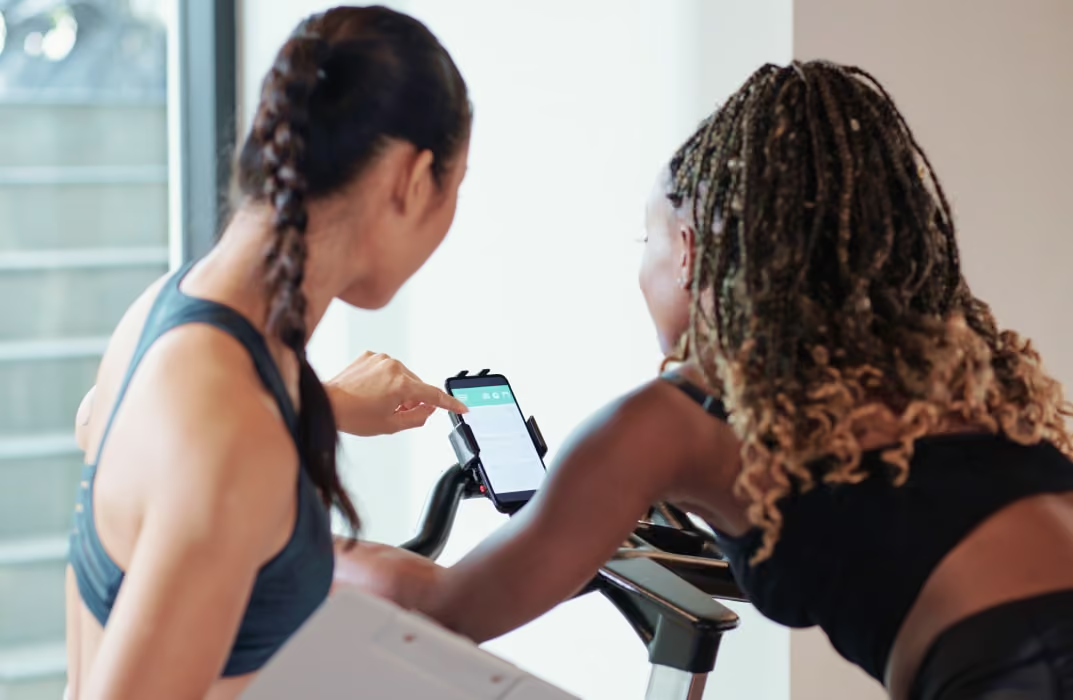
In the realm of online workout programs, the transition from primitive tools like Excel sheets, PDFs, and static images to powerful platforms is a game-changer for fitness professionals. The importance of selecting a user-friendly, powered platform cannot be overstated. Unlike primitive methods that offer limited interactivity and engagement, a personal fitness app provides a seamless user experience.
Launching an app may seem daunting, but the benefits outweigh the challenges. Excel sheets and PDFs lack dynamic features essential for personalized training. In contrast, mobile apps offer interactive workouts, real-time feedback, and progress tracking, enhancing user engagement. The intuitive design of apps simplifies navigation, making workouts accessible and enjoyable for clients.
💡Pro-tip
To ensure functionality, incorporate best practices of interaction design such as simplicity, clarity, consistency, feedback, and responsiveness.
Bridging the gap: Blending aesthetics & functionality in your online workout programs.
1. Exercise variation and progression
One of the strengths of traditional workouts lies in the thoughtful progression of exercises. Bring this aspect into your online program by incorporating variations of movements over time. Begin with foundational exercises and gradually introduce progressions as clients advance. This not only aligns with traditional training methodologies but also provides a sense of accomplishment and a continual challenge for participants.
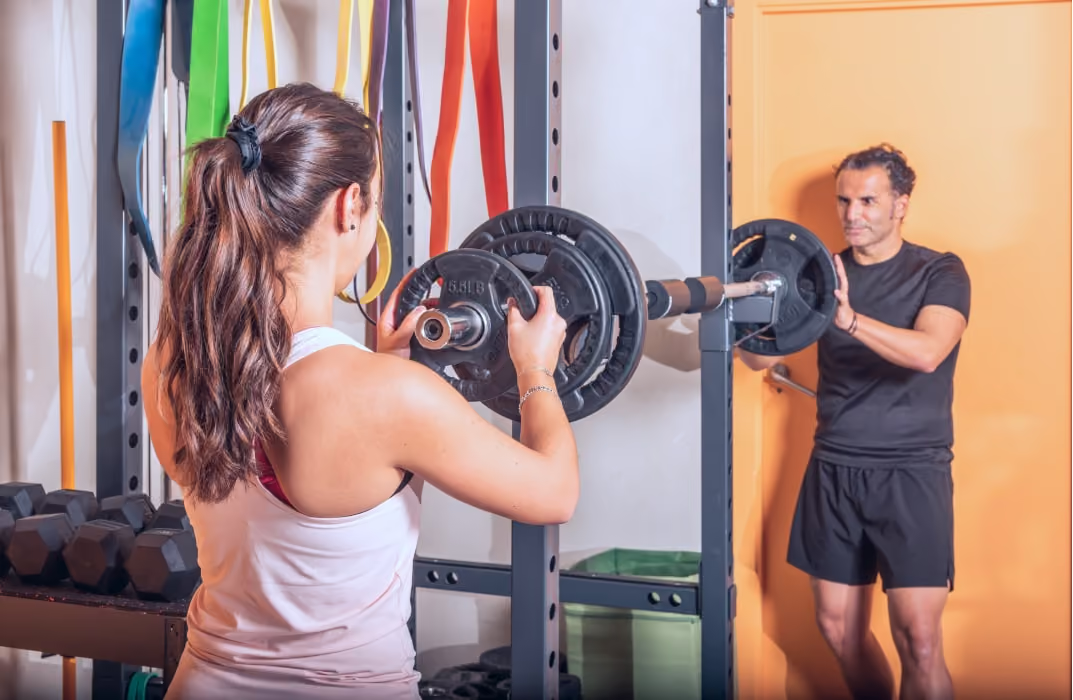
Aesthetics: Visualize exercise progression through engaging imagery. Use side-by-side visuals to illustrate variations, showcasing a visually cohesive evolution of movements that are both informative and motivating.
Functionality: Provide clear instructions on exercise variations, making it easy for users to follow progressions. Implement timers or notes with additional information on each exercise, ensuring a smooth user experience.
2. Personalization in the digital space
With traditional training, trainers often personalize workouts based on individual needs, and replicating this in the online space is crucial. One of the advantages of online workouts is the ability to personalize the experience for each client with ease. Leverage technology to collect your user preferences, allowing you to tailor workouts to their unique fitness goals. The more personalized the experience, the more invested and motivated clients become. This can help you increase your user engagement and user retention rate.
Modern tools like an AI workout generator make this process easier by automatically designing customized routines that adapt to each client’s fitness goals, progress, and preferences.
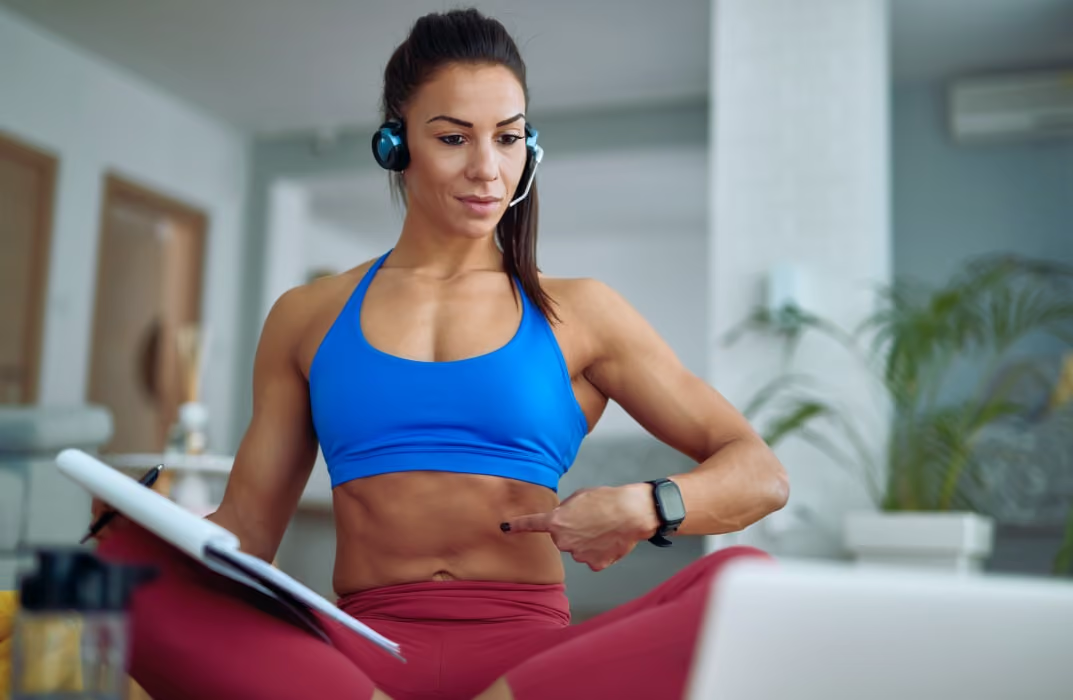
Aesthetics: Personalization can be reflected in the visual design of user profiles. Incorporate customization options with schedules, progress charts, and personalized goal trackers, creating an aesthetically pleasing and individualized experience.
Functionality: Create a user-friendly design by always prioritizing the needs and preferences of your end user, in this case - your potential clients. Use your expertise to understand their pain points and expectations to deliver a personalized and seamless experience throughout. You can use this data to inform your design decisions, ensuring your program addresses their pain points and caters to their expectations. Integrate a straightforward profile customization process that adapts to individual goals, making the user experience seamless and personalized.
💡Pro-tip
Create an elaborate onboarding form for your clients with specific questions about their health and day-to-day lifestyle.
3. Engaging visuals for instruction
Offline training enables trainers to provide hands-on demonstrations and clear verbal cues. Translate this into your online workout programs by creating engaging visuals. Gone are the days of static PDF workout plans. Create high-quality videos demonstrating exercises with proper form, along with concise written and verbal instructions, to enhance the user experience and simplify the design process.
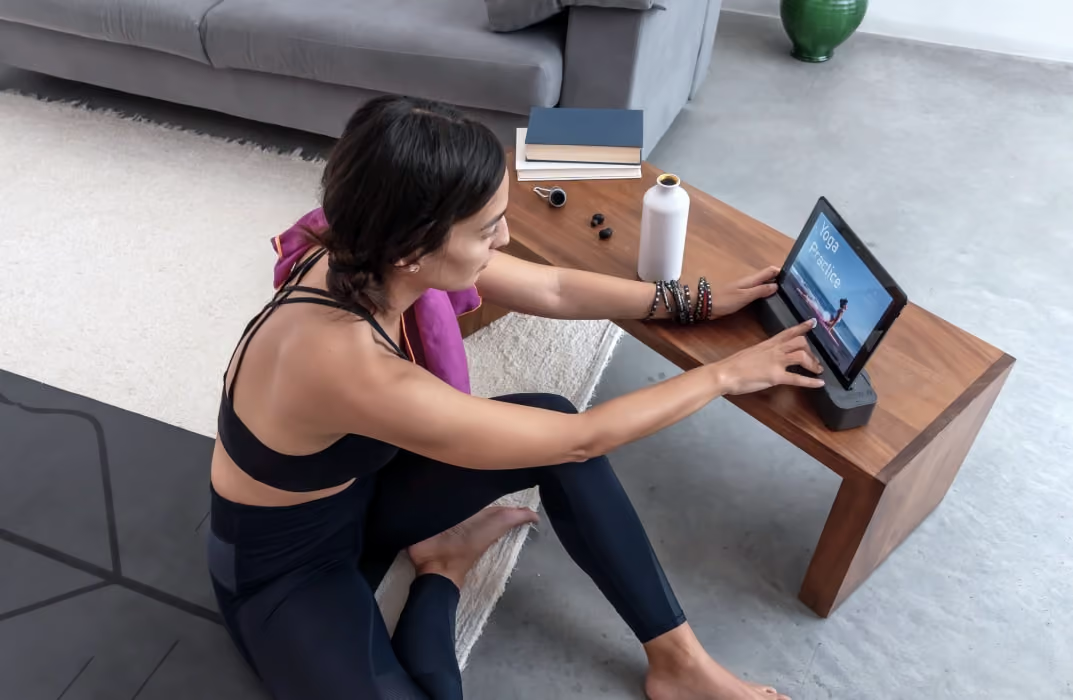
Aesthetics: Instructional visuals can be designed with a clean and modern look. Use high-quality content with visually consistent cues. Incorporate a consistent color palette for a cohesive and visually appealing learning experience.
Functionality: From a functionality standpoint, ensure that instructional visuals are not just aesthetically pleasing but also functional. Implement features such as pause/play to enhance the practicality of the instructional content.
💡 Pro-tip
Remember, it is a recommended practice to create original content for your workout plans. But if you are in a fix, access websites/tools like Unsplash, Pexels, and Freepik for free graphics, images, and video resources. Pay attention to the design of your instructional content, ensuring clarity and accessibility for your clients.
4. Interactive elements for community building
Engagement is the key to the success of online workout programs. Traditional fitness centers and gyms often foster a sense of community keeping clients engaged. With online programs, cultivating a sense of community becomes vital for fitness professionals. Interactive elements are the bridge between conventional group workouts and the virtual realm. Utilizing features like live sessions, group challenges, and community forums infuses the digital space with the camaraderie found in traditional group settings.
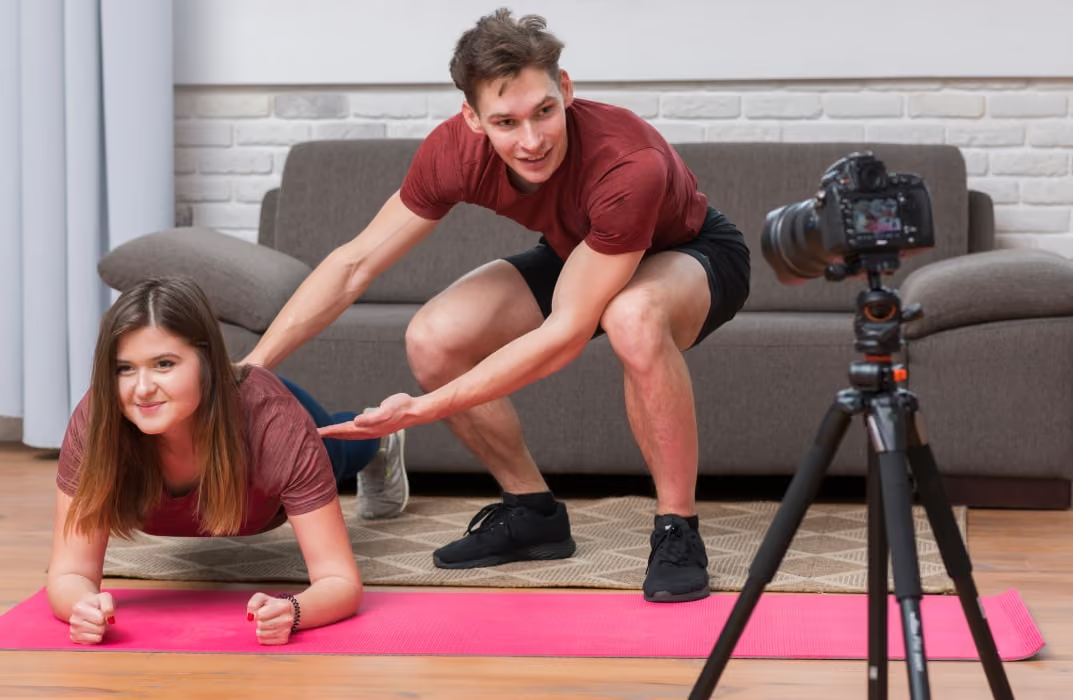
Aesthetics: The visual design of these interactive features should be inviting and cohesive, utilize vibrant colors and engaging visuals to enhance the overall user experience.
Functionality: Live sessions provide real-time interaction, fostering engagement and accountability. Group challenges create positive emotions and a collective sense of accomplishment, while community forums become virtual meeting places for shared successes and challenges. With the integration of such features, you elevate the user experience and make clients feel connected and motivated.
5. Feedback mechanisms and progress tracking
In traditional training, trainers provide real-time feedback to guide clients. Implement similar feedback mechanisms in your online program, whether through live sessions, virtual check-ins, or instant messaging. Give users the tools to track their progress effectively. Tracking helps clients stay motivated and allows them to see the results of their efforts in real time. But most importantly, it holds them accountable, allowing you to identify patterns in their fitness journey and set realistic goals.

Aesthetics: Progress tracking can be visually rewarding. Implement visually striking progress charts with colorful markers to make tracking achievements an aesthetically pleasing experience and motivating.
Functionality: Progress tracking features should be intuitive. Implement a user-friendly interface and send reminders to ensure that clients can track their progress effortlessly. Seek user feedback, to reveal their level of satisfaction and understand where there is room for improvement. This will help you cater to specific user needs.
6. Seamless integration of wearable technology
We have seen an undeniable surge in the popularity of wearable tech in the last decade. While traditional workouts rely on basic equipment, modern technology plays an important role in enhancing the online fitness experience. Wearables have become easy and accessible to monitor fitness levels, set goals, and track your clients’ progress. Integrate wearable tech for real-time performance tracking, so you can make data-driven adjustments.

Aesthetics: The integration of wearable technology can be seamless through a cohesive design. Use visually pleasing icons for tech integrations, and implement a clean interface that incorporates technology without overwhelming the user visually.
Functionality: Wearables should enhance, not hinder, the user experience. Ensure that your wearable integrations are intuitive, with easily accessible settings, clear notifications, and responsive design for various devices for an exceptional user experience.
7.Communication and support
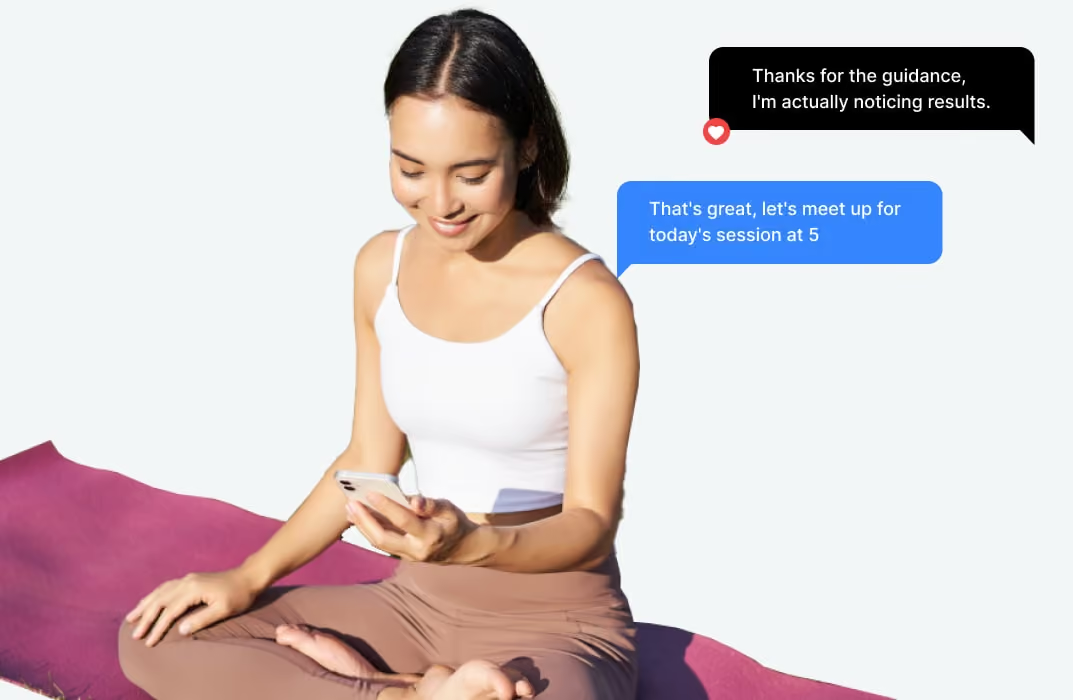
Trainers excel in interpersonal communication. Embrace this aspect in your online program by establishing clear lines of communication. Regular check-ins, responsive customer support, and proactive communication about program updates contribute to a positive user experience. A well-designed support system is as crucial as the workout program itself.
Aesthetics: Communication and support can be visually reassuring. Design or use a clean and professional support interface. You can also support your clients by periodically sharing custom freebies to help aid their fitness journey. Incorporating your brand colors with neutral colors and easy-to-read fonts creates an aesthetically pleasing space for assistance.
Functionality: The support system should be user-friendly. Implement features like chat support, and clearly labeled help sections for practical yet efficient assistance. A well-set-up support system encourages users to share vital feedback with you. Use this feedback to further improve your training programs, onboarding process, and your overall user journey.
8.Client Education and Empowerment

With in-person training, it is easy to educate clients about the 'why' behind exercises. Translate this educational approach into your online program. Provide informative content about the science of fitness, nutrition, and overall wellness. Design your platform to empower clients with knowledge, fostering a deeper connection to their fitness journey.
Aesthetics: Client education materials can be visually engaging. Use visually pleasing infographics, interactive videos, and cohesive typography to present educational content in a way that is both informative and aesthetically pleasing.
💡 Pro-tip
Don't be afraid to share industry news or indulge in the latest trends on social media. The fitness enthusiasts in your client base with love this and will aid new clients with their learning process in the fitness space.
Functionality: Educational content should be easily digestible. Implement a logical flow, interactive content, and clear calls to action for further learning, ensuring that the educational aspect enhances the overall user experience practically.
Harmonizing aesthetics & functionality: Charting the future of online fitness programs
In essence, the artful integration of aesthetics and functionality is a resounding success in the digital fitness space. By embracing the principles outlined in this blog, fitness professionals can not only inspire and engage but also empower clients on a transformative journey toward health and wellness in the virtual era. As we navigate this exciting frontier, the fusion of beauty and function becomes the compass guiding us toward a future where fitness knows no bounds.



Meet the author
Niharika Sonavane
Niharika Sonavane, a visionary graphic designer, crafts compelling brand identities that seamlessly blend innovation with timeless aesthetics, leaving a lasting mark in the world of design.
Frequently Asked Questions

Yangzey Sherpa leads content strategy at FitBudd, overseeing content planning and execution across fitness-focused digital channels. With over five years of experience in SEO and content, she works closely with the fitness industry to ensure content aligns with the needs of coaches, trainers, and gym owners. Her role keeps her deeply connected to fitness business workflows, coaching models, and how professionals use digital platforms to grow.


Apra Pathak has worked closely within the fitness niche for several years, supporting personal trainers and fitness coaches through content and digital marketing initiatives. Her experience centers on understanding how fitness professionals build visibility, communicate value, and engage clients online. Through sustained involvement with fitness-focused platforms and audiences, she has developed a strong understanding of the digital needs and growth challenges faced by modern fitness businesses.

Aishwarya Mehra has been actively involved in fitness-focused digital marketing, working closely with brands and platforms that serve coaches, trainers, and fitness businesses. Her experience spans engagement-driven strategies designed specifically for fitness audiences. Through ongoing exposure to fitness campaigns and communities, she remains closely aligned with how fitness professionals attract, convert, and retain clients in digital environments.

Suchandra Das has contributed content within the fitness niche, working on resources designed for coaches, trainers, and fitness business owners. Her experience involves supporting fitness-related topics with clear, structured, and accessible content. Through consistent involvement with fitness-focused platforms, she has developed familiarity with coaching workflows, client communication, and the informational needs of fitness professionals.
FitBudd is a fitness technology platform built exclusively for coaches, personal trainers, gym owners, and fitness professionals. The platform supports fitness businesses through branded apps, white-labeled solutions, and websites designed around real coaching and training workflows. FitBudd works closely with the global fitness community, maintaining deep, ongoing involvement in the fitness industry.

Ankit Uniyal has worked extensively with fitness-focused content, supporting platforms that cater to personal trainers, gym owners, and fitness professionals. His experience includes optimizing and structuring content around fitness-related search behavior and user intent. Through continued involvement in the fitness niche, he has gained a strong understanding of how trainers and coaches build discoverability and authority online.

Saumya Mittal is the Co-Founder and CEO of FitBudd. Since 2021, she has been actively engaged in the fitness technology sector, collaborating with global fitness companies to foster digital growth and scalable operations. With over a decade of experience leading high-impact projects in engineering and operations, Saumya has a strong background in developing reliable and scalable systems. Through FitBudd, she is dedicated to addressing the evolving needs of fitness professionals worldwide.

Kinshuk Snehi has been closely involved in the fitness space for over four years. Through his work at FitBudd, he has contributed to shaping how fitness professionals build their online presence, attract clients, and scale sustainable coaching businesses. Deeply interested in the intersection of fitness, technology, and growth, Kinshuk brings a hands-on understanding of the challenges faced by modern trainers. His passion lies in building systems and strategies that support long-term consistency, both in fitness journeys and business growth.

Kanika Verma has been closely involved in building solutions for the fitness industry, working with platforms used by coaches and trainers globally. Her experience includes direct exposure to fitness coaching workflows and operational needs. Through sustained involvement in fitness-focused product development, she has developed a strong understanding of how fitness professionals manage clients, programs, and daily operations.

Tanya Sharma has worked on branding initiatives within the fitness niche, supporting fitness platforms and businesses with visual identity design. Her experience includes creating brand systems used by coaches, trainers, and fitness-focused products. Through ongoing involvement in fitness-related design projects, she remains closely connected to how fitness brands communicate trust and professionalism.

Niharika Sonavane has contributed to visual design projects within the fitness industry, supporting platforms and brands serving fitness professionals. Her experience spans creating digital assets used across fitness apps, websites, and marketing materials. Through continued work in the fitness niche, she remains closely aligned with the visual communication needs of coaches and fitness businesses.

Elesh Patel has worked extensively on marketing initiatives within the fitness niche, managing paid campaigns for fitness-focused products and services. His experience includes supporting platforms that target personal trainers, gym owners, and fitness creators. Through long-term involvement in fitness marketing, he remains closely connected to how fitness professionals discover and adopt digital tools.


5 Types of Fitness Forms
Effortlessly manage client interactions with our suite of essential forms, covering every aspect of
Download Now
Templates
These functional templates have the power to make any fitness trainer's life easier.
Subscribe To
Our Blog

.avif)