Are You Earning Up to Your Potential?
Most personal trainers are undervaluing their time and skills. Our Personal trainer Revenue Calculator helps you find out what you should be making, and how to get there.
No guesswork. Just real numbers.
.webp)
Introduction to Habit Coaching
Habit coaching is a form of personalized fitness instruction that helps individuals make positive lifestyle changes. It involves setting goals, creating an individualized plan to reach those goals, and providing motivation and accountability throughout the process.
The benefits of using Fitbudd for habit coaching are numerous: it provides a comprehensive suite of tools to help users in tracking habits and their progress and stay motivated; access to a supportive community that offers advice and support; real-time tracking and analytics so you can easily monitor your client's progress; and a customizable program tailored specifically for each individual's needs.
With all these features in one place, Fitbudd makes it easier than ever before to deliver effective habit coaching programs.

💪 Got an idea for a brand? Let's bring it to life.
Launch your own fitness app with FitBudd in minutes!

💪 Got your brand name? Let’s bring it to life.
Launch your own fitness app with FitBudd in minutes!



88% trainers worldwide gave us 5 stars
Transform your fitness business with the power of your branded app on iOS and Android.
Try for FREEUnderstanding Your Clients' Habits
- Step 1: Tracking their habits and behavior
The first step in understanding your clients' habits is tracking and understanding their behavior. It includes asking questions about their daily routines and activities, their motivations for certain behaviors, and how they have changed over time. By better understanding what your client regularly does, you can begin to pinpoint any areas that need improvement or where there may be potential for further development.
FitBudd provides trainers with a customisable extensive onboarding questionnaire that takes care of the first step when it comes to fitness training.

- Step 2: Determining the outcome of their habits
The next step is analyzing the clients' habits to determine if they are beneficial or detrimental to achieving specific goals. Through this analysis, you can identify patterns and trends in behavior as well as uncover any underlying issues that may be preventing progress from being made.
For example, suppose a client is looking for a weight loss coach and requires help with weight loss coaching. In that case, it could indicate a deeper issue, such as a lack of self-discipline or motivation, requiring more specialized focus during coaching sessions to help address these issues effectively and incorporate necessary habits to lose weight.
- Step 3: Assess if they require a healthy lifestyle choice
Finally, it is essential to assess if you should modify any of your client's existing habits to help them make healthy lifestyle choices that ultimately contribute towards long-term success. A habit coach should carefully consider and evaluate it based on personal preferences and overall best practices so that the client sticks by the new habit routine over time rather than quickly forgetting them like New Year resolutions

Designing the Habit Coaching Program
Once the initial assessment and analysis are complete, the next step in designing a successful habit coaching program is to develop an actionable plan that outlines specific goals, objectives, and tasks. This should be tailored to each client's needs based on their current situation and consider any underlying issues or barriers identified during the assessment process.
As part of this process, it can also be helpful to identify potential rewards for meeting certain milestones along the way; these could range from tangible rewards, such as treats or food items, to more abstract ones, such as personal growth or increased self-confidence.
Following the development of the program, scheduling plays a crucial role in its success. Both coaches and clients need to agree upon when sessions will occur so that there are no surprises and everyone feels prepared for each session with ample time available for preparation before they occur.
Depending on what works best for all parties involved, weekly or biweekly meetings may be most appropriate; however, this can vary depending on individual circumstances. Everyone must understand what works best to avoid confusion later down the line!
Implementing the Habit Coaching Program for Your Clients
Once you've established the habit coaching program's goals and objectives, you must check in with clients regularly to track their progress. You can do this through the following:
One-on-one Meetings or Group Discussions
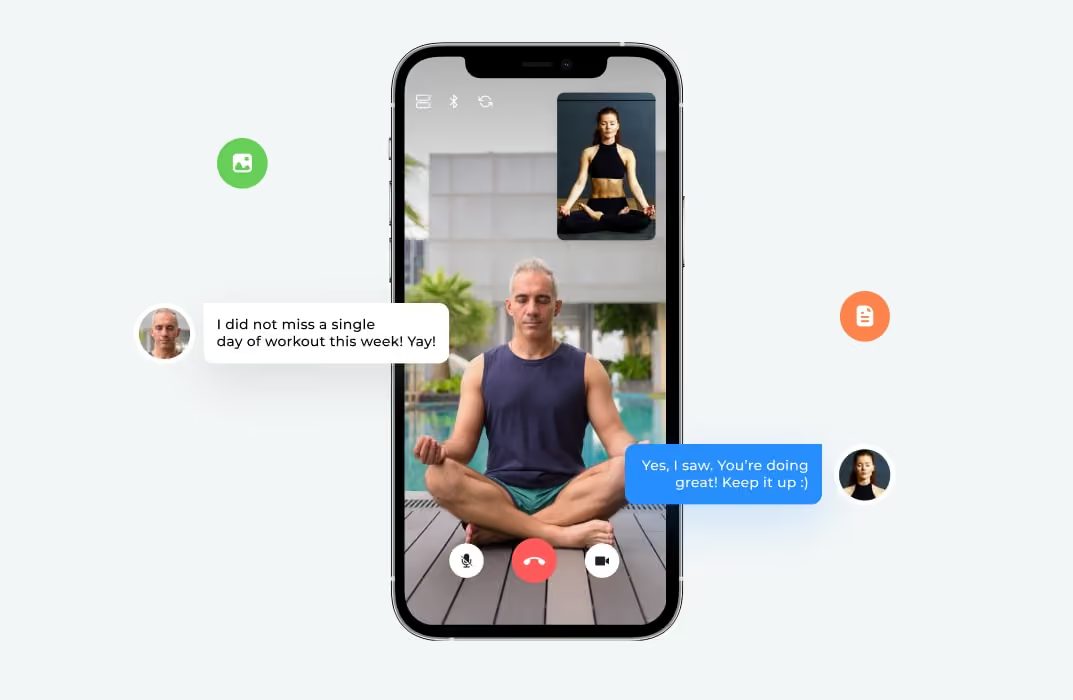
These meetings can be scheduled depending on what works best for everyone involved. During these sessions, coaches should assess how far each client has come since starting the program and identify areas where the clients still need further development.
It's also important to take this time to celebrate successes and provide encouragement when needed; this will help keep clients motivated throughout the entire process and stay engaged with the program until completion.
Conducting Surveys & Log Activities in a Journal
You can also track the progress by leveraging other methods, such as completing surveys or logging activities in an online journal which can then be reviewed by both coach and client together during meetings. The goal is to measure results, understand how specific behaviors have changed over time, and determine if any adjustments are required to achieve better outcomes.

Continuous Support and Regular Check-ins
Finally, once you've implemented all desired habits, you and the client must recognize that maintenance is vital to long-term success! It means continuing regular check-ins even after "graduation" from the program. You, as a coach, must continue providing support while encouraging accountability within your network of former clients. It will help them remain committed to achieving their goals post-program completion date!
Also read: Fueling Your Fitness: Unleash the Power of Functional Foods for a Healthier, Stronger You!
Providing Support and Encouragement
Providing guidance and advice is essential for successful habit coaching, as this helps clients understand the procedures they need to take to achieve their goals. Coaches should give realistic yet achievable advice on making lifestyle changes that will have a lasting impact.
In addition to this practical advice, it's also essential that coaches provide emotional support during times of difficulty; this could involve actively listening without judgment while allowing clients time and space to express themselves freely. The key here is ensuring that each client feels heard and supported throughout the process, so they feel comfortable enough with their coach for positive changes to be made!
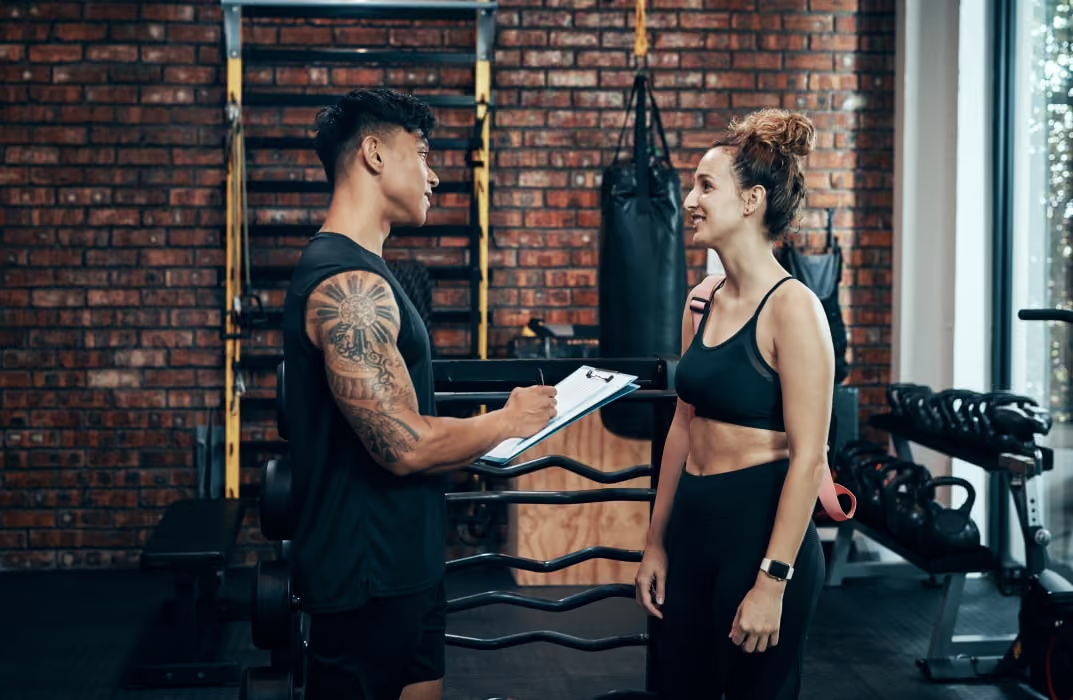
Lastly, encouraging plays an equally important role within habit coaching programs; if no one ever believes in us, why would we bother putting forth effort? As coaches, it's our job to keep clients motivated and help them believe in themselves too! This requires highlighting small successes along the way, however insignificant they may seem at first glance - every victory counts!
You can measure and improve the effectiveness of the coaching program by following these steps:
Step 1: Establishing clear objectives
The first step to measuring and improving the effectiveness of a coaching program is to establish clear objectives that define success. This includes identifying measurable outcomes such as increased knowledge, improved skills, or behavioral changes that indicate progress has been made.
Additionally, it is essential to set realistic timelines for each objective so that coaches can track their client's progress over time to determine whether any adjustments need to be made along the way.
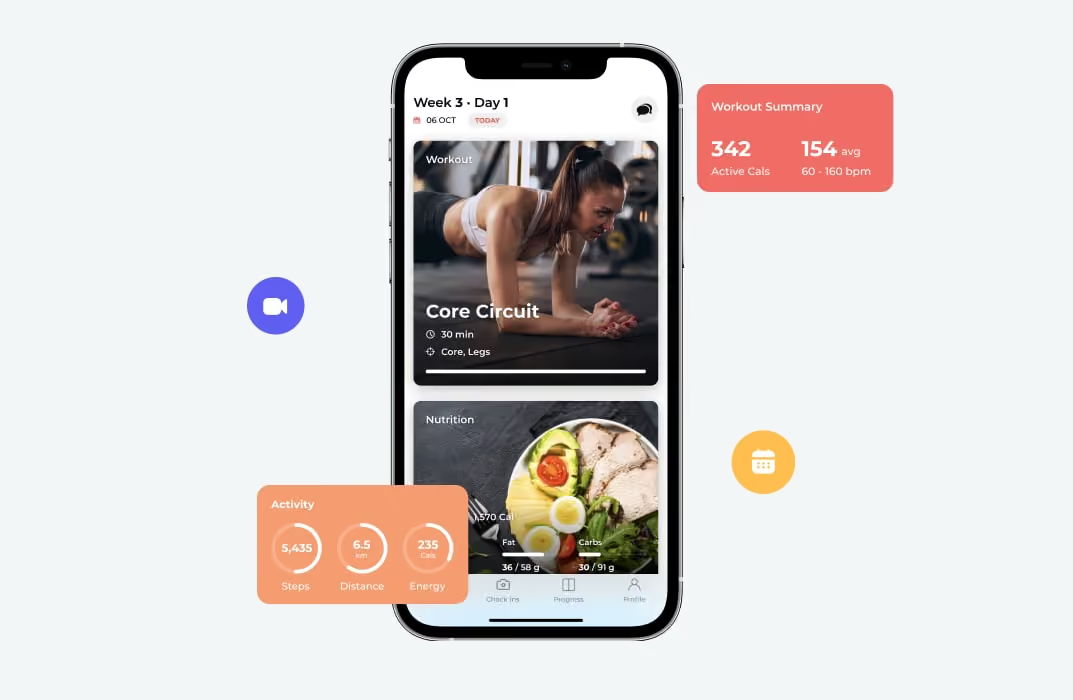
Step 2: Consistently Assessing Client Engagement
It is also essential that coaches assess client engagement throughout the program; this involves analyzing how much effort they are putting into completing tasks and staying on top of their goals between sessions.
If engagement levels appear low, then further investigation may be required to uncover what could be causing this issue, such as a lack of motivation or difficulty understanding specific concepts being taught during coaching sessions.
Once underlying problems have been identified, appropriate steps must be taken to help address them effectively, resulting in increased engagement moving forward!
Step 3: Collecting Feedback is Important
In addition, feedback must be collected at regular intervals throughout the program. This helps ensure everyone involved feels heard while providing valuable insight into how well certain aspects of the program work or if they require any improvements for future iterations. Constructive criticism should always be welcomed positively by all parties, so remember to include surveys or questionnaires at various points too!

Step 4: Regularly Review the Results
Finally, once an evaluation process has been established, it's essential for coaches to review results regularly to take action where necessary; this might mean revising existing content within modules if new information becomes available or adjusting delivery methods based on feedback received from participants - whatever works best with the overall goal in mind!
The key here is constantly striving towards making positive changes wherever possible so that participants receive the maximum benefit from their experience with you as a coach!
Also read: Boost Your Fitness Business: 15 Proven Gym Marketing Strategies
People Also Ask (PAA)
1. How can FITBUDD assist personal trainers in implementing habit coaching for clients?
FITBUDD provides personal trainers with tools to set and monitor daily habits for clients, such as water intake, step count, and workout adherence. This feature enables trainers to promote sustainable lifestyle changes and track client compliance effectively.
2. What features does FITBUDD offer to support habit formation in clients?
FITBUDD includes customizable habit trackers, detailed check-ins, and integration with wearable devices like Apple Watch and Fitbit. These features allow clients to monitor their daily activities and progress, fostering the development of healthy habits.
3. Can FITBUDD's habit coaching tools be personalized for individual client needs?
Yes, FITBUDD allows trainers to tailor habit coaching programs to each client's specific goals and lifestyle. This personalized approach enhances client engagement and the likelihood of long-term success.
4. How does FITBUDD's integration with wearable devices enhance habit tracking?
FITBUDD's integration with devices like Apple Watch and Fitbit provides real-time data on metrics such as active calories burned and lean body mass. This seamless connectivity offers trainers unparalleled insight into clients' daily habits and progress.
5. In what ways can habit coaching through FITBUDD improve client retention for fitness professionals?
Implementing habit coaching with FITBUDD helps clients achieve sustainable results by focusing on small, manageable changes. This approach leads to higher client satisfaction and retention, as clients are more likely to continue training when they experience consistent progress.
Conclusion
In conclusion, habit coaching can be a powerful tool for helping individuals achieve their goals and reach their full potential. Fitbudd can act as the perfect app to track walking miles if any client prefers walking.
Plus, its habit coaching program is designed to provide support and guidance through weekly or biweekly meetings with clients so that everyone can track their progress and ensure it's proceeding toward the desired outcome over time.
Coaches must remain flexible when adapting their programs based on participant feedback while providing emotional support whenever needed. They must regularly assess client engagement levels to determine if the program requires any changes; surveys or questionnaires are great tools that allow both coach and client insight into how practical certain aspects have been throughout the process. With these tips in mind, anyone can deliver an effective habit coaching program with Fitbudd!
Do you want to learn more about habit coaching and how it can help? Reach out to us via Instagram and let our experts assist you!


Meet the author
FitBudd
Empowering coaches and trainers to thrive, FitBudd is the ultimate personal training software for accelerated business growth.
Frequently Asked Questions

Yangzey Sherpa leads content strategy at FitBudd, overseeing content planning and execution across fitness-focused digital channels. With over five years of experience in SEO and content, she works closely with the fitness industry to ensure content aligns with the needs of coaches, trainers, and gym owners. Her role keeps her deeply connected to fitness business workflows, coaching models, and how professionals use digital platforms to grow.


Apra Pathak has worked closely within the fitness niche for several years, supporting personal trainers and fitness coaches through content and digital marketing initiatives. Her experience centers on understanding how fitness professionals build visibility, communicate value, and engage clients online. Through sustained involvement with fitness-focused platforms and audiences, she has developed a strong understanding of the digital needs and growth challenges faced by modern fitness businesses.

Aishwarya Mehra has been actively involved in fitness-focused digital marketing, working closely with brands and platforms that serve coaches, trainers, and fitness businesses. Her experience spans engagement-driven strategies designed specifically for fitness audiences. Through ongoing exposure to fitness campaigns and communities, she remains closely aligned with how fitness professionals attract, convert, and retain clients in digital environments.

Suchandra Das has contributed content within the fitness niche, working on resources designed for coaches, trainers, and fitness business owners. Her experience involves supporting fitness-related topics with clear, structured, and accessible content. Through consistent involvement with fitness-focused platforms, she has developed familiarity with coaching workflows, client communication, and the informational needs of fitness professionals.
FitBudd is a fitness technology platform built exclusively for coaches, personal trainers, gym owners, and fitness professionals. The platform supports fitness businesses through branded apps, white-labeled solutions, and websites designed around real coaching and training workflows. FitBudd works closely with the global fitness community, maintaining deep, ongoing involvement in the fitness industry.

Ankit Uniyal has worked extensively with fitness-focused content, supporting platforms that cater to personal trainers, gym owners, and fitness professionals. His experience includes optimizing and structuring content around fitness-related search behavior and user intent. Through continued involvement in the fitness niche, he has gained a strong understanding of how trainers and coaches build discoverability and authority online.

Saumya Mittal is the Co-Founder and CEO of FitBudd. Since 2021, she has been actively engaged in the fitness technology sector, collaborating with global fitness companies to foster digital growth and scalable operations. With over a decade of experience leading high-impact projects in engineering and operations, Saumya has a strong background in developing reliable and scalable systems. Through FitBudd, she is dedicated to addressing the evolving needs of fitness professionals worldwide.

Kinshuk Snehi has been closely involved in the fitness space for over four years. Through his work at FitBudd, he has contributed to shaping how fitness professionals build their online presence, attract clients, and scale sustainable coaching businesses. Deeply interested in the intersection of fitness, technology, and growth, Kinshuk brings a hands-on understanding of the challenges faced by modern trainers. His passion lies in building systems and strategies that support long-term consistency, both in fitness journeys and business growth.

Kanika Verma has been closely involved in building solutions for the fitness industry, working with platforms used by coaches and trainers globally. Her experience includes direct exposure to fitness coaching workflows and operational needs. Through sustained involvement in fitness-focused product development, she has developed a strong understanding of how fitness professionals manage clients, programs, and daily operations.

Tanya Sharma has worked on branding initiatives within the fitness niche, supporting fitness platforms and businesses with visual identity design. Her experience includes creating brand systems used by coaches, trainers, and fitness-focused products. Through ongoing involvement in fitness-related design projects, she remains closely connected to how fitness brands communicate trust and professionalism.

Niharika Sonavane has contributed to visual design projects within the fitness industry, supporting platforms and brands serving fitness professionals. Her experience spans creating digital assets used across fitness apps, websites, and marketing materials. Through continued work in the fitness niche, she remains closely aligned with the visual communication needs of coaches and fitness businesses.

Elesh Patel has worked extensively on marketing initiatives within the fitness niche, managing paid campaigns for fitness-focused products and services. His experience includes supporting platforms that target personal trainers, gym owners, and fitness creators. Through long-term involvement in fitness marketing, he remains closely connected to how fitness professionals discover and adopt digital tools.


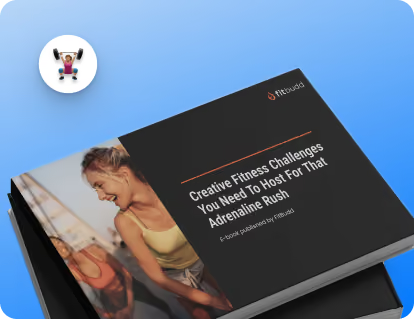
Creative Fitness Challenges Ebook
Discover exciting challenges to boost your workouts and keep your fitness journey thrilling.
Download Now
Templates
These functional templates have the power to make any fitness trainer's life easier.
Subscribe To
Our Blog