Are You Earning Up to Your Potential?
Most personal trainers are undervaluing their time and skills. Our Personal trainer Revenue Calculator helps you find out what you should be making, and how to get there.
No guesswork. Just real numbers.
.webp)
The fitness industry has undergone a significant transformation in recent years, with a growing emphasis on sustainability and eco-friendly practices. As influential figures in the fitness world, personal trainers have a unique opportunity to champion these green initiatives and positively impact the environment. This blog will explore sustainable fitness and various eco-friendly practices that personal trainers can adopt. By doing so, not only canpersonal fitness trainers and trainers enhance their clients' well-being, but they can also contribute to a healthier planet.
The Green Gym Movement
One of the most exciting developments in the fitness industry is the emergence of eco-friendly gyms, often called "green gyms." These fitness facilities are designed sustainably, incorporating energy-efficient equipment, renewable energy sources, and eco-friendly building materials. Green gyms also focus on reducing waste and minimizing carbon footprint.
As a personal trainer, you can seek out or promote these green gyms to your clients, allowing them to work out while minimizing their environmental impact.

Sustainable Workout Gear
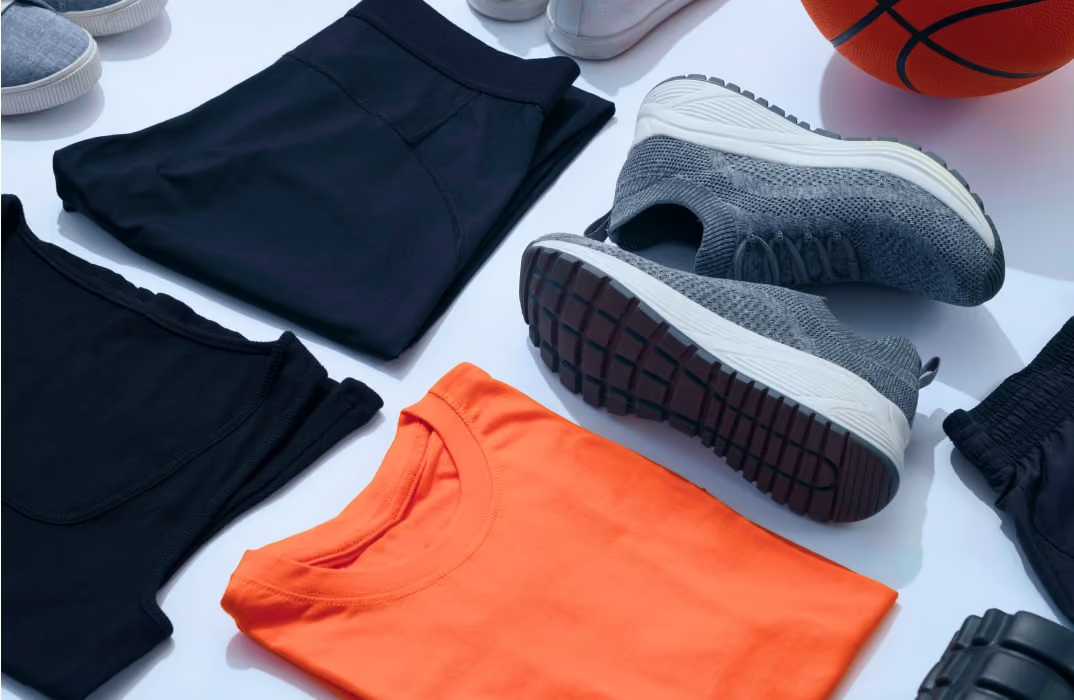
Personal trainers can also encourage their clients to make eco-conscious choices regarding workout attire. Traditional workout clothing is often made from synthetic materials like polyester, which can take hundreds of years to decompose in landfills. Encourage your clients to invest in sustainable workout gear from recycled materials or organic fabrics.
Brands like Patagonia and prAna offer eco-friendly activewear options that are both stylish and sustainable.
💪 Got an idea for a brand? Let's bring it to life.
Launch your own fitness app with FitBudd in minutes!
💪 Got your brand name? Let’s bring it to life.
Launch your own fitness app with FitBudd in minutes!



88% trainers worldwide gave us 5 stars
Transform your fitness business with the power of your branded app on iOS and Android.
Try for FREESustainable Nutrition
Nutrition plays a crucial role in achieving fitness goals, and personal trainers can guide their clients towards sustainable dietary choices.
Sustainable nutrition is a holistic approach to food consumption that prioritizes personal health and considers the planet's long-term well-being. It involves making mindful choices supporting individual nutrition goals and environmental sustainability. This includes opting for locally sourced and seasonal foods to reduce carbon emissions associated with transportation, choosing plant-based or sustainably sourced protein options to lessen the environmental impact of meat production, and reducing food waste through proper meal planning and storage. Sustainable nutrition recognizes that our dietary choices have a profound impact on the planet and future generations, emphasizing a balance between health-conscious eating and responsible environmental stewardship
Additionally, promote locally sourced and seasonal foods to reduce the carbon footprint associated with transportation. Sustainable nutrition benefits the environment and can improve overall health and fitness.
Also read: Fueling Your Fitness Journey: Understanding the Basics of Nutrition for Optimal Performance

Active Transportation
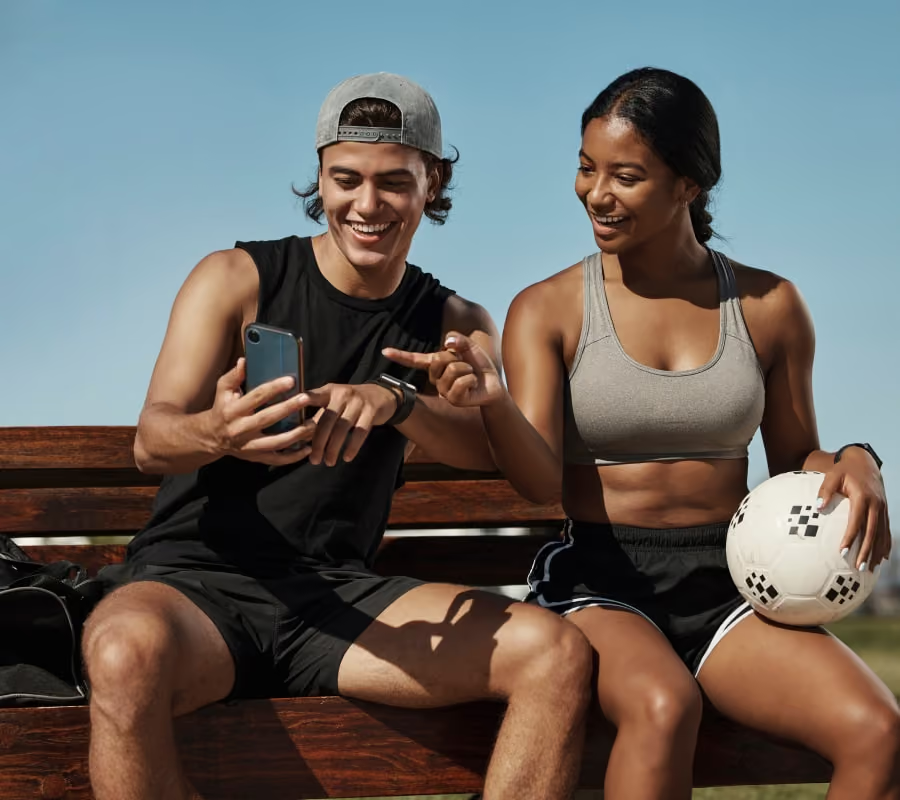
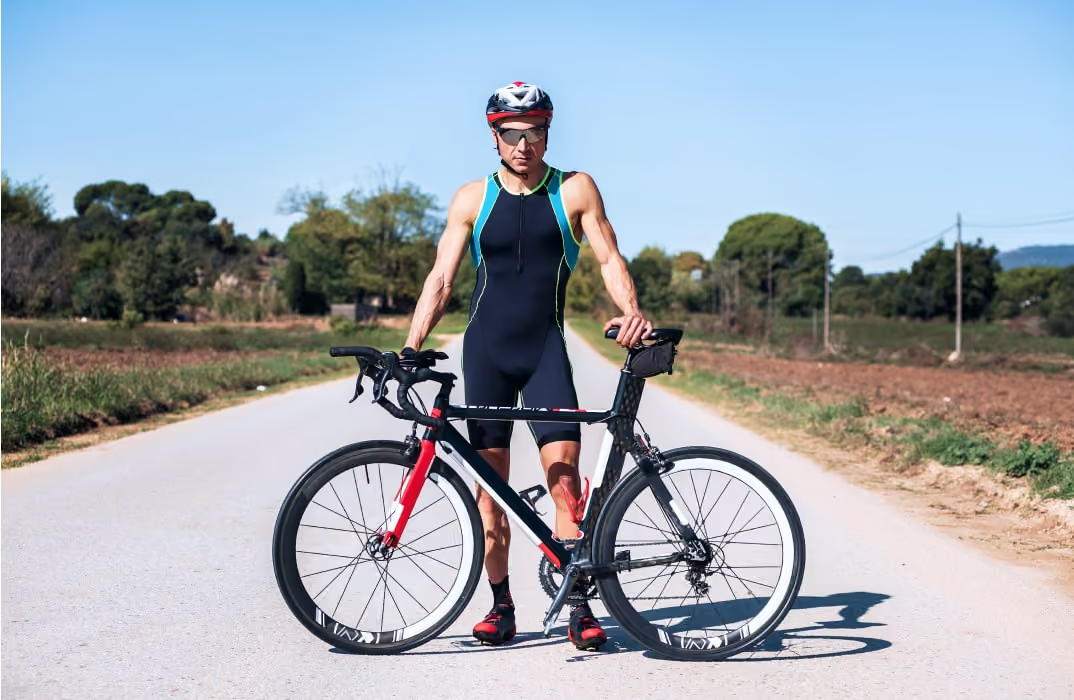
As a personal trainer, you can set an example by adopting sustainable transportation methods. Consider cycling or walking to your training sessions whenever possible, reducing your carbon footprint and promoting an active lifestyle. Encourage your clients to do the same by incorporating walking or biking into their daily routines.
You can also organize group fitness activities like hiking or outdoor boot camps, which provide an excellent and intense workout and connect people with nature.
Eco-Friendly Workouts
Personal trainers can design workouts that have a minimal environmental impact. Outdoor workouts, such as bodyweight exercises in a park or beach yoga sessions, are excellent options. These workouts require little equipment and allow clients to connect with nature.
Opt for eco-friendly options like wooden dumbbells or resistance bands made from natural latex when using the equipment. Additionally, educate your clients on the importance of cleaning up after outdoor workouts, leaving no trace behind.

Waste Reduction
Waste reduction is a crucial component of sustainable living and responsible resource management. It involves minimizing the generation of waste materials and finding ways to reuse, recycle, or dispose of waste in environmentally friendly ways. This practice extends to various aspects of life, including physical activity and fitness.
Reducing waste is a crucial aspect of sustainability. Personal trainers can encourage clients to bring reusable water bottles and containers to their training sessions instead of disposable ones.
Consider organizing litter clean-up activities in your local community to give back and raise awareness among civic and social organizations about the importance of waste reduction. By minimizing single-use plastics and encouraging recycling, you can significantly impact the environment.

Here are some additional ways to achieve waste reduction in the fitness context:
- Reusable Water Bottles: Encourage the use of reusable water bottles instead of single-use plastic bottles. This reduces plastic waste and encourages proper hydration during workouts.
- Eco-Friendly Workout Gear: Choose exercise clothing and equipment made from sustainable materials, such as recycled fabrics or natural fibers. High-quality, durable gear lasts longer, reducing the need for frequent replacements.
- Digital Workouts: Utilize digital platforms for workout routines and training plans, reducing the need for printed materials like workout sheets and schedules.
- Minimal Packaging: Opt for fitness supplements and snacks that come in minimal or eco-friendly packaging. Bulk purchasing can also reduce packaging waste.
- Eco-Friendly Gym Facilities: Select fitness facilities that prioritize sustainability by using energy-efficient lighting, eco-friendly cleaning products, and recycling programs.
- Donation and Recycling: Encourage clients to donate or recycle old workout equipment rather than dispose of it in landfills. Some gyms also offer equipment recycling programs.
- Composting: Promote composting of organic waste generated during fitness activities, such as fruit peels or coffee grounds, from pre-workout snacks.
- Eco-Friendly Transport: Encourage clients to use eco-friendly modes of transportation to the gym, such as biking or carpooling, reducing their carbon footprint.
By integrating these waste reduction practices into fitness routines and exercise programs, personal trainers, health clubs and individuals can positively impact the environment while maintaining a healthy lifestyle.
Energy-Efficient Practices
Consider implementing energy-efficient practices if you have a fitness studio or training space. Install energy-efficient lighting, heating, and cooling systems to reduce electricity consumption. Use natural light whenever possible to reduce the need for artificial lighting during the day. Also, consider investing in renewable energy sources like solar panels to power your training facility.
Trainers can also emphasize using energy-efficient exercise equipment and proper maintenance to reduce energy consumption. Furthermore, a program incorporating interval training and high-intensity workouts can help clients achieve their fitness goals in less time, ultimately saving energy and promoting sustainability.
By adopting these energy-conscious strategies, personal training sessions can be both effective for clients and environmentally responsible.
These initiatives reduce your environmental footprint and can lead to cost savings in the long run.

Mindful Consumption
Sustainable fitness isn't just about physical practices; it's also about mindfulness.
Mindful consumption is essential for eco-friendly fitness, and a certified personal trainer can play a crucial role in guiding individuals toward more, sustainable fitness habit and choices. These trainers can educate their clients about eco-conscious fitness equipment, emphasizing quality over quantity to reduce unnecessary waste. Additionally, they can encourage clients to opt for eco-friendly workout apparel made from sustainable materials. By fostering mindfulness in their clients' consumption habits, certified personal trainers contribute to a healthier planet while helping motivate individuals to achieve their fitness goals in an environmentally responsible way.
Promote quality over quantity and help clients make informed decisions about the sports medicine fitness products they purchase.

Education and Awareness: The Role of Personal Trainers
Personal trainers can play a significant role in educating their clients about the importance of sustainability in the fitness industry. Educating individuals about the long-term benefits of adopting healthy and eco-friendly fitness practices can inspire them to make conscious choices that improve their well-being and reduce their environmental footprint. Provide resources and information about eco-friendly practices, such as articles, videos, or workshops. Encourage your clients to stay informed about sustainability trends and initiatives within the fitness industry.
Awareness campaigns can highlight the importance of selecting sustainable workout equipment, minimizing single-use plastics in fitness routines, and giving tips for choosing eco-friendly exercise venues. This knowledge empowers people to make informed decisions that align with both their fitness goals and the planet's health, ultimately contributing to a more sustainable and harmonious future for all.
The more awareness they have, the more likely they are to make environmentally conscious choices.

Setting an Example Through Personal Training
As a fitness trainer yourself, you have the opportunity to lead by example. Showcase your commitment to sustainability by incorporating green practices into your life and fitness routine. Share your experiences and successes with your clients, inspiring them to follow suit. By being a sustainability role model, you can motivate others to take action and positively impact the environment.

Conclusion
Sustainable fitness is not just a trend; it's a responsible way to approach health and wellness in an era where environmental concerns are paramount. Personal trainers have a unique platform to promote eco-friendly practices within the fitness industry.
By incorporating green initiatives into your workout plan and your training sessions and educating your clients about sustainable choices, you can contribute to a healthier planet while helping individuals achieve their fitness goals. Together, personal trainers and their clients can make a lasting impact on both personal well-being and the well-being of the Earth. Embrace sustainable fitness practices, and let’s work towards a healthier, more eco-friendly future.
Related post:
Eco-Friendly Gym Design: Tips for Sustainable Practices in Fitness Spaces


Meet the author
Apra Pathak
Meet Apra Pathak, a social media virtuoso and expert blogger dedicated to helping personal trainers thrive digitally.
Frequently Asked Questions

Yangzey Sherpa leads content strategy at FitBudd, overseeing content planning and execution across fitness-focused digital channels. With over five years of experience in SEO and content, she works closely with the fitness industry to ensure content aligns with the needs of coaches, trainers, and gym owners. Her role keeps her deeply connected to fitness business workflows, coaching models, and how professionals use digital platforms to grow.


Apra Pathak has worked closely within the fitness niche for several years, supporting personal trainers and fitness coaches through content and digital marketing initiatives. Her experience centers on understanding how fitness professionals build visibility, communicate value, and engage clients online. Through sustained involvement with fitness-focused platforms and audiences, she has developed a strong understanding of the digital needs and growth challenges faced by modern fitness businesses.

Aishwarya Mehra has been actively involved in fitness-focused digital marketing, working closely with brands and platforms that serve coaches, trainers, and fitness businesses. Her experience spans engagement-driven strategies designed specifically for fitness audiences. Through ongoing exposure to fitness campaigns and communities, she remains closely aligned with how fitness professionals attract, convert, and retain clients in digital environments.

Suchandra Das has contributed content within the fitness niche, working on resources designed for coaches, trainers, and fitness business owners. Her experience involves supporting fitness-related topics with clear, structured, and accessible content. Through consistent involvement with fitness-focused platforms, she has developed familiarity with coaching workflows, client communication, and the informational needs of fitness professionals.
FitBudd is a fitness technology platform built exclusively for coaches, personal trainers, gym owners, and fitness professionals. The platform supports fitness businesses through branded apps, white-labeled solutions, and websites designed around real coaching and training workflows. FitBudd works closely with the global fitness community, maintaining deep, ongoing involvement in the fitness industry.

Ankit Uniyal has worked extensively with fitness-focused content, supporting platforms that cater to personal trainers, gym owners, and fitness professionals. His experience includes optimizing and structuring content around fitness-related search behavior and user intent. Through continued involvement in the fitness niche, he has gained a strong understanding of how trainers and coaches build discoverability and authority online.

Saumya Mittal is the Co-Founder and CEO of FitBudd. Since 2021, she has been actively engaged in the fitness technology sector, collaborating with global fitness companies to foster digital growth and scalable operations. With over a decade of experience leading high-impact projects in engineering and operations, Saumya has a strong background in developing reliable and scalable systems. Through FitBudd, she is dedicated to addressing the evolving needs of fitness professionals worldwide.

Kinshuk Snehi has been closely involved in the fitness space for over four years. Through his work at FitBudd, he has contributed to shaping how fitness professionals build their online presence, attract clients, and scale sustainable coaching businesses. Deeply interested in the intersection of fitness, technology, and growth, Kinshuk brings a hands-on understanding of the challenges faced by modern trainers. His passion lies in building systems and strategies that support long-term consistency, both in fitness journeys and business growth.

Kanika Verma has been closely involved in building solutions for the fitness industry, working with platforms used by coaches and trainers globally. Her experience includes direct exposure to fitness coaching workflows and operational needs. Through sustained involvement in fitness-focused product development, she has developed a strong understanding of how fitness professionals manage clients, programs, and daily operations.

Tanya Sharma has worked on branding initiatives within the fitness niche, supporting fitness platforms and businesses with visual identity design. Her experience includes creating brand systems used by coaches, trainers, and fitness-focused products. Through ongoing involvement in fitness-related design projects, she remains closely connected to how fitness brands communicate trust and professionalism.

Niharika Sonavane has contributed to visual design projects within the fitness industry, supporting platforms and brands serving fitness professionals. Her experience spans creating digital assets used across fitness apps, websites, and marketing materials. Through continued work in the fitness niche, she remains closely aligned with the visual communication needs of coaches and fitness businesses.

Elesh Patel has worked extensively on marketing initiatives within the fitness niche, managing paid campaigns for fitness-focused products and services. His experience includes supporting platforms that target personal trainers, gym owners, and fitness creators. Through long-term involvement in fitness marketing, he remains closely connected to how fitness professionals discover and adopt digital tools.




Food Log Template
Track your dietary intake and make informed choices with our convenient food log template.
Download Now
Templates
These functional templates have the power to make any fitness trainer's life easier.
Subscribe To
Our Blog
.avif)
.avif)