.avif)






10 min read
95% of dieters regain their weight within 2 years. But coaches using structured diet breaks report that this drops to 63%. The difference? Strategic recovery periods that work WITH the body's biology, not against it.
Many clients push hard during fat-loss phases, yet their energy drops fast. You might see hunger rise, moods crash, and workouts slow. Many people feel guilty when they even think about taking a break. They worry about breaking diet rules or losing progress.
A diet break is not a failure. It is a deliberate tool that helps clients stay consistent without burning out from a caloric deficit. When used at the right time, diet breaks help people stay motivated, eat with confidence, and train with better focus.
“A well-planned break does not slow progress. It protects it.”
Before you decide if your client needs a diet break, you must understand how it works, when to use it, and how to explain it in a simple, supportive way. That’s exactly what this guide will help you do.
What Is a Diet Break?
A diet break is a short, planned phase where your client returns to their maintenance calories instead of staying in a strict deficit. This shift helps restore energy, improve training quality, and reduce the stress caused by long dieting periods by allowing for more calories.
During a diet break, clients increase their food intake enough to support stable body weight while easing the pressure created by continuous energy restriction. This approach protects lean body mass and supports better performance during heavy training weeks.
Recent research shows that structured diet breaks improve body composition, help maintain resting metabolic rate, and support a smoother weight loss journey.
A 2018 study in the International Journal of Obesity found that intermittent energy restriction resulted in 31% greater fat loss (14.1 kg vs 9.1 kg) compared to continuous restriction over 30 weeks.
What a Diet Break Actually Does
A diet break supports essential adjustments during intermittent energy restriction:
- Restores normal energy intake
- Reduces hunger levels during tough dieting blocks
- Supports better recovery in both upper-body and lower-body sessions
- Helps maintain fat-free mass
- Reduces fatigue from continuous energy deficit
- Improves training output in a resistance training program
What a Diet Break Is Not
A diet break is not:
- Random cheat meals
- Emotional eating after stressful days
- A reason to add extra calories without structure
- A replacement for a long-term diet plan
It is a strategic pause meant to protect progress.
Why Diet Breaks Work Well
Research shows metabolic rate can drop by 10-15% beyond what's expected from weight loss alone during prolonged restriction.
Returning to maintenance calories during dieting reduces negative consequences like metabolic adaptation and sharp drops in energy expenditure. These adjustments support better fat loss results and muscle retention , especially during long fat loss phases.
Clients also feel more energy, enjoy higher carbohydrate intake, and recover better during training when they step out of a prolonged calorie deficit.
A Clear Comparison for Clients
Use this table to show clients the purpose of a diet break during check-ins:
A structured diet break keeps clients consistent, lowers stress, and supports long-term fat-loss goals without burning them out.
Why Clients Feel Like Breaking the Diet
Many clients reach a point where dieting feels emotionally and physically exhausting. When fatigue rises, breaking diet rules feels easier than staying consistent, mainly when their calorie intake stays low for many weeks.
Most people are not trying to quit their diet plan. They simply feel overwhelmed by cravings, low energy, and the mental strain of long dieting phases. A structured diet break becomes far more effective than pushing harder without support.
The urge to break the diet usually comes from predictable triggers that build up quietly over time.
Common Triggers Behind Diet Fatigue
- Extended negative energy balance with no relief
- Low carbohydrate intake increases cravings
- Stress from long periods of energy restriction
- Emotional burnout during a demanding weight loss journey
- Drops in body weight that heighten hunger signals
- Hard training phases that raise energy expenditure
Clients often believe they lack discipline when in reality, their body is simply asking for a pause. Hunger, mood swings, poor sleep, and slow recovery make dieting feel harder than expected and can lead to fat gain.
Your job is not to stop them from expressing these feelings. Your job is to prevent them from reacting impulsively. The goal is not letting them break the diet in frustration, but teaching them how to break free from dieting patterns that feel rigid and unsustainable for a successful lifestyle change .
Why Diet Fatigue Happens Physiologically
Several biological changes contribute to these struggles:
- Resting energy expenditure drops after a long dieting
- Hunger hormones rise as body fat lowers
- Food intake becomes too low to support training
- Metabolic adaptation slows fat loss efficiency
- Recovery decreases, even with a structured resistance training program
These shifts create real fatigue, not imagined weakness. They also make adherence harder, especially during weeks spent in a steady calorie deficit.
Why a Structured Break Works Better Than Giving Up
A controlled diet break prevents emotional decisions while supporting long-term progress. It helps:
- Improve energy during demanding training blocks
- Reduce cravings that lead to unplanned cheat meals
- Stabilize hydration, preventing water weight swings
- Protect muscle mass and lean body mass during dieting
- Maintain motivation when the process feels overwhelming
Most clients feel relieved when they understand that taking a diet break is not failure. It is a strategic pause that supports better progress over time.
Signs Your Client Actually Needs a Diet Break
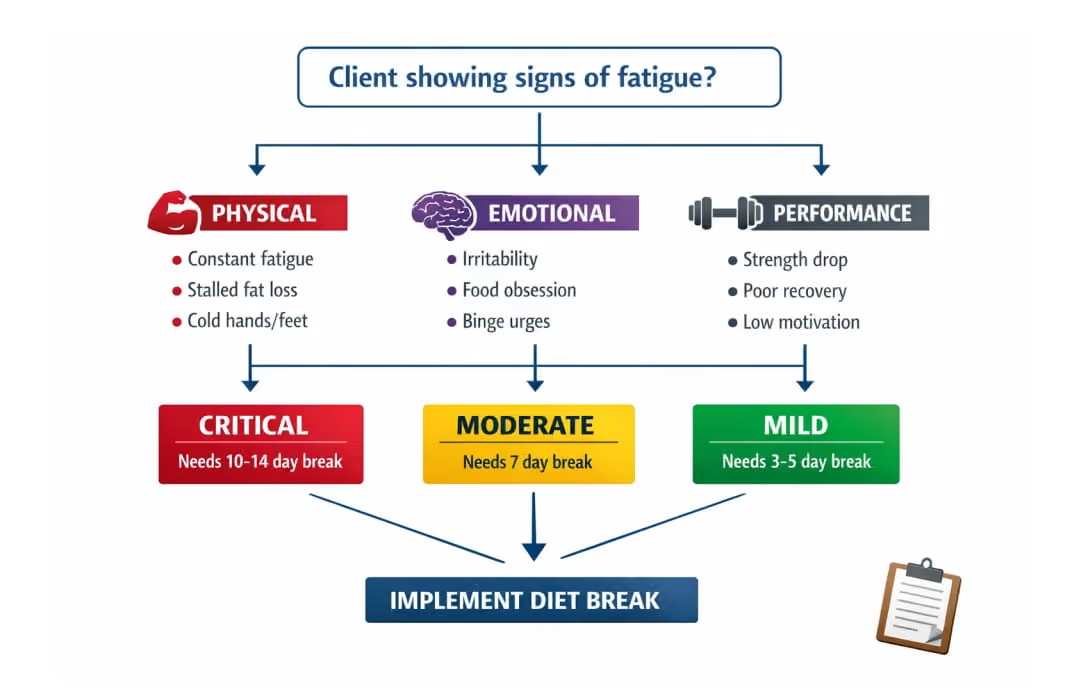
A diet break isn’t something you throw into a plan randomly — there are clear physical, emotional, and performance-based indicators that tell you a client genuinely needs one.
When weeks spent in an energy deficit start creating negative energy balance symptoms, both body weight and adherence may lead to gaining more weight. This is where a structured diet break can help restore energy intake, stabilize hunger levels, and support better long-term results.
Physical Signs
- Constant fatigue even with enough sleep
- Drops in training performance due to low energy expenditure
- Stalled fat loss despite reduced calorie intake
- Noticeable decrease in resting metabolic rate or metabolic adaptations
- Feeling colder, reduced NEAT, signs of muscle mass loss
Emotional Signs
- Increased irritability and cravings
- Rising binge eating tendencies
- Higher dietary restraint that feels unsustainable
- Feeling mentally checked out of the weight loss journey
- Obsession with food choices or cheat meals
Performance Signs
- Decline in strength during a resistance training program
- Low motivation to train
- Difficulty recovering between sessions
- Reduced power output in both upper-body and lower-body lifts
- Stagnation despite more carbs or extra calories on training days
Biological vs Psychological vs Behavioral Fatigue
How Long Should a Diet Break Be?
The ideal timeline for a diet break depends on your client’s goal, training phase, and how long they’ve been in a calorie deficit. A well-planned break helps restore energy balance, regulate hunger levels, and stabilize body weight without derailing the fat loss phase. The goal is simple: give the body enough time to recover from negative energy balance without pushing into unnecessary weight gain.
Most clients respond well to structured breaks lasting between three days and fourteen days. Shorter breaks help reduce mental fatigue, while longer ones give the metabolic rate time to stabilize. Research suggests that brief periods of higher energy intake can support lean body mass and reduce the impact of metabolic adaptation.
When a 3–5 Day Diet Break Works Best
- Clients showing small signs of fatigue
- Lifestyle clients with mild calorie restriction
- Weeks where hunger levels spike due to higher training volume
- Short recovery periods during a resistance training program
When a 7-Day Diet Break Is More Effective
- Clients with moderate fatigue
- Gen-pop clients experiencing early metabolic adaptations
- When adherence begins to slip
- After eight weeks of continuous dieting
When a 10–14 Day Diet Break Is Needed
- Athletes in an aggressive fat loss phase
- Clients with stalled progress despite lower calorie intake
- Noticeable drops in performance and energy expenditure
- Signs of muscle retention issues or declining fat free mass
- When body fat percentage stops responding despite consistent effort
How Long Should You Stay in a Calorie Deficit?
Clients often worry about how long they should push through a calorie deficit before taking a strategic pause.
The truth is simple: no one should stay in a deficit forever, and incorporating refeed days can be beneficial. The body adapts, energy expenditure drops, hunger levels rise, and progress slows. That’s when a diet break becomes a smart coaching tool instead of a setback.
Most clients can comfortably remain in a deficit for 6 to 12 weeks before the negative consequences begin to show. Past that point, metabolic adaptation becomes noticeable, and the body fights further weight loss. This is where trainers should watch for changes in body weight trends, reduced tolerance for energy intake, and shifts in body composition. Tools like a fat loss calculator make it easier to set realistic deficit targets and recalibrate after a diet break, instead of guessing the next phase's calorie numbers.
How Long Does Calorie Deficit Take to Work?
Most clients start seeing changes within 2 to 4 weeks. These early results often include water weight shifts, small changes in fat loss, and improved dietary structure. Real body composition changes take longer, especially when clients want to lose fat mass while preserving lean body mass.
Signals Your Client Has Stayed in a Deficit Too Long
- Slower fat loss despite lower calorie intake
- Constant fatigue in upper-body and lower-body workouts
- Dropping performance in a resistance training program
- Higher hunger levels and cravings
- Trouble sticking to clean eating or a structured diet plan
- A noticeable decline in metabolic rate
Safe Timelines for Different Clients
Lifestyle Clients
- Stay in a deficit for 6–8 weeks
- Take a 3–7 day diet break when adherence drops
Athletes in a Fat Loss Phase
- Stay in a deficit for 8–12 weeks
- Take 7–14-day breaks depending on training intensity
High Body Fat Percentage Clients
- Can push 10–12 weeks
- Still need short diet breaks to prevent metabolic adaptations
Why Staying Too Long Hurts Results
- Reduced energy balance
- Lower resting metabolic rate
- Higher chances of binge eating
- Loss of fat-free mass
- Increased stress and dietary restraint
- Higher likelihood of rebound weight gain
The goal is long-term success, not temporary restriction. Structured phases of energy restriction followed by intentional recovery help clients achieve better body composition without burning out.
Matador Dieting: A Strategic Model for Smarter Breaks
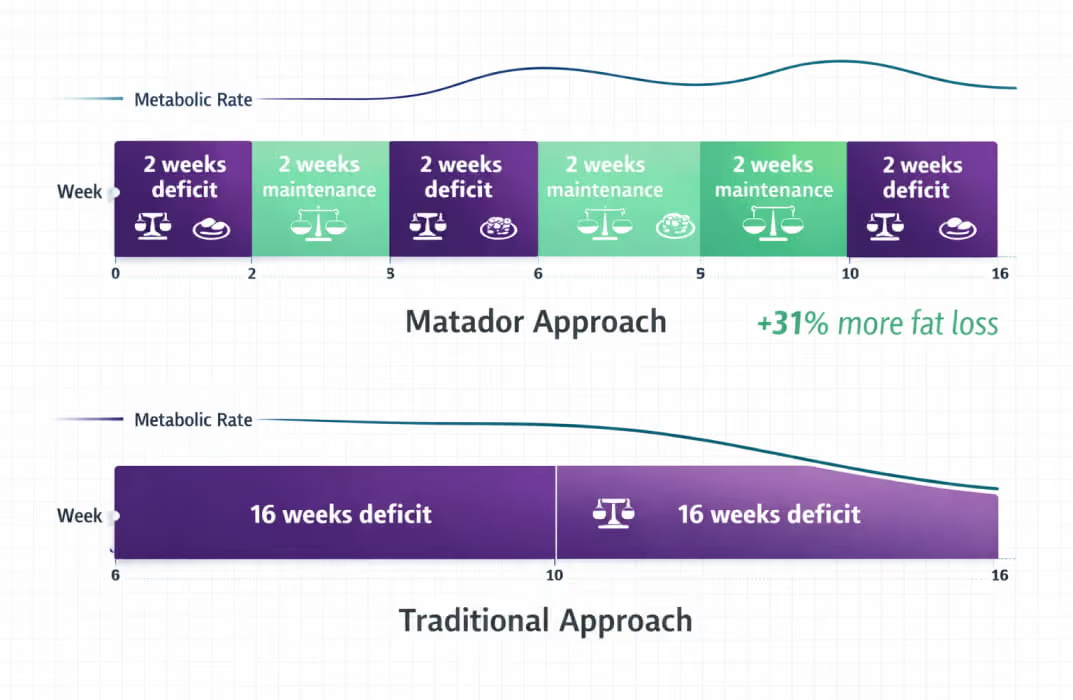
Matador dieting is one of the most structured ways to alternate between energy restriction and intentional recovery. Instead of dieting nonstop, clients rotate between planned deficit phases and maintenance phases.
This helps manage hunger levels, protect muscle mass, and reduce metabolic adaptations that often slow weight loss.
The idea is simple: shorter periods of calorie deficit paired with controlled weeks of maintenance calories. These planned breaks help stabilize energy balance, support better training performance, and allow clients to maintain lean body mass while still losing weight.
How Matador Dieting Works
The classic model alternates two weeks of dieting with two weeks of maintenance. This approach reduces the drop in metabolic rate that usually happens with continuous restriction. Clients feel more energy, improve adherence, and avoid the burnout that leads to binge eating or emotional slipping.
Benefits for Clients and Athletes
- Better preservation of muscle mass during the fat loss phase
- Improved compliance over eight weeks or longer
- Increased training performance, especially in resistance programs
- Reduced stress and less dietary restraint
- Stronger ability to maintain fat loss without rebound weight gain
MATADOR vs. Standard Diet Break (Comparison Table)
How to Program Matador Dieting for Clients
- Use two-week dieting blocks for clients with moderate body fat
- Adjust calorie intake based on body weight trends
- Add more carbs during maintenance weeks to support training
- Monitor hunger levels to avoid overeating
- Keep protein intake steady across all phases
- Track changes in fat mass and percent body fat for precision
The structure gives clients more energy, reduces negative consequences, and encourages a healthier relationship with food choices. With a clear pattern of restriction and recovery, matador dieting becomes a long term method that supports consistent fat loss and better adherence.
The Science Behind Diet Breaks (Research + Practical Coaching)
Understanding the science behind a diet break helps trainers explain why it works and when to use it. When clients spend weeks in a calorie deficit, the body naturally lowers energy expenditure to protect itself. Hunger levels rise, metabolic rate slows, and performance drops. A well-timed diet break helps reduce these adaptations and supports better long-term progress.
A structured break works because it restores energy balance without pushing clients into uncontrolled weight gain.
For most people, maintenance calories allow the body to relax from continuous energy restriction. This improves mood, training quality, and overall adherence during the next fat loss phase. It also helps stabilize body weight and reduces the risk of rebound eating.
Hormonal Response During a Diet Break
Calorie restriction lowers hormones like leptin, which regulate hunger and energy expenditure. A temporary increase in energy intake can help normalize these signals. Clients often report higher energy, better recovery, and fewer cravings during and after a break compared to traditional cheat days. This makes diet breaks a useful tool for reducing dietary restraint and preventing binge eating.
Why Hunger Regulation Improves
A modest increase in carbohydrate intake helps restore glycogen levels, thereby improving training performance. This also helps clients manage hunger more easily. Better workout quality helps maintain lean body mass while losing weight, which is essential for healthy body composition.
Stats Box: What Research Shows
- Intermittent energy restriction helps maintain fat-free mass
- Some studies show statistically significant improvements in adherence
- Short breaks reduce the negative consequences of metabolic adaptation
- Better retention of muscle mass during fat loss phases
- Improved performance in both upper-body and lower-body training
Practical Coaching Insights
- Use diet breaks to control hunger and enhance recovery
- Keep protein intake steady to protect lean body mass
- Monitor body composition using methods like bioelectrical impedance analysis
- Avoid pushing clients through long periods of negative energy balance
- Encourage structured food choices instead of spontaneous cheat meals
How to Explain a Diet Break to Clients (Coach Communication Guide)
Many clients feel guilty when you suggest a diet break because they think it means they’re “giving up” or “slipping.” Your job is to reframe it. A diet break is not breaking the diet—it’s a strategic decision to improve energy balance, stabilize hunger, and support long-term fat loss. When clients understand this, they stop fearing the process and start embracing it.
Clear communication helps clients break free from dieting cycles that feel restrictive or stressful. It also reduces the emotional burden that often leads to binge eating or frustration. Treat the break as part of the plan—not a deviation from it.
Simple Ways to Explain a Diet Break
- “A diet break helps your body reset so you can keep making progress.”
- “We’re increasing calories on purpose to support performance and recovery.”
- “This is how we maintain muscle while continuing your weight loss journey.”
- “This break helps prevent the metabolic slowdown that stops fat loss.”
What Clients Should Expect
- More energy in daily life and workouts
- Better control over hunger and food choices
- Improved performance during resistance training
- Stable body weight with predictable changes
- Less dietary restraint and fewer cravings
- Better mindset for the next fat loss phase
“A diet break isn’t quitting. It’s a strategic pause that helps you move forward faster.”
A clear explanation helps clients trust the process. When they understand why a diet break works, they stay committed to the plan, perform better, and feel empowered instead of restricted.
How to Program Diet Breaks (Step-by-Step)
Programming a diet break is not guesswork—it’s a structured approach that helps clients recover, maintain lean body mass, and stay consistent during long-term fat-loss phases.
The goal is to balance recovery, performance, and adherence while allowing for a mental break without slowing progress. When used correctly, diet breaks keep clients motivated, energetic, and mentally fresh.
A well-planned break is based on current progress, body weight trends, training intensity, and how long the client has been in a calorie deficit. You’re not just adding more calories—you’re giving the body a predictable window to stabilize energy balance and prepare for the next phase.
1. Choose the Break Length
- 3–5 days for mild fatigue
- 7 days for early signs of metabolic adaptation
- 10–14 days for high-stress periods or aggressive fat loss
- Longer breaks for athletes in intense training cycles
The length directly affects hunger levels, recovery, and performance during upper body and lower body sessions.
2. Bring Calories Back to Maintenance
Increase food intake slowly to reach maintenance calories.
Focus on:
- Stable protein intake
- Slight rise in carbohydrate intake for training recovery
- Controlled adjustments to prevent unnecessary weight gain
Maintenance helps normalize resting energy expenditure and supports muscle retention.
3. Keep Training Intensity Moderate
Clients should continue their resistance training program but avoid overreaching.
Good guidelines:
- Maintain strength work
- Moderate volume
- Keep technique sharp
- Use the extra energy to improve session quality
Performance data
Clients maintaining 80-85% of training intensity during diet breaks return to deficit phases with:
- 8-12% higher power output
- Better lifting technique scores
- 40% fewer injury complaints
4. Monitor Body Weight Trends
Small increases in water weight are normal during diet breaks.
Watch for:
- Stable body composition
- Consistent energy levels
- Reduced cravings
- Improved adherence
You’re looking for recovery, not dramatic fat loss during this phase.
5. Reset Hunger and Hormonal Balance
A break helps regulate signals like leptin and ghrelin, which improve appetite control.
This reduces dietary restraint and lowers the urge to binge.
Encourage:
- Balanced meals
- Clean eating habits
- Steady carbohydrate intake on training days
Clients should feel more energy, better recovery, and smoother performance. If meal variety is a sticking point during maintenance phases, a quick AI recipe generator can help clients build macro-aligned meals without falling back on the same three options every week.
6. Reassess and Return to the Fat Loss Phase
Once the break is complete:
- Recalculate calorie intake based on updated body weight
- Re-establish the caloric deficit
- Resume structured dieting or intermittent energy restriction
- Monitor early progress within the first two weeks
This transition helps clients restart their weight loss journey with better adherence and more energy.
Checklist: When to Adjust the Plan
- Fat loss has stalled for two weeks
- Clients struggle with cravings or low energy
- Training performance drops noticeably
- Body composition changes slowly despite effort
- Hunger levels remain high during negative energy balance
- Motivation declines during long periods of dieting
A diet break is a helpful tool—not a detour. Done correctly, it protects the muscles, supports recovery, and makes the next fat-loss phase more effective.
How best Fitness Software can make a difference?
Programming a diet break is only effective when it’s tracked, communicated clearly, and adjusted based on real data. This is where platforms like FitBudd make a real difference for coaches.
With FitBudd, you can manage calorie targets, monitor body weight trends, track training performance, and communicate the purpose of a diet break directly inside your client's plan. Instead of vague "eat more this week" instructions, coaches can structure maintenance phases with clarity. If nutrition is the centerpiece of your offer, purpose-built nutrition coaching software gives you the macro tracking, meal plan delivery, and check-in flows needed to run diet breaks at scale.
Coaching Mistakes to Avoid With Diet Breaks
Even though a diet break is a powerful tool, many trainers misuse it. The goal isn’t to interrupt the fat loss journey but to strengthen it. Avoiding these common mistakes helps you coach with clarity and recommend diet breaks to protect client progress, and prevent unnecessary fat gain or confusion.
1. Giving Breaks Too Often
Some trainers offer diet breaks anytime a client feels tired. This reduces the effectiveness of energy restriction and slows progress. Breaks are useful, but only when backed by data like body weight trends, hunger levels, and training performance.
What to watch:
- No meaningful fat loss for two weeks
- Noticeable metabolic adaptation
- Increased cravings or stress
2. Using a Diet Break as a “Permission Slip”
Clients may treat a diet break like cheat days, overeating far past maintenance. This leads to unnecessary weight gain, water retention, and frustration. Make sure clients understand that a break is structured, not a free-for-all.
Coach tip:
Emphasize balanced meals, stable calorie intake, and consistent food choices.
3. No Monitoring During the Break
Some trainers assume clients will naturally self-regulate. Without monitoring, clients may overshoot energy intake and lose the benefits of the break.
Monitor:
- Daily food intake
- Body weight
- Hunger signals
- Training performance
4. Not Adjusting Training Volume
A diet break often restores energy—so training should be adjusted accordingly. Keeping intensity extremely low wastes an opportunity for better performance and muscle retention.
Better approach:
- Keep intensity moderate to strong
- Maintain technique focus
- Avoid unnecessary volume spikes
5. Confusing “Breaking Diet” With a Diet Break
Clients often blur the lines between “breaking diet” emotionally and taking a structured break. Your job is to reframe it so they avoid guilt and stay consistent.
Clarify:
A break is a tool. Breaking the diet is a reaction. One builds progress; the other disrupts it.
6. Failing to Recalculate Calories After the Break
Once a diet break ends, calorie intake must be adjusted based on updated body weight and body composition. Starting the deficit too high or too low hurts progress.
Checklist:
- Reassess maintenance calories
- Restart the caloric deficit gradually
- Monitor early responses closely
7. Ignoring Early Signs of Burnout
If clients feel drained, unfocused, or mentally exhausted, waiting too long to implement diet breaks harms long term adherence.
Watch for:
- Poor recovery
- Reduced training performance
- Low motivation
- Increased irritability
Using diet breaks with precision helps clients maintain consistency, protect muscle mass, and stay motivated through longer phases of dieting. Avoiding these mistakes ensures each break supports better results, not setbacks.
Final thoughts
Diet breaks are not magic; they are a strategic tool that helps your clients stay consistent, feel better, and stick with their plan long enough to see results. When used correctly, they can improve adherence, boost training performance, and reduce the mental fatigue that comes with long dieting phases.
As a fitness coach, your job is to identify when a client truly needs a break, guide them on how to implement it, and ensure it supports their larger goals. With the right timing and structure, diet breaks can keep clients motivated, resilient, and progressing for months, not just weeks.
By building this into your coaching system, you turn short-term fixes into long-term success.
“Diet breaks work best when they’re planned, tracked, and communicated clearly. FitBudd helps coaches turn diet breaks into a structured part of their coaching system not a guessing game.”
%20to%20Become%20a%20Certified%20Personal%20Trainer-min.avif)