Are You Earning Up to Your Potential?
Most personal trainers are undervaluing their time and skills. Our Personal trainer Revenue Calculator helps you find out what you should be making, and how to get there.
No guesswork. Just real numbers.
.webp)
The Rise of Best Workout Apps for Beginners
Best workout apps for beginners are now the starting point for most new fitness journeys. People download an app before joining a gym, hiring a trainer, or buying equipment. This shift matters because trainers now have direct access to a huge pool of motivated beginners already exploring fitness apps and searching for structure.
Beginners want convenience and clarity. Apps give them exactly that. This creates the perfect opportunity for trainers to step in with expert guidance and turn casual app users into long-term clients.
1. Why Beginners Trust Digital Fitness First
New trainees often feel unsure about their fitness routine. They want privacy, direction, and a simple place to start. An app gives them step-by-step guidance without fear or confusion. This comfort makes apps their first point of contact with the fitness world.
2. Trainers Benefit When They Understand Beginner Behavior
When you know what beginners search for and what they expect from a fitness program, you can shape your coaching to match their mindset. You become the expert who simplifies the process and supports them personally.
3. How Trainers Stand Out Among Popular Apps
Most apps provide generalized templates. They do not offer accountability, feedback, or real personalization. Trainers fill that gap by offering tailored fitness plans that meet beginners where they are and guide them to where they want to be.
What Makes the Best Workout App Beginner Friendly
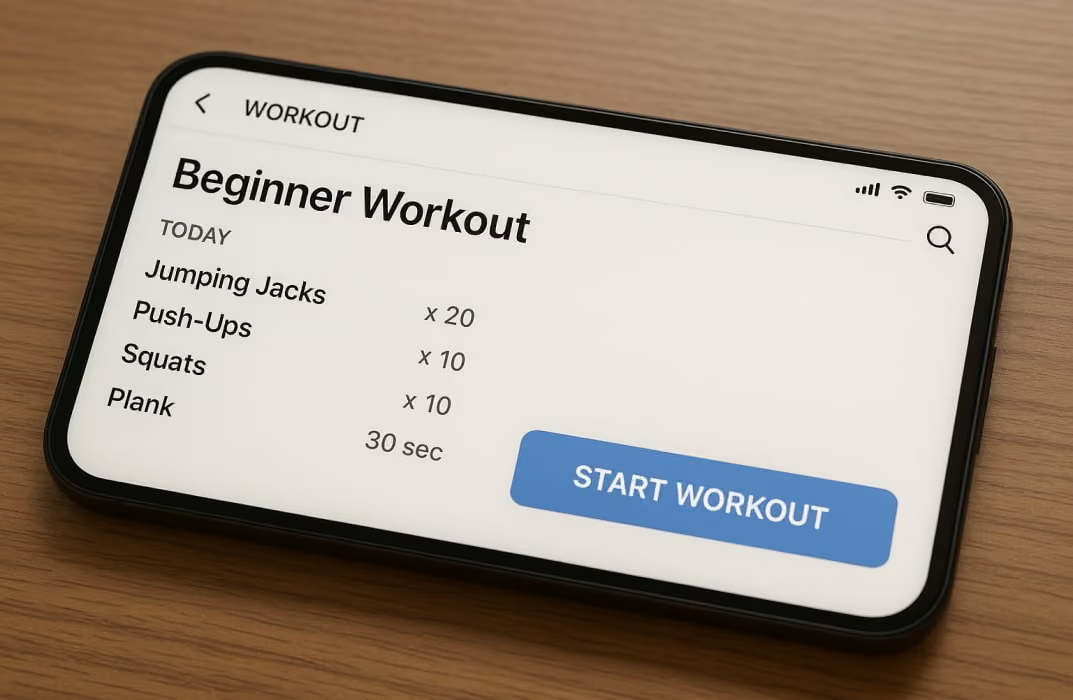
Beginners want simplicity. They are not looking for advanced programming on day one. They choose apps that feel easy, safe, and encouraging. When you understand the qualities that define the best workout app, you can shape your own services to match what beginners value most.
1. Simple Interfaces Beat Complex Programs
Beginners appreciate clear navigation, clean design, and basic tutorial flows. If a user needs to think too much, they lose motivation fast. The same applies to your coaching experience. Make it simple. Make it predictable.
2. Clear and Short Routines Win More Commitment
Long sessions often overwhelm new clients. They prefer short, approachable steps that help them stay consistent. This is where you can design beginner-friendly sessions that build confidence early in their fitness journey.
3. Features Beginners Actively Look For
Beginners trust apps that offer:
• Demonstration videos
• Structured workout routine flows
• Clear daily goals
• Adjustable difficulty levels
• Trackable fitness goals
• A free trial option
These features mirror the guidance they hope to get from a trainer.
Why Trainers Should Study Popular Workout Apps
Learning how beginners interact with workout apps gives trainers a strategic advantage. You can see what users enjoy, what confuses them, and what gaps you can fill with professional coaching.
1. App Users Already Show Intent to Improve
Anyone searching for beginner fitness apps is already motivated. They want guidance. They want structure. This makes them an ideal audience for your coaching because they are already taking action.
2. Trainers Become More Effective When They Observe User Trends
By understanding how people use apps, you can adjust your workout program design. You can create routines that feel intuitive, supportive, and easier to stick to.
3. Apps Show You What Beginners Expect From Fitness Programs
Beginners expect simplicity, clarity, and predictable progress. When your coaching delivers these qualities, you stand out instantly among trainers who still use outdated methods.
Why Beginners Prefer Home Workouts
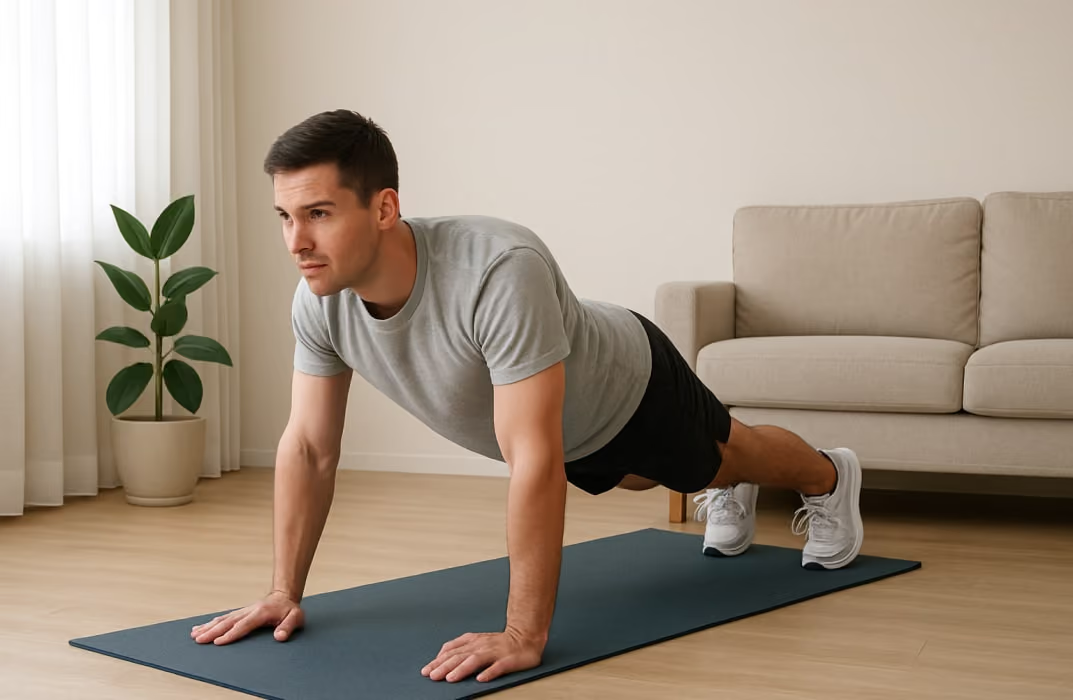
Beginners often start with home workouts because the environment feels comfortable. No crowds. No pressure. No confusion about what equipment to choose. This is why many people download a home workout app before they consider stepping into a gym.
1. Home Training Removes Barriers That Scare Beginners
Gyms can feel intimidating to new trainees. Home sessions feel familiar and safe, making consistency much easier to achieve.
2. Zero Equipment Workouts Are Highly Appealing
People love routines built around bodyweight exercises. They do not want to buy gear before they feel confident. This makes bodyweight-focused fitness apps extremely popular.
3. Trainers Can Leverage Home Workout Trends
When you design programs that match popular home workouts, you attract beginners who want structured guidance but prefer training in their own space. This expands your reach far beyond gym walls.
Also read: Create Entertaining At-Home Workouts for Your Clients: Step-by-Step Guide
💪 Got an idea for a brand? Let's bring it to life.
Launch your own fitness app with FitBudd in minutes!

💪 Got your brand name? Let’s bring it to life.
Launch your own fitness app with FitBudd in minutes!



88% trainers worldwide gave us 5 stars
Transform your fitness business with the power of your branded app on iOS and Android.
Try for FREEBeginner Behavior Snapshot
Common Searches From New Trainees
• free workout apps
• best free workout apps for beginners at home
• best workout app for beginners
• How to lose weight without equipment
• Short bodyweight exercises
• Easy workout plans
Why Trainers Should Pay Attention
These searches reveal the exact language beginners use. When your content matches these search patterns, you attract more new clients who already trust the terms and routines they see online.
App Categories That Attract Beginners Fast
Beginners gravitate toward certain types of training apps because they feel safe, achievable, and beginner-friendly. Trainers who build similar program structures attract more new clients.
1. Bodyweight Focused Programs
These routines feel accessible and help beginners build confidence with simple movement patterns.
2. Low Impact Sessions
Beginners often prefer gentle routines that reduce joint stress and remove fear of injury.
3. Goal Based Training Plans
People want structure. A clear plan makes it easier to stay consistent.
4. Quick HIIT Workouts
Short bursts of movement appeal to beginners with limited time.
5. Flexibility and Core Sessions
Routines like core and yoga sessions feel approachable and help beginners improve mobility.
Why Demonstration Videos Matter for Beginners
New trainees rely heavily on visual learning. Workouts feature video tutorials help them follow movements correctly and prevent frustration.
1. Beginners Want to See Proper Form
A clear video helps them understand the movement better than text alone.
2. Trainers Can Build Instant Trust With Strong Demonstrations
Professional visuals and simple explanations make your coaching look polished and reliable.
3. Video Content Becomes a Powerful Lead Magnet
When beginners see your clear teaching style, they are far more likely to upgrade to paid coaching.
How Trainers Can Turn App Users Into Paying Clients
Many beginners start their journey inside fitness apps, but they eventually hit a point where they want more guidance. This gap is where trainers step in. When you study how beginners behave inside the best workout apps, you can create tailored offers that attract them naturally.
1. Identify What Beginners Struggle With Inside Apps
Beginners often download beginner fitness apps, start strong for a week, then lose momentum. They struggle with accountability, proper form, and deciding which workout program fits their goals. Trainers solve this by offering structured support, check-ins, and clarity.
2. Offer Personalized Support That Apps Cannot Provide
Most apps are general. They do not consider unique goals like improving cardio endurance, mastering strength training, or designing routines for overweight beginners. Your coaching gives them personalized fitness plans that feel safe and achievable.
3. Communicate Using the Same Language Apps Use
Beginners search for terms like best free workout app for obese beginners and best workout app for overweight beginners. When your content uses similar words, you attract people who want simple, supportive guidance. This helps you connect faster with new clients.
Why Personal Trainers Should Care About Beginner Search Trends
Beginners reveal their fears and interests through their searches. Trainers who understand this can create better programs, marketing messages, and beginner onboarding flows.
1. Search Trends Show the Real Problems Beginners Face
People search for free workout apps, home workouts, and simple routines because they fear injury, embarrassment, or wasting time. Trainers who address these concerns create trust quickly.
2. Trainers Can Use Trends to Build Targeted Offers
When beginners search for beginner workout program apps or fitness onboarding apps, they want structured progress. You can build simple step-by-step programs that match their expectations.
3. Trends Reveal Gaps Apps Cannot Fix
Apps cannot check form, adjust pacing, or modify routines based on fatigue. Trainers bridge the gap by offering personalized help that no free exercise app can match.
Using Fitness Apps to Build a Stable Client Pipeline
A smart trainer does not compete with apps. They use them as a lead generator. Many beginners start inside an app, get comfortable with bodyweight only workouts, and then start looking for a personal fitness coach.
1. Apps Make Beginners Comfortable With Movement
Before talking to a trainer, many beginners use workout videos and follow demonstration workout videos. This builds enough confidence for them to seek real coaching.
2. Trainers Can Integrate App Features Into Their Services
Features like instruction and tracking progress, tailored workout plans, and unlimited access to routines help beginners stay committed. When your coaching includes these elements, you match what they already enjoy.
3. Position Your Coaching as the Next Step After an App
If someone used the Nike Training Club app or any popular platform, they already trust digital training. You can present yourself as the human version of their favorite workout app but with expertise, personalization, and accountability.
The Role of a Trainer in Building a Beginner-Friendly Fitness Routine
Beginners want clarity. They want a simple, predictable exercise routine. Trainers who design structured systems create faster results for their clients and reduce drop offs.
1. Start With Simple Movements and Clear Cues
New trainees learn best through small steps. Simple cues, easy strength training movements, and basic sequencing help them feel capable quickly.
2. Introduce Training Styles Slowly
Beginners should not immediately jump into complex circuit training, advanced HIIT workouts, or heavy lifts. Trainers gradually expose them to new training styles to avoid overwhelm.
3. Build a Routine They Can Follow at Their Own Pace
Many beginners enjoy training at their own pace. When your plan respects their comfort zone, they stay engaged longer.
Why Trainers Should Create Specialized Beginner Programs
The demand for beginner-friendly programs keeps rising. People want safe, simple, and supportive routines. Trainers who create this content attract a wider audience.
1. Programs for Overweight or Obese Beginners Are in High Demand
Searches like best free workout app for obese beginners prove that people want guidance that feels gentle and safe. Trainers can design low impact, high support routines for this group.
2. Programs That Help Beginners Lose Weight Perform Well
Simple routines that help clients lose weight through a mix of cardio training and light strength training attract consistent sign-ups.
3. Programs Designed for Limited Space or Equipment Grow Fast
Many beginners only have a small area at home. They want routines that feel like an incredible home gym setup without needing real equipment. Trainers can design these easily.
Turning Workout Apps Into a Marketing Tool
Apps create awareness, build habits, and educate beginners. Trainers who position themselves as the next step gain an advantage.
1. Use Popular Apps as Conversation Starters
When someone mentions the Nike Training Club experience, it helps you understand their baseline. You can ask what they enjoyed and what confused them.
2. Create Comparison Content That Positions You as the Upgrade
Content like:
• Why beginners outgrow most workout apps
• Why personalized coaching beats generic training plans
This positions you as the expert.
3. Highlight What Apps Cannot Provide
Beginners eventually need help with form, consistency, motivations, plateaus, and confidence. Trainers solve these issues better than any algorithm.
Home-Based Training and Beginner Confidence
Home routines help beginners feel ready for in-person sessions later. This makes home training a long-term feeder into paid coaching.
1. Home Programs Remove Pressure
There is no fear of being judged. Beginners can take breaks, repeat moves, and learn freely.
2. Bodyweight Routines Build a Strong Foundation
Basic bodyweight exercises teach form, balance, and control. This prepares clients for future strength work.
3. Home Sessions Lead to Better Gym Confidence
After weeks of at home workout routine practice, beginners feel prepared to explore gym workouts or join group fitness classes.
How Trainers Can Use Digital Tools To Build Better Beginner Programs
Digital platforms help trainers create beginner-friendly journeys that feel simple, organized, and motivating. When you combine coaching with tools that resemble popular fitness apps, you make your services familiar and easy to adopt.
1. Use Tracking Tools to Improve Accountability
Beginners love seeing progress. Features like instruction and tracking progress help them stay consistent and build confidence.
2. Offer Structured Training With Clear Templates
Beginners enjoy having training plans they can follow without guessing. Templates also make your coaching feel more valuable.
3. Provide Follow-Along Content With Video Support
Many users come from apps filled with workouts feature video tutorials. When you include videos, clients trust your coaching more.
Trainer-Led Workouts That Appeal to Beginners
Beginners love guidance. Trainer-led sessions feel supportive, safe, and easier to follow.
1. Start With Basic Strength Training
Simple strength training routines help beginners understand fundamentals without feeling overwhelmed.
2. Add Light Cardio Work for Confidence
Short cardio workouts teach pacing, breathing, and movement control. They also support early weight loss goals.
3. Offer Mixed Modalities for Variety
Alternating sessions with core and yoga sessions, light HIIT, and flexibility work keeps beginners engaged without burnout.
Also read: Does Running Build Muscle? Here’s How:
Why Virtual Personal Trainers Are Growing Fast
Many beginners prefer learning from a distance first. Virtual coaching combines guidance with convenience.
1. Beginners Love Training From Their Own Space
People prefer routines they can do in a living room or small gym workout space. This makes virtual coaching feel effortless.
2. Video-Based Coaching Feels Personal and Safe
Clear instructions from a virtual personal trainer help beginners feel supported without stepping into a gym.
3. Virtual Sessions Remove Barriers to Consistency
No travel time. No scheduling conflicts. Just a predictable routine that supports daily consistency.
Popular Beginner-Friendly Features Trainers Should Offer
Most workout apps grow by offering predictable features. Trainers can replicate these, then enhance them with personal expertise.
1. Unlimited Access to Routines
Beginners love having unlimited access to their plans. It reduces pressure and helps them train at their own pace.
2. Tailored Workout Plans Based on Fitness Level
Beginners feel safe when they receive tailored workout plans designed for their starting point.
3. Clear Progression Paths
Apps that include app's training plans with simple progressions perform best. Trainers can create similar step-by-step paths.
The Growing Popularity of Studio Style Workouts at Home
Studio style digital classes help beginners feel energized and supported. Trainers can create similar experiences online.
1. On Demand Classes Build Flexibility
Beginners love choosing session times that fit their day. On demand classes give them freedom.
2. Engaging and Energetic Instructors Inspire Beginners
A great coaching style attracts new clients quickly. Beginners stay for personality as much as programming.
3. Structured Studio Style Sessions Improve Adherence
People follow routines better when they feel polished and organized.
How Trainers Can Use Beginner Interests To Build Stronger Offers
Beginners reveal what they want through actions and searches. Trainers who respond quickly gain more clients.
1. Use Keywords Beginners Already Search For
Terms like best workout app for beginners and free workout apps help you attract ready-to-start clients.
2. Build Programs That Match Popular Trends
When beginners look for fitness onboarding apps, you can provide a guided experience with lessons, videos, and progressions.
3. Create Offers Based on Beginner Pain Points
Programs for overweight or low-confidence beginners attract a loyal audience. People want gentle guidance and safety.
How Trainers Can Deliver Better Strength Training for Beginners
Strength work is essential for long term progress. But beginners need guidance, pacing, and simple instructions.
1. Teach the Basics of Proper Form
Beginners want to avoid injury. Proper form is their top concern, especially in strength training and bodyweight exercises.
2. Use Short Sessions With Predictable Patterns
Simple progressions keep the process enjoyable and easy to follow.
3. Mix Strength With Cardio for a Balanced Start
Building cardiovascular fitness alongside strength helps beginners see faster physical changes.
Making Cardio Training Simple for Beginners
Cardio often overwhelms new trainees. Trainers can make the process feel welcoming and easy.
1. Start With Light Cardio Endurance Work
Walking intervals or simple low-impact routines help beginners build confidence.
2. Add Safe Options for Limited Equipment
If clients lack machines, you can still provide off machine style training or guided follow along sessions.
3. Use Cardio to Support Early Weight Loss Goals
Beginners searching for ways to lose weight respond well to simple cardiorespiratory routines.
Combining Strength and Cardio for Maximum Beginner Success
The most effective beginner programs mix modalities. This approach builds confidence while preventing burnout.
1. Use Simple Strength Circuits
Basic circuits improve stamina, strength, and control without overwhelming the client.
2. Add Short HIIT Bursts for Engagement
Beginners enjoy feeling challenged briefly during HIIT workouts, as long as it is safe and scaled.
3. Offer Weekly Schedules for Structure
Beginners stay committed when they follow a predictable weekly workout schedule that feels achievable.
Why Many Workout Apps Fail Beginners
Not all apps deliver the support beginners need. Trainers who understand these gaps can build better programs.
1. Most Workout Apps Lack Personalization
Apps cannot adjust form, effort, or pacing in real time. This frustrates beginners quickly.
2. Many Workout Apps Offer Too Much Variety
Too many choices overwhelm new clients. Trainers help simplify decisions.
3. Beginners Need Accountability
Apps cannot match the emotional support, encouragement, or confidence a trainer provides.
How Trainers Can Create Beginner-Friendly Workout Programming
Beginner programming requires clarity and consistency. When trainers build simple systems, clients progress faster and stay more engaged.
1. Start With Predictable Movements
Beginners learn best from simple patterns. Repeating foundational bodyweight exercises helps them build confidence.
2. Add Variety Gradually
Once they feel comfortable, introduce light strength training, low-intensity cardio, and easier circuit training blocks.
3. Offer Progressions That Feel Achievable
Beginners appreciate programs with clear steps. A structured workout program makes progress easy to follow.
The Power of Customized Workouts for Beginners
Personalized routines make clients feel seen. They know the plan was created specifically for their needs.
1. Tailor Workouts Based on Fitness Level
Matching the plan to their starting fitness level prevents overwhelm and injury.
2. Adjust Programs Based on Goals
Whether clients want to lose weight, gain strength, or improve cardiovascular fitness, you can adapt the plan to match their expectations.
3. Use Feedback to Improve Routines
Checking in weekly helps refine customized workouts and keep clients motivated.
Also read: Designing Effective Workout Programs for Different Fitness Goals: A Guide for Personal Trainers
Why On-Demand Classes Attract Beginners
On-demand content resembles the experience of many beginner-focused fitness apps. Trainers can use this format to expand their reach.
1. Beginners Enjoy Training on Their Own Schedule
People love being able to press play at any time. This removes scheduling stress.
2. Routines Feel Like Studio Style Workouts
Modern beginners enjoy polished, studio-inspired digital sessions similar to studio-style workouts.
3. On-Demand Classes Help Build Habits
Consistent access promotes repetition, which builds long term adherence.
The Role of Trainer-Led Workouts in Building Confidence
Trainer-led sessions offer structure and support that apps cannot replicate.
1. Clear Instruction Builds Trust
Beginners feel safe when exercises are taught clearly with cues and modifications.
2. Real-Time Feedback Improves Learning
Guided sessions help correct form and reduce injury risk.
3. Trainer Presence Increases Motivation
Your energy, tone, and pacing become powerful motivators.
How Trainers Can Use Meal Planning as an Extra Value Add
Nutrition is a major factor in beginner success. Adding simple guides to your coaching increases value instantly.
1. Offer Basic Meal Plan Templates
Diet guidance supports results from training plans and keeps clients consistent.
2. Teach Simple Food Habits for Beginners
Focus on sustainable habits instead of restrictive rules.
3. Pair Nutrition With Basic Training
Combining meals with workout routines improves adherence and results.
Why Beginners Love Programs That Combine Workouts and Education
Education empowers new clients. When they understand the why behind training, they stay longer.
1. Teach Simple Principles Behind Exercise Choice
Explaining the purpose of strength training or cardio training builds trust.
2. Help Clients Understand Progression
Beginners stay motivated when they see how their plan evolves over time.
3. Incorporate Basic Fitness Concepts
Introduce terms like intensity, rest, recovery, and form in simple ways.
How Trainers Can Reduce Beginner Drop Off
Beginners are more likely to quit early if the plan feels too hard or confusing. Your coaching prevents this.
1. Keep Routines Short
Shorter sessions boost confidence and reduce overwhelm.
2. Celebrate Small Wins
Beginners need constant reassurance that they are improving.
3. Provide Clear Weekly Check-ins
Checking in once a week keeps clients accountable and reduces drop-off.
Turning Beginner Success Into Long-Term Coaching
Once beginners see progress, they become strong long-term clients.
1. Introduce Slightly Harder Routines Over Time
Small upgrades to the workout schedule help clients feel proud of their progress.
2. Add Strength Focused Blocks
Stronger clients stay more committed because they see measurable improvements.
3. Offer Advanced Training Paths
After mastering basics, clients often want specialized programming.
Opportunities for Trainers in the App-Driven Fitness World
The popularity of many workout apps means more beginners are entering the fitness world. Trainers who recognize this shift gain a major advantage.
1. Beginners Want Human Support After Using Apps
People outgrow general routines and start looking for experts.
2. Online Coaching Removes Location Limits
Trainers can work with clients outside their city or country.
3. Hybrid Models Are Becoming Popular
Mixing online and in person training creates flexibility for beginners.
How FitBudd Helps Trainers Attract More Beginners
FitBudd gives trainers the tools to deliver a polished digital experience similar to the best workout apps for beginners, but with personalization that apps cannot match.
1. Custom Branded Fitness App
Clients love having your workouts, videos, and plans inside a branded app instead of generic platforms.
2. Automated Progress Tracking
Beginners stay motivated when they can see progress clearly inside a structured platform.
3. Messaging, Video Calls, and Check Ins
Built-in communication tools help trainers maintain accountability and keep beginners engaged.
Conclusion
Beginners are already searching for simple routines through best workout apps for beginners. When trainers offer clear guidance, basic progressions, and supportive fitness plans, they stand out instantly. Pairing expert coaching with the digital experience beginners already enjoy makes it easier to attract, engage, and retain new clients.
If you want to turn beginner app users into long term clients, tools like FitBudd help you deliver personalized programs and a smooth onboarding experience.


Meet the author
Aishwarya Mehra
Frequently Asked Questions

Yangzey Sherpa leads content strategy at FitBudd, overseeing content planning and execution across fitness-focused digital channels. With over five years of experience in SEO and content, she works closely with the fitness industry to ensure content aligns with the needs of coaches, trainers, and gym owners. Her role keeps her deeply connected to fitness business workflows, coaching models, and how professionals use digital platforms to grow.


Apra Pathak has worked closely within the fitness niche for several years, supporting personal trainers and fitness coaches through content and digital marketing initiatives. Her experience centers on understanding how fitness professionals build visibility, communicate value, and engage clients online. Through sustained involvement with fitness-focused platforms and audiences, she has developed a strong understanding of the digital needs and growth challenges faced by modern fitness businesses.

Aishwarya Mehra has been actively involved in fitness-focused digital marketing, working closely with brands and platforms that serve coaches, trainers, and fitness businesses. Her experience spans engagement-driven strategies designed specifically for fitness audiences. Through ongoing exposure to fitness campaigns and communities, she remains closely aligned with how fitness professionals attract, convert, and retain clients in digital environments.

Suchandra Das has contributed content within the fitness niche, working on resources designed for coaches, trainers, and fitness business owners. Her experience involves supporting fitness-related topics with clear, structured, and accessible content. Through consistent involvement with fitness-focused platforms, she has developed familiarity with coaching workflows, client communication, and the informational needs of fitness professionals.
FitBudd is a fitness technology platform built exclusively for coaches, personal trainers, gym owners, and fitness professionals. The platform supports fitness businesses through branded apps, white-labeled solutions, and websites designed around real coaching and training workflows. FitBudd works closely with the global fitness community, maintaining deep, ongoing involvement in the fitness industry.

Ankit Uniyal has worked extensively with fitness-focused content, supporting platforms that cater to personal trainers, gym owners, and fitness professionals. His experience includes optimizing and structuring content around fitness-related search behavior and user intent. Through continued involvement in the fitness niche, he has gained a strong understanding of how trainers and coaches build discoverability and authority online.

Saumya Mittal is the Co-Founder and CEO of FitBudd. Since 2021, she has been actively engaged in the fitness technology sector, collaborating with global fitness companies to foster digital growth and scalable operations. With over a decade of experience leading high-impact projects in engineering and operations, Saumya has a strong background in developing reliable and scalable systems. Through FitBudd, she is dedicated to addressing the evolving needs of fitness professionals worldwide.

Kinshuk Snehi has been closely involved in the fitness space for over four years. Through his work at FitBudd, he has contributed to shaping how fitness professionals build their online presence, attract clients, and scale sustainable coaching businesses. Deeply interested in the intersection of fitness, technology, and growth, Kinshuk brings a hands-on understanding of the challenges faced by modern trainers. His passion lies in building systems and strategies that support long-term consistency, both in fitness journeys and business growth.

Kanika Verma has been closely involved in building solutions for the fitness industry, working with platforms used by coaches and trainers globally. Her experience includes direct exposure to fitness coaching workflows and operational needs. Through sustained involvement in fitness-focused product development, she has developed a strong understanding of how fitness professionals manage clients, programs, and daily operations.

Tanya Sharma has worked on branding initiatives within the fitness niche, supporting fitness platforms and businesses with visual identity design. Her experience includes creating brand systems used by coaches, trainers, and fitness-focused products. Through ongoing involvement in fitness-related design projects, she remains closely connected to how fitness brands communicate trust and professionalism.

Niharika Sonavane has contributed to visual design projects within the fitness industry, supporting platforms and brands serving fitness professionals. Her experience spans creating digital assets used across fitness apps, websites, and marketing materials. Through continued work in the fitness niche, she remains closely aligned with the visual communication needs of coaches and fitness businesses.

Elesh Patel has worked extensively on marketing initiatives within the fitness niche, managing paid campaigns for fitness-focused products and services. His experience includes supporting platforms that target personal trainers, gym owners, and fitness creators. Through long-term involvement in fitness marketing, he remains closely connected to how fitness professionals discover and adopt digital tools.


5 Types of Fitness Forms
Effortlessly manage client interactions with our suite of essential forms, covering every aspect of
Download Now
Templates
These functional templates have the power to make any fitness trainer's life easier.
Subscribe To
Our Blog

.avif)