-1-min.avif)
Are You Earning Up to Your Potential?
Most personal trainers are undervaluing their time and skills. Our Personal trainer Revenue Calculator helps you find out what you should be making, and how to get there.
No guesswork. Just real numbers.
.webp)
Whether you're a seasoned coach or just earned your training certification, onboarding new personal training clients correctly sets the stage for success. A well-crafted personal trainer questionnaire is one of the most valuable tools for personal trainers. It may seem simple, but a great questionnaire can be the key to unlocking your client's fitness goals, customizing training programs, and building strong, trust-based relationships.

In this article, we'll explore why every fitness trainer needs a personal training questionnaire, what questions to include, and provide real examples to get you started. Let's break down the essentials so you can gather the correct information and set your clients on a successful fitness journey from day one.
Why Use a Personal Trainer Questionnaire?
There are a few reasons why a personal training client questionnaire is vital, especially during the initial consultation:
1. Gather Relevant Information
Every client is unique. A detailed questionnaire form helps gain insight into your client's medical history, health conditions, exercise preferences, and fitness level. This ensures a safe and effective training program. It also provides a clearer picture of their lifestyle, including sleep habits, nutrition, and daily activity levels, all of which play crucial roles in their success.
2. Build Personalized Training Programs
Whether the goal is to lose weight, build muscle, or improve overall fitness, you can only design effective workouts if you clearly understand your client’s lifestyle, preferences, and limitations. Many trainers now use a workout generator inside their personal training workflow to instantly convert questionnaire responses into structured, goal-specific programs. This not only saves time but ensures every client receives a personalized training plan that aligns with their fitness level, schedule, and long-term goals without relying on generic templates.
3. Reduce Risk of Injury
Understanding medical conditions such as high blood pressure, chest pain, or injuries that require physical therapy helps you avoid exercises that may exacerbate these issues. A good personal trainer prioritizes safety and long-term health. By screening for red flags early on, you minimize the chance of complications during workouts and create an environment of trust and professionalism.
4. Establish Clear Goals
Setting fitness goals, such as weight loss, improving body composition, or increasing strength training capacity, becomes easier when clients articulate their motivations and objectives early on. This allows you to align their goals with a realistic timeline and measurable milestones, boosting their confidence and commitment.
5. Track Progress Over Time
A baseline understanding of a client's body measurements, body fat percentage, sleep patterns, and stress levels helps you track progress across multiple personal training sessions. Reviewing this data motivates clients and enables you to fine-tune their training plan as they evolve. It also shows clients the tangible benefits of their effort, reinforcing consistency and discipline.
💪 Got an idea for a brand? Let's bring it to life.
Launch your own fitness app with FitBudd in minutes!

💪 Got your brand name? Let’s bring it to life.
Launch your own fitness app with FitBudd in minutes!



88% trainers worldwide gave us 5 stars
Transform your fitness business with the power of your branded app on iOS and Android.
Try for FREEWhen Should Clients Fill Out a Questionnaire?
Most trainers introduce the personal training questionnaire during the first personal training session or even before, via email or an online intake form. Sending it in advance allows the prospective client to reflect on their fitness goals and provide thoughtful, honest answers without feeling rushed. Many trainers streamline this process using personal training computer software like FitBudd to automate client intake, securely store health data, and turn questionnaire responses directly into personalized workout and nutrition plans.
This early step sets the tone for a professional and structured experience. It also allows you to review their responses, identify any relevant medical information or health conditions that require special attention, and tailor the initial consultation to their specific needs.
Completing the form ahead of time builds anticipation and engagement for new personal training clients. It shows that you're invested in their success and gives them confidence that you're crafting a plan specifically for them, not just handing out a one-size-fits-all routine.
Some trainers also use follow-up questions during the first session to clarify responses, delve deeper into motivations, and establish rapport. This layered approach enhances trust and helps you start the fitness journey on the right foot.
What Should a Personal Trainer Questionnaire Include?
An effective personal training questionnaire should be structured, detailed, and user-friendly. It serves as the foundation for designing a safe and effective exercise program tailored to each client. Let's break down the core sections that every personal training client questionnaire should include:
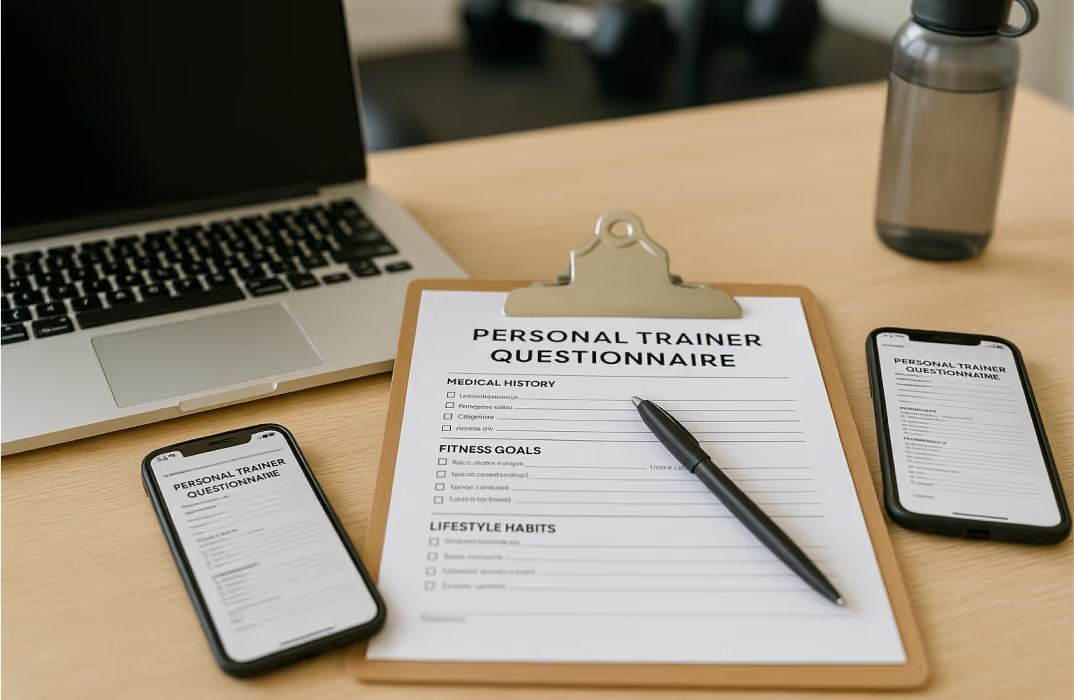
1. Contact Information and Basic Details
Include:
- Full Name
- Age and Date of Birth
- Email Address
- Phone Number
- Emergency Contact
Understanding your client starts with the basics. You'll need this information to stay in touch, follow up after personal training sessions, and handle emergencies if they arise. It also helps verify eligibility (such as age restrictions) and provides a professional first point of contact.
2. Medical Information and Health History
This is critical for safety. Include questions like:
- Do you have any existing medical conditions? (e.g., asthma, high blood pressure, diabetes)
- Are you currently taking any medications?
- Have you ever experienced chest pain during physical activity?
- Have you undergone physical therapy or surgery in the past year?
- Do you have any known injuries or restrictions?
This section helps you reduce the risk of injury, determine exercise suitability, and build a program that works with, not against, a client's health status. Many trainers also include a note about obtaining medical clearance if needed.
3. Lifestyle Questions
Understanding a client's lifestyle helps shape a healthier lifestyle approach. Ask about:
- Occupation and daily activity level
- Average hours of sleep per night
- Sleep habits and sleep patterns
- Stress levels and how they manage stress
- Smoking or alcohol use
- Nutritional habits and dietary restrictions
The more you understand about their lifestyle, the better you can offer guidance toward long-term change.
4. Current Fitness and Exercise History
Gain clarity on their current fitness level:
- Do you currently have a gym membership?
- What is your typical workout routine?
- What types of exercises do you enjoy?
- How many days per week do you engage in physical activity?
- What has worked or not worked in your past fitness efforts?
Use this section to understand what motivates your client and where they've struggled in the past.
5. Fitness Goals
This section defines their purpose:
- What are your short-term and long-term fitness goals?
- Are you looking to lose weight, gain muscle, improve body composition, or feel better overall?
- Are there specific milestones you want to achieve? (e.g., run a 5K, squat a certain weight)
- What does success look like to you?
A great personal trainer builds a training program that aligns with a client's aspirations and timeframe.
6. Exercise Preferences
Here's where workout survey questions come in:
- What types of workouts do you enjoy? (e.g., strength training, HIIT, yoga, cardio)
- Do you prefer working out indoors or outdoors?
- Do you have any preferred equipment?
- What are your preferred days/times for workouts?
These questions help you create an exercise program that fits into their lives—and, more importantly, one they'll enjoy and stick with.
7. Body Composition and Measurements
Ask for:
- Body weight
- Height
- Body fat percentage (if known)
- Body measurements (waist, hips, chest, arms)
These data points create a baseline to track progress over time. While optional for some clients, others may find these measurements highly motivating when paired with visible results from their fitness journey.
8. Motivation and Coaching Style Preferences
Ask:
- What motivates you to stay committed?
- Have you worked with a personal trainer before?
- What did you like/dislike about your past or previous clients' experiences?
- How do you prefer your trainer to communicate and hold you accountable?
- Do you prefer tough love, encouragement, or data-driven coaching?
Knowing their preferred coaching style helps you adapt your approach and become a great personal trainer in their eyes.
Example: Personal Trainer Questionnaire Template
Here's a sample layout you can use or adapt into a digital form:
Personal Training Client Questionnaire
Contact Information:
- Full Name:
- Date of Birth:
- Email:
- Phone Number:
- Emergency Contact:
Medical History:
- Do you have any of the following? (Circle all that apply.)
- Asthma
- Diabetes
- Heart Disease
- High Blood Pressure
- Recent Injury
- Other: __________
- Are you currently taking any medication?
- Have you ever experienced chest pain during exercise?
- Have you had surgery or been in physical therapy recently?
- Do you have any dietary restrictions?
Lifestyle Questions:
- Occupation:
- How active are you during the workday?
- Average hours of sleep per night:
- Rate your current stress level (1–10):
- Describe your nutritional habits:
Exercise History:
- Do you currently exercise regularly?
- Describe your weekly workout routine:
- What types of workouts do you enjoy?
- Have you worked with a fitness trainer before? If yes, what was the experience like?
Fitness Goals:
- What are your primary fitness goals? (Check all that apply)
- Lose weight
- Build muscle
- Improve endurance
- Increase flexibility
- Improve body composition
- Other: __________
- How soon would you like to see results?
Body Measurements (Optional):
- Body Weight: __________
- Height: __________
- Waist Circumference: __________
- Hips: __________
- Body Fat% % (if known): __________
Preferences & Motivation:
- What motivates you?
- What time of day do you prefer for workouts?
- Do you prefer training at home, the gym, or outdoors?
- How should your trainer keep you accountable?
- What makes you feel confident in a trainer?
Gym Survey Questions vs. Personal Training Questionnaire
Though they might seem similar, gym survey questions and a personal trainer questionnaire serve very different purposes, and understanding this difference is essential for both gym owners and fitness professionals.
A gym survey is typically designed to gather feedback about the overall gym experience. These surveys often ask members about:
- Equipment quality and availability
- Cleanliness of the facility and locker rooms
- Variety and scheduling of group fitness classes
- Staff friendliness and professionalism
- General satisfaction with amenities and services
These surveys are designed to help gyms improve the overall experience by upgrading equipment, keeping things clean, or offering the right classes, so members feel satisfied and want to stay.
A personal trainer questionnaire, on the other hand, is all about the individual. It's a tool personal trainers use to get to know each client, understanding their health history, goals, lifestyle, and what kinds of workouts they enjoy. Instead of focusing on the gym as a whole, this kind of questionnaire helps trainers create safe, effective, and utterly personalized training plans that fit each client's unique needs.
Think of it this way:
The gym survey helps the gym enhance its services.
The personal training questionnaire helps you, the trainer, deliver personalized training programs that get results.
Both are valuable tools, but they serve very different functions. Many trainers working within gyms may even benefit from reviewing gym survey data to understand the broader environment in which their clients are training, while still relying on their client questionnaire to develop targeted plans for success.
What to Ask a Personal Trainer (If You're the Client)
If you're a client looking for a good personal trainer, here are some things to ask personal trainer candidates:
- What is your personal training certification?
- Can you tell me about your past clients and their results?
- What is your coaching philosophy?
- How do you customize training plans?
- Do you offer nutritional advice?
- How do you track progress?
Whether in a personal trainer interview or your first personal training session, don't hesitate to ask a personal trainer questions to help you feel confident in your choice.
Final Thoughts
A personal trainer questionnaire isn't just a form—it's a critical tool in creating safe, engaging, and effective fitness experiences. It accurately represents your client's needs and goals, allows you to gather information efficiently, and sets a solid foundation for training sessions that drive results.
Most trainers can dramatically improve their impact and client retention by asking the right questions about medical information, sleep habits, exercise preferences, and fitness goals.
So whether you're welcoming a new client or checking in with someone you've trained before, it's worth taking a moment to fine-tune your intake process. A well-crafted, thoughtful personal training questionnaire can be the difference between someone who gives training a short try and someone who truly commits to changing their health and lifestyle for the long haul.
FAQs
1. What is a personal trainer questionnaire?
A personal trainer questionnaire is a detailed intake form to gather relevant information about a new personal training client. It covers medical history, fitness goals, lifestyle habits, exercise preferences, and body composition. The information helps the trainer design a safe, effective, personalized training program.
2. Why do I need to fill out a personal training questionnaire?
Filling out a personal training client questionnaire allows your trainer to gain insight into your fitness level, health conditions, and personal goals. It ensures your training program is tailored specifically for you and helps prevent injury during training sessions.
3. When should I complete the questionnaire?
Most trainers send the questionnaire form before the first personal training session, either via email or as an online form. Completing it in advance gives you time to consider your fitness goals and prepares your trainer for your initial consultation.
4. What kind of questions are included in a personal trainer questionnaire?
A comprehensive questionnaire includes:
- Medical information (e.g., injuries, medications, health conditions)
- Lifestyle questions (e.g., sleep patterns, stress levels, daily activity)
- Exercise history and current workout routine
- Fitness goals (e.g., lose weight, build muscle, improve body composition)
- Exercise preferences (e.g., favorite workouts, preferred times, equipment)
- Body measurements and body fat percentage (if applicable)
5. How is a gym survey different from a personal trainer questionnaire?
A gym survey collects feedback on the gym's environment, such as equipment, cleanliness, and class variety. On the other hand, a personal trainer questionnaire focuses on individual clients and helps trainers build personalized training programs.
6. Before starting, what are some good questions for a formal trainer to ask?
If you're thinking of working with a trainer, here are some things to ask a personal trainer:
- What is your personal training certification and background?
- How do you create personalized training programs?
- Have you worked with clients who have similar goals or conditions?
- How do you track fitness progress over time?
- Can you provide nutritional advice if needed?
7. Can the questionnaire help track my fitness progress?
Yes! The initial questionnaire helps establish a baseline of your body weight, measurements, and fitness levels. This data lets your trainer track progress and adjust your training plan.
8. What if I have a medical condition or past injury?
Be sure to disclose medical conditions such as high blood pressure, chest pain, or previous physical therapy treatments. A good personal trainer will use this information to modify your program for safety and refer you to a medical professional if necessary.
9. Can I update my answers later?
Absolutely. Your responses may change as your fitness journey evolves, especially regarding goals, workout preferences, or health status. Most trainers welcome updates to ensure your exercise program aligns with your progress and needs.
10. Do all personal trainers use questionnaires?
Not all trainers, but many—especially those with professional certification—rely on client questionnaires to deliver higher-quality, results-driven programs. This is a hallmark of a great personal trainer who takes your goals and safety seriously.



Meet the author
Suchandra Das
A versatile writer with a keen eye for detail, specializing in creating engaging content for diverse industries.
Frequently Asked Questions

Yangzey Sherpa leads content strategy at FitBudd, overseeing content planning and execution across fitness-focused digital channels. With over five years of experience in SEO and content, she works closely with the fitness industry to ensure content aligns with the needs of coaches, trainers, and gym owners. Her role keeps her deeply connected to fitness business workflows, coaching models, and how professionals use digital platforms to grow.


Apra Pathak has worked closely within the fitness niche for several years, supporting personal trainers and fitness coaches through content and digital marketing initiatives. Her experience centers on understanding how fitness professionals build visibility, communicate value, and engage clients online. Through sustained involvement with fitness-focused platforms and audiences, she has developed a strong understanding of the digital needs and growth challenges faced by modern fitness businesses.

Aishwarya Mehra has been actively involved in fitness-focused digital marketing, working closely with brands and platforms that serve coaches, trainers, and fitness businesses. Her experience spans engagement-driven strategies designed specifically for fitness audiences. Through ongoing exposure to fitness campaigns and communities, she remains closely aligned with how fitness professionals attract, convert, and retain clients in digital environments.

Suchandra Das has contributed content within the fitness niche, working on resources designed for coaches, trainers, and fitness business owners. Her experience involves supporting fitness-related topics with clear, structured, and accessible content. Through consistent involvement with fitness-focused platforms, she has developed familiarity with coaching workflows, client communication, and the informational needs of fitness professionals.
FitBudd is a fitness technology platform built exclusively for coaches, personal trainers, gym owners, and fitness professionals. The platform supports fitness businesses through branded apps, white-labeled solutions, and websites designed around real coaching and training workflows. FitBudd works closely with the global fitness community, maintaining deep, ongoing involvement in the fitness industry.

Ankit Uniyal has worked extensively with fitness-focused content, supporting platforms that cater to personal trainers, gym owners, and fitness professionals. His experience includes optimizing and structuring content around fitness-related search behavior and user intent. Through continued involvement in the fitness niche, he has gained a strong understanding of how trainers and coaches build discoverability and authority online.

Saumya Mittal is the Co-Founder and CEO of FitBudd. Since 2021, she has been actively engaged in the fitness technology sector, collaborating with global fitness companies to foster digital growth and scalable operations. With over a decade of experience leading high-impact projects in engineering and operations, Saumya has a strong background in developing reliable and scalable systems. Through FitBudd, she is dedicated to addressing the evolving needs of fitness professionals worldwide.

Kinshuk Snehi has been closely involved in the fitness space for over four years. Through his work at FitBudd, he has contributed to shaping how fitness professionals build their online presence, attract clients, and scale sustainable coaching businesses. Deeply interested in the intersection of fitness, technology, and growth, Kinshuk brings a hands-on understanding of the challenges faced by modern trainers. His passion lies in building systems and strategies that support long-term consistency, both in fitness journeys and business growth.

Kanika Verma has been closely involved in building solutions for the fitness industry, working with platforms used by coaches and trainers globally. Her experience includes direct exposure to fitness coaching workflows and operational needs. Through sustained involvement in fitness-focused product development, she has developed a strong understanding of how fitness professionals manage clients, programs, and daily operations.

Tanya Sharma has worked on branding initiatives within the fitness niche, supporting fitness platforms and businesses with visual identity design. Her experience includes creating brand systems used by coaches, trainers, and fitness-focused products. Through ongoing involvement in fitness-related design projects, she remains closely connected to how fitness brands communicate trust and professionalism.

Niharika Sonavane has contributed to visual design projects within the fitness industry, supporting platforms and brands serving fitness professionals. Her experience spans creating digital assets used across fitness apps, websites, and marketing materials. Through continued work in the fitness niche, she remains closely aligned with the visual communication needs of coaches and fitness businesses.

Elesh Patel has worked extensively on marketing initiatives within the fitness niche, managing paid campaigns for fitness-focused products and services. His experience includes supporting platforms that target personal trainers, gym owners, and fitness creators. Through long-term involvement in fitness marketing, he remains closely connected to how fitness professionals discover and adopt digital tools.


5 Types of Fitness Forms
Effortlessly manage client interactions with our suite of essential forms, covering every aspect of
Download Now
Templates
These functional templates have the power to make any fitness trainer's life easier.
Subscribe To
Our Blog

.avif)