

According to ABC Fitness, data from 40 million member interactions across 30,000+ fitness locations shows engaged members visit more, stay longer, and spend more, yet most gym owners can’t see this clearly in their software. Revenue flows; profit visibility doesn’t.
The fitness industry software market is crowded. Most gym management companies focus on scheduling and membership management, not on where your money actually goes. Choosing the right gym profit solution is genuinely confusing. Gym management software integrates various functions like billing, scheduling, and member management into a single system, streamlining business operations for fitness businesses. Modern gym management software is primarily cloud-based, offering remote access and automatic updates, which are essential for a modern gym.
The right top gym software shows revenue by stream, flags failed billing, tracks retention against revenue, and connects coaching income to the bottom line, the difference between managing a gym and running a profitable one. Choosing the right gym management software is crucial for preventing operational issues like billing failures and data loss. The right solution can also significantly improve member retention and engagement, supporting business growth.
Here’s an honest comparison of the 7 best gym profit tracking tools in 2026, what each does well, where it falls short, and which gym type it fits. Gym management software should provide a user-friendly interface to ensure ease of use for staff and members.
What Should Gym Profit Solutions Actually Track?
Beyond basic reporting, the gaps that cost gym owners money are usually in features they don’t have. Automated billing reduces failed transactions and eliminates the awkward task of chasing late fees, ensuring consistent cash flow:
- Revenue breakdown by stream: memberships, personal training, retail, classes, and digital products tracked separately, not lumped together
- Failed payment recovery: automated billing features with recurring payments help reduce failed payments and ensure consistent cash flow, using automated retry logic and dunning messages for declined cards, not just a report of what failed
- Dunning automation: automatically retries failed payments and sends member notifications, reducing involuntary churn and improving revenue collection
- CRM-linked revenue data: knowing which leads converted, which members are at churn risk, and what their lifetime value looks like
- Coaching and trainer revenue tracking: for trainer-led gyms, individual coach performance and session-based income needs its own visibility
- Integration with accounting tools: QuickBooks or Xero sync so your P&L reflects reality without manual exports
- Real-time dashboards: not end-of-month reports, but live views of revenue, occupancy, and member spend
Gym CRM Software: Why Customer Relationship Management Matters for Profitability
Your gym needs more than a digital contact list. Modern CRM software has become the foundation of profitable fitness operations.
It's your secret weapon for building stronger member relationships, cutting admin time, and discovering new revenue streams. No fluff, just results.
The best gym management platforms put effective CRM at their core. You get centralized member data, interaction tracking, and personalized communication that actually works.
This drives the two things that matter most: member engagement and retention. Both directly impact your bottom line.
Your CRM handles class schedules, automates billing, and tracks attendance across multiple locations. All from one platform that actually makes sense.
Switching management software doesn't have to give you nightmares. Leading providers now offer migration tools that actually work and training that gets you up to speed fast.
You'll maintain business continuity while upgrading your operations. The key is evaluating how well platforms handle membership management, lead tracking, and access control.
These core functions shape your member experience. And your member experience shapes your profits.
Boutique studios need more than cookie-cutter solutions. Your unique business model demands specialized tools that get it.
Platforms like ABC Fitness Solutions, including ABC Fitness and ABC Glofox, are built for boutique operations. You get personal training session management, class scheduling, and attendance tracking that fit your workflow.
Plus, branded mobile apps that make your members feel special. All while automating billing and payments behind the scenes.
Managing multiple locations used to mean multiple headaches. The right CRM gives you a unified view of everything that matters: member relationships, attendance patterns, and revenue streams.
Access control integrations and automated billing cut your admin work in half. AI-powered engagement tools help your staff focus on what they do best: creating amazing member experiences.
Data analytics show you which members are at risk. Targeted campaigns help you win them back before they walk.
Choosing your gym management software comes down to the basics. Look at pricing models, support quality, and how well core functions actually work.
Check out software review sites for real user feedback. You'll get insights that marketing materials never share.
Find a platform that matches your business goals. Your future self will thank you.
7 Gym Profit Tracking Tools Compared
1. Mindbody: Best for Multi-Location Gyms Needing Full Financial Visibility
Mindbody is the largest gym management software platform in the fitness industry, used by everything from boutique studios to enterprise health clubs. On the profit tracking side, it offers real-time financial dashboards, customizable revenue reports, automated billing reconciliation, and point-of-sale integration that connects retail and class revenue in a single view. Mindbody excels at scheduling classes and tracking class attendance, providing centralized scheduling so members can use online booking for classes, personal training sessions, and events. Its performance tracking features help gym owners monitor member progress and operational metrics.
Strengths: Real-time dashboards, payment reconciliation, POS + membership revenue in one view
The integration of class scheduling with capacity management is essential for effective gym operations, and Mindbody supports this.
Gap to note: Pricing not publicly listed costs can be higher than expected once add-ons are included
Best for: Multi-location gyms needing enterprise-grade financial reporting
2. ZenPlanner: Solid Billing, Basic Profit Reporting
ZenPlanner (part of Daxko) has been in the fitness industry software market since 2006 and is a well-known choice for CrossFit boxes, martial arts studios, and small gyms. It handles automated billing, membership management, attendance tracking, and QuickBooks integration, covering the essential financial workflow for most small-to-mid-sized gyms. Members can conveniently book classes and personal training sessions online, streamlining scheduling for both staff and members. ZenPlanner also offers progress tracking features to help personalize training and improve member engagement.
Per a Gymdesk analysis (2026), ZenPlanner’s reporting covers attendance and revenue basics, and custom reports require significant setup. Attendance tracking is included, and mobile check-in and self-service kiosks are increasingly expected features in gym management software; ZenPlanner supports these options. Capterra reviewers note it’s feature-heavy and clunky. Billing is tied to PaySimple; switching gateways costs extra.
Strengths: Automated billing, QuickBooks sync, revenue, and attendance reports
Pricing: $99/month (45 members), $267/month (251+ members)
Gap: Basic reporting; custom reports need setup; no profit margin calculation; no automatic membership discounts
Best for: Small-to-mid gyms needing billing automation more than deep profit analytics
3. PushPress: Best Gym Management Software for CrossFit and Functional Fitness
PushPress is purpose-built by gym owners and is a standout in the top gym software category for community-driven gyms. Its financial tools include automated Stripe-powered billing, recurring payment management, retail sales tracking, and financial insights built into its Core product. PushPress streamlines member sign-ups and onboarding, making it easy for new members to join. It also includes workout tracking and coaching tools to help trainers monitor client progress and deliver personalized coaching. The free tier makes it accessible to smaller gyms without an upfront commitment.
Automating tasks like billing and attendance tracking simplifies daily operations and enhances member engagement. Effective communication with members through PushPress can significantly improve retention rates by keeping them informed and engaged.
Strengths: Stripe billing, financial insights dashboard, retail POS, lead tracking
Pricing: Free core tier; paid plans scale with features
Gap: Less granular than enterprise tools, better for operational efficiency than deep financial analysis
Best for: CrossFit and functional fitness gyms wanting clean billing + community features
4. Gymdesk: Best Value for Boutique Gym Profit Tracking
Gymdesk is one of the most underrated gym profit solutions for small to mid-sized gyms. It includes a profit margin calculator that factors in cost-of-goods for retail products, revenue analytics with month-over-month comparison, live attendance tracking, and payroll management, all built in, with no feature gating across tiers. Gymdesk also offers robust client management and client progress tracking tools, allowing gym owners to monitor member engagement and personalize services. Trainers can create custom workouts tailored to individual client needs, enhancing client success and retention. In addition, Gymdesk provides actionable reporting and visual dashboards that highlight trends in revenue, attendance, and member retention, turning information into actionable insights.
Strengths: Profit margin calculator, revenue analytics, integrated payroll, automatic discounts
Pricing: $75/month flat (50 members), all features included
Gap: Smaller integration ecosystem than legacy platforms
Best for: Boutique gyms and martial arts studios wanting profit visibility without enterprise pricing
5. ABC Fitness: Best for Gym Chains and Franchises
ABC Fitness (formerly ABC Financial) is part of the ABC Fitness family, known for its strong community and support network within the boutique fitness industry. It is the gym management software standard for large health club chains, fitness centers, and multi-location gym facilities. ABC Fitness is tailored for fitness centers that require comprehensive operational tools, multi-location handling, and AI-driven automation. The platform supports the entire member journey, from lead capture to billing and ongoing engagement, streamlining every touchpoint for a seamless member experience. It processes billions of dollars in member payments annually, making it the most battle-tested billing engine in the fitness industry. Financial reporting at the chain level, multi-location revenue, franchise-wide billing reconciliation, and staff performance are where ABC Fitness genuinely has no peer.
ABC Fitness also offers advanced analytics, and its AI features include predictive churn detection and automated re-engagement campaigns based on member behavior. The onboarding process and support team at ABC Fitness can significantly impact user experience and operational efficiency.
Strengths: Enterprise billing, multi-location P&L, franchise management, detailed analytics
Gap: Cost-prohibitive for independent trainers and boutique studios
Best for: Gym chains (5+ locations), corporate fitness, large health clubs
6. QuickBooks Online: Best for Clean P&L and Tax Preparation
QuickBooks Online is not a gym management software vendor; it's a general accounting platform. But for gym owners who need a clear profit and loss statement, expense tracking, payroll, and tax preparation, it fills a gap that most gym computer programs can't. It pairs naturally with Mindbody, ZenPlanner, or Gymdesk via integration to pull in membership and sales revenue while tracking overhead costs and staff wages on the accounting side.
Strengths: Full P&L, expense tracking, payroll, tax preparation
Pricing: From $30/month
Best for: Any gym needing accounting-grade profit clarity, paired with the primary gym management tool
7. FitBudd: Best for Trainer-Led Gyms and Personal Training Studios
Most gym profit solutions are built for membership-heavy facilities. Trainer-led gyms' coaching packages, session bundles, and online clients have a different structure that most gym management software doesn’t track cleanly.
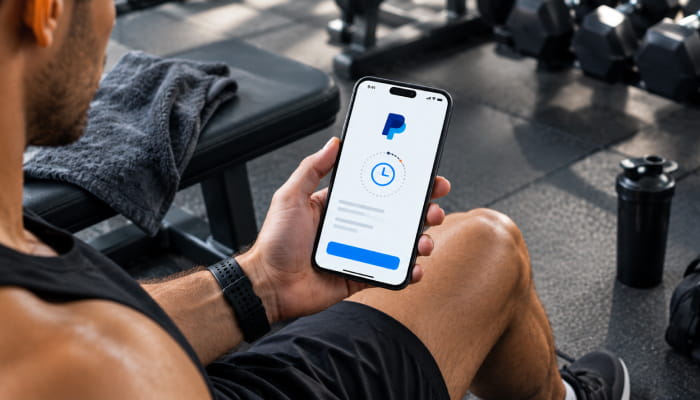
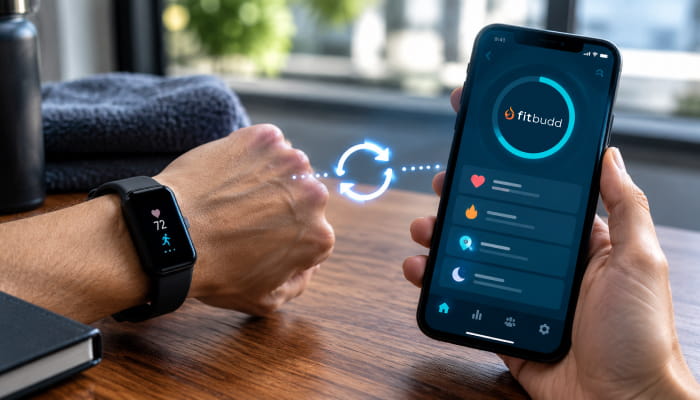
FitBudd’s analytics dashboard connects coaching revenue to client activity, payment history, subscriptions, and service-level revenue with direct client payments via Stripe and PayPal at zero commission. FitBudd includes dedicated coaching tools and allows trainers to create custom workouts tailored to each client’s needs. Progress tracking features help monitor client improvements over time, supporting personalized training and better results.
FitBudd’s Pro plan starts at $79/month for 20 clients, payment tracking, analytics dashboard, workout delivery, nutrition plans, and a branded website. Custom-branded app available on request. In addition, FitBudd supports personalized marketing campaigns and data-driven insights to keep members motivated and engaged.
Strengths: Client payment dashboard, coaching revenue visibility, zero commission on transactions
Pricing: From $79/month (Pro, 20 clients), custom-branded app on request
Best for: Personal training studios and trainer-led gyms needing coaching revenue visibility
Where ZenPlanner Falls Short as a Gym Profit Solution
ZenPlanner automates billing well, and its Engage CRM is strong. But as a dedicated gym profit solution, it has three consistent gaps:
- Basic reporting: Custom reports require significant learning and setup, resulting in a steep learning curve. The platform is feature-heavy, but the financial insight layer is shallow by default
- Payment processor lock-in: Tight coupling with PaySimple (Daxko) means switching gateways incurs additional fees, reducing flexibility for cost optimization
- No profit margin calculation: Unlike Gymdesk, there’s no native cost-of-goods tracking or margin calculation for retail or service lines
As feature complexity increases, the demand for user-friendly interfaces in gym management software is rising, as ease of use is critical for staff training and operational efficiency. Additionally, a platform that requires multiple integrations to cover core functions may lead to operational inefficiencies.
For trainer-led gyms, ZenPlanner misses coaching revenue tracking entirely. Session-based income, package tracking, and client-level payment visibility aren’t its core focus.
Which Tool Fits Your Gym Type?
The Right Gym Profit Solution Starts With Knowing Your Numbers
The best gym and club app software for profit tracking matches your business model, combining a purpose-built gym management software with accounting-grade clarity from a tool like QuickBooks.
Chris Cooper, founder of Two-Brain Business and the industry's leading voice on gym profitability, makes the point bluntly: an owner should stay "absolutely aware of what's happening in that gym and looking at the numbers." A profit-tracking tool only earns its place if it makes those numbers impossible to ignore.
If you run a trainer-led gym or personal training studio, book a demo with FitBudd to see how its payment tracking and analytics dashboard gives you coaching-revenue visibility from day one.