

Every few years, a fitness trend emerges that genuinely shifts client behavior and creates business opportunities for attentive coaches. The Winter Arc represents one such moment. Originating from social media fitness communities in late 2023, this trend has evolved into a recognized seasonal phenomenon that drives significant gym engagement during months traditionally marked by declining motivation and membership activity.
For personal trainers, gym owners, and studio operators, understanding what is Winter Arc and how to strategically position services around it can transform the typically slow pre-holiday and winter period into a peak acquisition and retention season. This guide provides a comprehensive breakdown of the Winter Arc trend, its psychological foundations, practical implementation strategies, and programming considerations that help fitness professionals convert trend-driven interest into lasting client relationships.
What Is Winter Arc?
The Winter Arc is a self-improvement challenge focused on intensive personal development during the winter months. Participants commit to disciplined daily habits centered primarily on fitness, nutrition, and mental fortitude, treating the season as a period of focused transformation rather than hibernation and indulgence.
Defining the Core Concept
At its foundation, a Winter Arc represents a deliberate decision to use the colder, darker months for structured self-improvement. Unlike New Year's resolutions that begin after holiday excess, the Winter Arc philosophy embraces the challenging conditions of fall and winter as features rather than obstacles. Participants view discomfort as a catalyst for growth.
The term "arc" derives from narrative storytelling, particularly anime and manga, where characters undergo intensive training or transformation periods that fundamentally change their capabilities. Applied to fitness, the Winter Arc frames individual training journeys as heroic narratives where the participant emerges stronger, leaner, and more disciplined by winter's end.
Key Characteristics of the Winter Arc
Several defining elements distinguish the Winter Arc from generic fitness challenges:
Seasonal timing positions the challenge during months when most people reduce physical activity. This counter-cultural approach creates psychological distinction and community identity among participants.
Daily non-negotiables form the behavioral backbone. Common commitments include daily exercise, nutrition adherence, cold exposure, sleep optimization, and elimination of alcohol or other indulgences.
Social accountability through content creation and community participation reinforces commitment. Many participants document their journeys on social media platforms, creating public accountability structures.
Aesthetic and narrative framing elevates mundane discipline into something meaningful. The language of arcs, transformations, and becoming one's "final form" adds motivational weight to daily choices.
When Is Winter Arc? Understanding the Timeline
One of the most common questions surrounding this trend concerns timing. The Winter Arc start date has some flexibility, but community conventions have established general parameters.
Traditional Start Dates
The most widely recognized Winter Arc start date falls on October 1st. This timing aligns with the Northern Hemisphere's transition into autumn, providing roughly 90 days of focused effort before the new year. Some variations begin on:
September 21st or 22nd (autumn equinox) for those who prefer astronomical rather than calendar-based timing
November 1st for participants who want a shorter, more intensive 60-day challenge
The first Monday of October for those who prefer week-aligned start dates
Duration and End Points
Standard Winter Arc duration spans approximately three months, with common end dates including:
December 31st concludes the arc before New Year celebrations, positioning participants to enter the new year already transformed rather than just beginning
January 1st extends through the holiday season, adding difficulty through social pressure and celebration temptations
March 20th or 21st (spring equinox) represents the full winter duration, approximately six months of committed practice
For fitness professionals, understanding these timelines enables strategic marketing, program launches, and staffing decisions aligned with predictable demand increases.
The Psychology Behind Winter Arc Appeal
Understanding why the Winter Arc resonates so powerfully helps fitness professionals communicate effectively with trend-motivated prospects and design programming that sustains engagement beyond initial enthusiasm.
Counter-Seasonal Identity
Human behavior tends toward reduced activity during darker, colder months. The Winter Arc inverts this pattern, creating identity around doing what others avoid. This counter-positioning generates psychological rewards:
Distinction from the majority satisfies needs for uniqueness and self-efficacy. Participants feel exceptional precisely because their behavior contrasts with cultural norms.
Anticipatory pride motivates present discipline. The imagined future state of emerging from winter transformed while others have regressed provides ongoing motivational fuel.
Community belonging offers social connection during isolating winter months. Shared struggle creates bonds among participants who might otherwise train alone.
Narrative Structure and Meaning-Making
The "arc" framing transforms routine gym attendance into a hero's journey. This narrative structure provides:
Clear beginning, middle, and end gives finite structure to open-ended fitness pursuits. Knowing the challenge has an endpoint makes daily discipline more tolerable than indefinite commitment.
Progress markers create milestones within the journey. Weekly check-ins, monthly assessments, and visual documentation provide regular evidence of advancement.
Transformation mythology elevates physical training into something approaching spiritual practice. Participants describe "becoming who they were meant to be" or "unlocking their potential."
Social Media Amplification
Platform algorithms reward consistent content creation around trending topics. Winter Arc participants generate engagement through:
Daily accountability posts documenting workouts, meals, and mindset shifts
Transformation updates showing visual progress at regular intervals
Community challenges that spread virally and recruit new participants
This visibility creates a self-reinforcing cycle where participation appears increasingly normalized and desirable.
How Fitness Professionals Can Leverage the Winter Arc
The Winter Arc trend creates specific opportunities for coaches, trainers, and facility owners willing to align their offerings with participant motivations.
Program Design Opportunities
Structured 90-day programs mirror the natural Winter Arc duration. Creating dedicated programming that begins October 1st and concludes December 31st provides clear alignment with trend timing, and an AI workout builder speeds up drafting the twelve weeks of training that structure requires
Tiered commitment levels accommodate varying participant readiness. Entry-level options might include three weekly workouts with nutrition guidelines, while intensive tiers could feature daily training, meal plans, and coaching check-ins.
Community cohorts transform individual training into shared experiences. Group programming, private social media groups, or in-facility leaderboards create the accountability structures Winter Arc participants seek.
Marketing and Communication Alignment
Effective Winter Arc marketing speaks to participant motivations without appearing exploitative or trend-chasing:
Acknowledge the movement authentically. Reference the Winter Arc directly in marketing materials during September and October. Prospects searching for "winter arc training" or "winter arc gym" should find your offerings.
Emphasize structure and accountability. Winter Arc participants specifically seek external frameworks to support their commitments. Highlight programming structure, check-in systems, and coach availability.
Visual language matters. Marketing imagery featuring cold weather training, early morning sessions, and determined expressions aligns with Winter Arc aesthetics.
Outcome framing over feature listing. Describe the transformation participants will experience, not just the services included. "Enter spring as a different person" resonates more than "12-week program includes..."
Retention Beyond the Arc
The critical business challenge lies in converting trend-motivated participants into long-term clients, a pattern examined in this 90-day fitness client dropout report. Several strategies support this transition:
Progressive goal-setting introduces new objectives before the Winter Arc concludes. Help clients identify what comes next: a strength goal, an event to train for, or a performance benchmark to pursue.
Relationship depth during the intensive period creates lasting connection. Coaches who provide meaningful support during Winter Arc challenges earn client loyalty that extends beyond trend cycles.
Community maintenance keeps social bonds intact. If group cohorts form during the Winter Arc, maintain those groups through subsequent programming phases.
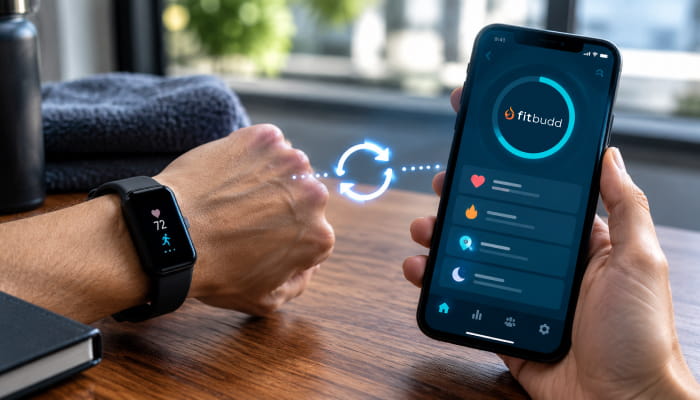
Platforms like FitBudd enable coaches to maintain consistent client engagement throughout intensive challenge periods and beyond, providing the accountability infrastructure Winter Arc participants seek while building sustainable coaching relationships.
Programming Considerations for Winter Arc Clients
Designing effective Winter Arc programming requires balancing participant enthusiasm with physiological realities and long-term client development.
Managing Initial Enthusiasm
Winter Arc participants often arrive with high motivation and aggressive expectations. This creates programming challenges:
Overtraining risk increases when clients believe they should train daily at high intensity for 90 consecutive days. Progressive overload principles still apply regardless of motivational state.
Injury potential rises when participants push through warning signs in pursuit of "no excuses" mentalities. Coaches must establish boundaries around pain versus discomfort.
Burnout probability peaks when programs lack deload periods or recovery emphasis. The Winter Arc ethos can conflict with periodization principles.
Structuring Sustainable Intensity
Effective Winter Arc programming maintains challenge while preventing breakdown:
Weekly structure might include four to five training days with intentional recovery days framed as "active recovery" rather than "rest" to align with participant psychology.
Mesocycle planning builds intensity through the challenge period, with strategic deloads every three to four weeks that maintain habit patterns while reducing volume.
Movement variety prevents overuse injuries and maintains engagement. Rotating training emphases (strength focus, conditioning focus, skill focus) sustains novelty within consistent structure.
Nutrition Integration
Many Winter Arc participants simultaneously pursue dietary interventions. Coaches should:
Assess current eating patterns before prescribing changes. Winter Arc motivation can mask disordered relationships with food that intensify under restriction.
Moderate deficit expectations to sustainable levels, ideally anchored to a client's maintenance calories rather than an arbitrary number. Combining aggressive caloric restriction with increased training volume creates recovery deficits that undermine progress.
Emphasize performance nutrition alongside body composition goals. Framing food as fuel for training quality appeals to Winter Arc mentalities while supporting physiological needs.
Common Misconceptions About the Winter Arc
Several misunderstandings affect how both participants and fitness professionals approach the Winter Arc trend.
Misconception: Winter Arc Requires Extreme Measures
Social media content often highlights dramatic commitments: 4 AM wake-ups, ice baths, elimination diets, and daily two-hour training sessions. This creates the impression that legitimate Winter Arc participation demands extremity.
Reality: Sustainable improvement through consistent moderate effort produces better outcomes than short-term extremity followed by burnout or injury. The most successful Winter Arc participants are those who finish the period still motivated to continue, not those who collapse across the finish line.
Professional application: Help clients define challenging but achievable parameters. A client who completes 75 workouts across 90 days has accomplished more than one who burns out after three weeks of daily doubles.
Misconception: The Winter Arc Is Just Another Fitness Trend
Dismissing the Winter Arc as fleeting social media hype underestimates its structural advantages and staying power.
Reality: The Winter Arc addresses a genuine gap in seasonal fitness culture. Unlike trends built around specific exercises or equipment, it provides psychological frameworks and community structures that solve real motivational problems during difficult months. The concept has demonstrated multi-year persistence and growing mainstream recognition.
Professional application: Treat Winter Arc participants as serious clients with legitimate goals, not as trend-followers who will disappear. Many become long-term clients if initial experiences are positive.
Misconception: Winter Arc Is Only for Beginners
The visible transformation content on social media often features people new to consistent training, creating the impression that the Winter Arc is a beginner phenomenon.
Reality: The framework applies across experience levels. Advanced trainees use Winter Arc timing for focused training blocks, competition preparation, or addressing long-neglected weaknesses. The structure and accountability appeal regardless of training age.
Professional application: Design Winter Arc offerings for multiple experience levels. Intermediate and advanced clients may represent higher-value opportunities with longer retention potential.
Misconception: Results Require Social Media Participation
The visible Winter Arc community exists primarily on social media platforms, leading some to believe that public documentation is integral to the practice.
Reality: Many successful participants engage privately without posting content. The core benefits derive from structured commitment and behavioral consistency, not from public accountability. Some individuals find that content creation detracts from training focus.
Professional application: Offer participation options that don't require social media engagement. Private accountability through coaching check-ins, in-app tracking through platforms like FitBudd, or facility-based community groups serve clients who prefer privacy.
Best Practices for Winter Arc Programming
Several principles guide effective Winter Arc implementation for fitness professionals.
Principle 1: Front-Load Education
Before the arc begins, ensure clients understand periodization, recovery, and sustainable practice. Motivated clients often resist rest; education provided early establishes frameworks for productive coaching conversations throughout the challenge.
Principle 2: Establish Clear Metrics
Define specific, measurable objectives at the outset. Body composition targets, strength benchmarks, conditioning improvements, and habit compliance rates provide objective progress indicators that complement subjective experience.
Principle 3: Build Flexibility Into Structure
Life continues during the Winter Arc. Holiday travel, illness, work demands, and family obligations will interrupt ideal training patterns. Programs that accommodate missed sessions without triggering all-or-nothing abandonment outperform rigid structures.
Principle 4: Create Milestone Moments
Ninety days is long. Intermediate check-points at 30 and 60 days provide progress validation and programming adjustment opportunities. Celebrate these moments explicitly to maintain motivation through the middle period when initial enthusiasm wanes.
Principle 5: Plan the Transition
Before the Winter Arc concludes, establish what comes next. Clients who finish without subsequent goals often experience motivation collapse. Coaches who proactively design post-arc programming retain clients through the transition.
Integrating Winter Arc Into Your Business
The Winter Arc trend offers specific business advantages for fitness professionals who approach it strategically.
Seasonal Revenue Optimization
Traditional fitness business models struggle during fall and winter months. The Winter Arc creates counter-seasonal demand that fills typically slow periods. Pricing strategies might include:
Challenge-specific packages with fixed durations and premium positioning
Early enrollment incentives for September sign-ups to October start dates
Referral programs that leverage participant social networks
Client Acquisition Timing
Marketing investments during September and early October reach prospects actively searching for Winter Arc programming. This timing often costs less than January advertising while capturing motivated buyers before market saturation.
Staff Preparation
Increased October demand requires adequate coaching capacity. Plan scheduling, hiring, and training decisions in late summer to ensure service quality when Winter Arc participants arrive.
Content and Authority Building
Creating educational content about the Winter Arc establishes professional authority within the trend conversation. Blog posts, social media content, and email sequences addressing common Winter Arc questions position your business as an informed resource.