Are You Earning Up to Your Potential?
Most personal trainers are undervaluing their time and skills. Our Personal trainer Revenue Calculator helps you find out what you should be making, and how to get there.
No guesswork. Just real numbers.
.webp)
The fitness industry has transformed dramatically with the rise of mobile fitness apps. Whether you're a gym owner, personal trainer, or fitness app development company, creating a comprehensive fitness app with essential features is crucial to keeping users engaged and motivated. A successful fitness app not only tracks workouts but also provides personalized fitness solutions, ensuring users achieve their fitness goals efficiently.
In this blog, we’ll explore the 15 must-have features in a custom gym app that will enhance user experience and make your fitness tracking app a game-changer in the industry.
1. Personalized Workout Plans
Customization is key in a custom fitness app. Users should be able to set their fitness objectives—whether it's muscle gain, weight loss, endurance building, or general wellness—and receive personalized workout routines tailored to their specific fitness levels, preferences, and available equipment.
A successful fitness app should include:
- AI-driven workout recommendations based on fitness levels, past progress, and preferences.
- A comprehensive workout library with categorized exercise routines covering strength training, HIIT, cardio, mobility, yoga and meditation, and rehabilitation exercises.
- The ability to modify workouts based on available gym equipment or home-based setups.
- Dynamic workout adjustments evolve with the user's fitness progress, ensuring progressive overload and continued challenges.
- Integration with fitness trackers and wearable devices to analyze workout performance and suggest optimizations.
Why Personalized Workout Plans Matter
A one-size-fits-all approach no longer works in the fitness industry. Users expect custom fitness app must-haves like AI-powered workout tracking, progress-based workout modifications, and interactive coaching to keep them engaged and motivated.
By integrating personalized workout plans, fitness app users can achieve better results, stay committed to their routines, and enjoy a seamless fitness journey—whether they are working out at the gym, at home, or on the go.
2. Fitness Tracking & Progress Monitoring
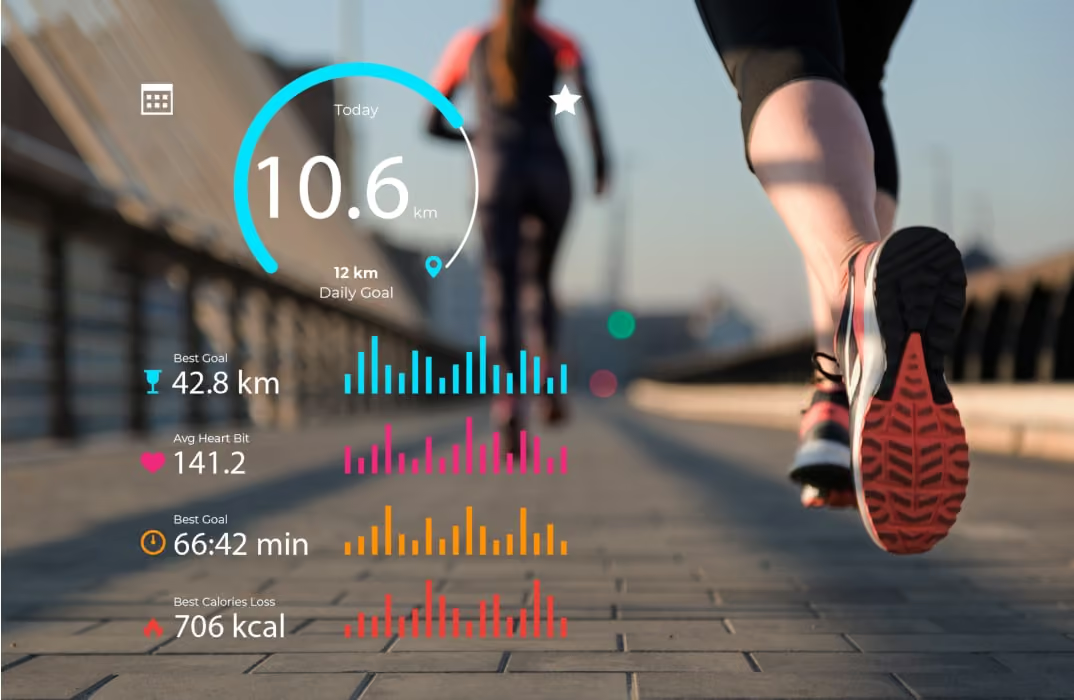
A gym fitness tracking app development strategy must include tools to track workout performance, calories burned, and fitness progress over time. Progress tracking helps users stay motivated by showing their improvements in strength, endurance, and flexibility, making it easier for them to stay committed to their fitness goals.
In addition to tracking daily workouts, a comprehensive fitness app should provide long-term progress insights that allow users to analyze trends over weeks or months. Features like personalized progress reports, milestone achievements, and predictive analytics can help users understand how their workouts are affecting their fitness levels. By offering performance-based feedback, the app can suggest workout modifications, ensuring users continue to see results and stay engaged.
Moreover, multi-device synchronization plays a crucial role in fitness tracking. Users should be able to sync their data across wearable devices, mobile apps, and fitness trackers seamlessly. This ensures that whether they are logging workouts on their smartphone or using a smartwatch during exercise, their fitness data remains up to date.
3. Workout Tracking & Performance Analytics
Workout tracking is one of the must-have features in a fitness tracking app, allowing users to log their exercise routines efficiently. A well-designed gym fitness application should enable users to track repetitions, sets, workout duration, and rest periods, ensuring they maintain an accurate record of their workout performance. Additionally, incorporating real-time analytics can help users assess their fitness progress and make necessary adjustments to optimize their fitness routine.
Advanced gym fitness app features such as AI-driven performance analytics, workout pattern recognition, and progress forecasting can provide users with valuable insights into their training habits. By analyzing workout data, the app can detect trends, highlight weaknesses, and offer personalized workout plans to help users improve their strength, endurance, and overall performance. Moreover, integrating wearable device synchronization ensures real-time monitoring, allowing users to measure heart rate, calories burned, and workout intensity during each session.
Beyond individual workout tracking, a comprehensive fitness app should include interactive performance dashboards that display visual progress charts, muscle activation data, and comparative performance analytics. Users can compare their fitness levels over time, track workout progress, and set new challenges to stay motivated. Incorporating push notifications can remind users of their scheduled workouts, keeping them engaged and consistent with their fitness journey.
4. Nutrition Tracking & Customized Diet Plans
A comprehensive fitness app should go beyond workouts and include nutrition tracking to provide users with a holistic approach to fitness. Proper nutrition plays a crucial role in achieving fitness goals, whether it’s muscle gain, fat loss, or improved endurance. A fitness-tracking app with built-in meal planning, macro tracking, and calorie counting can significantly enhance user engagement and results. By integrating with nutrition apps like MyFitnessPal, Apple Health, and Google Fit, users can seamlessly log their meals, track calorie intake, and monitor their macronutrient balance (proteins, fats, and carbohydrates).
Customized diet plans tailored to users’ fitness levels, dietary preferences, and workout routines, delivered through nutrition coaching software, can further optimize results. By using AI-driven personalized meal recommendations, the app can suggest meal plans that align with users' specific fitness objectives, such as weight loss, lean muscle development, or endurance training. Moreover, features like grocery list generation, barcode scanning for food items, and hydration tracking can improve the app’s functionality. Additionally, integrating nutrition tracking with wearable devices can provide insights into calories burned vs. calories consumed, helping users maintain a balanced and data-driven fitness journey.
Also read: Plant-Based Diets for Athletes: A Comprehensive Guide for Fitness Professionals
💪 Got an idea for a brand? Let's bring it to life.
Launch your own fitness app with FitBudd in minutes!
💪 Got your brand name? Let’s bring it to life.
Launch your own fitness app with FitBudd in minutes!



88% trainers worldwide gave us 5 stars
Transform your fitness business with the power of your branded app on iOS and Android.
Try for FREE5. Integration with Wearable Devices
Wearable device integration is a crucial fitness app feature that enhances fitness tracking by syncing with smartwatches, fitness trackers, and heart rate monitors. A successful fitness app should connect with popular devices like Apple Watch, Fitbit, Garmin, and Whoop, allowing users to monitor heart rate, steps, sleep patterns, and calories burned in real time. This ensures fitness enthusiasts get valuable insights into their workout performance, recovery, and overall health, optimizing their fitness journey.
Beyond basic workout tracking, advanced wearable device synchronization enables users to track heart rate variability (HRV), oxygen saturation (SpO2), stress levels, and sleep quality. Integration with third-party apps like Google Fit, Apple Health, and Strava ensures seamless multi-device synchronization, consolidating all fitness data in one place. Additionally, real-time push notifications can remind users to stay active, hydrate, or adjust their exercise routines based on biometric feedback. For personal trainers and personal coach apps, wearable integration offers remote monitoring, helping optimize personalized workout plans. By incorporating wearable technology, a comprehensive fitness app enhances user engagement, providing data-driven insights for better fitness progress.
6. Multi-Device Synchronization
A successful fitness app must be accessible across multiple platforms. Whether users log workouts on their mobile phones, tablets, or desktops, a multi-device synchronization feature ensures a seamless experience.
7. Virtual Fitness Challenges & Community Engagement
To motivate users, adding virtual fitness challenges can create a sense of competition. Leaderboards, badges, and social sharing features help keep app users engaged. Connecting with other fitness app users fosters a sense of community.
8. Push Notifications & Reminders
A push notification system can remind users of upcoming workouts, hydration alerts, and fitness challenges. Timely push notifications help maintain consistency and encourage users to stick to their fitness routines.
9. Live & On-Demand Video Tutorials
Including video tutorials in the gym app features allows users to learn correct workout techniques. Whether it’s strength training, yoga, meditation, or HIIT, a comprehensive workout library with instructional videos enhances the user experience.
10. Personal Trainer Apps & Virtual Coaching
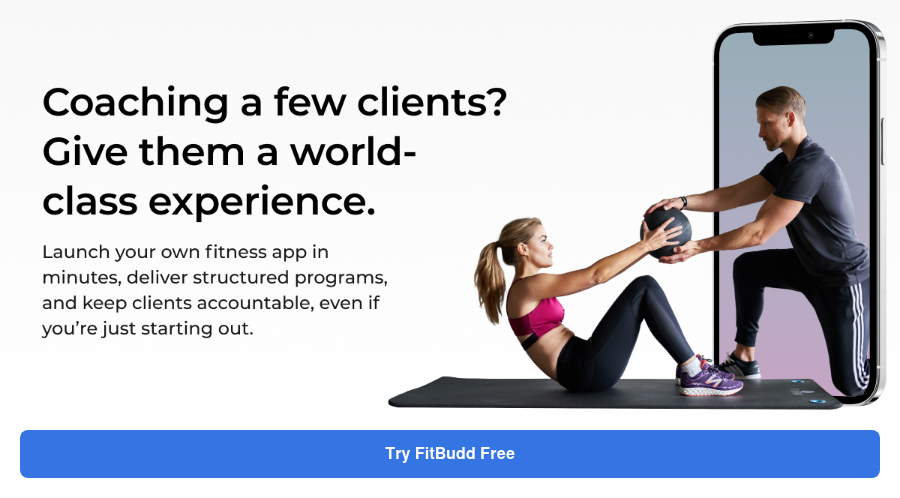
For users looking for guidance, integrating personal trainer apps with real-time coaching is beneficial. Offering access to personal coaches via video calls or chat helps users receive expert advice tailored to their needs.
11. Gym Management Technology & Booking System
If your custom fitness app is built for gyms, gym management technology is crucial. Features like class scheduling, trainer booking, and gym equipment availability, backed by gym CRM software, can streamline operations for both users and gym owners.
12. Meditation & Recovery Tracking
A truly comprehensive fitness app should include yoga and meditation apps to support mental well-being. Meditation apps can include guided sessions for relaxation, stress management, and sleep improvement. Recovery tracking, such as sleep patterns and heart rate variability, can further enhance performance optimization.
13. Third-Party App Integration
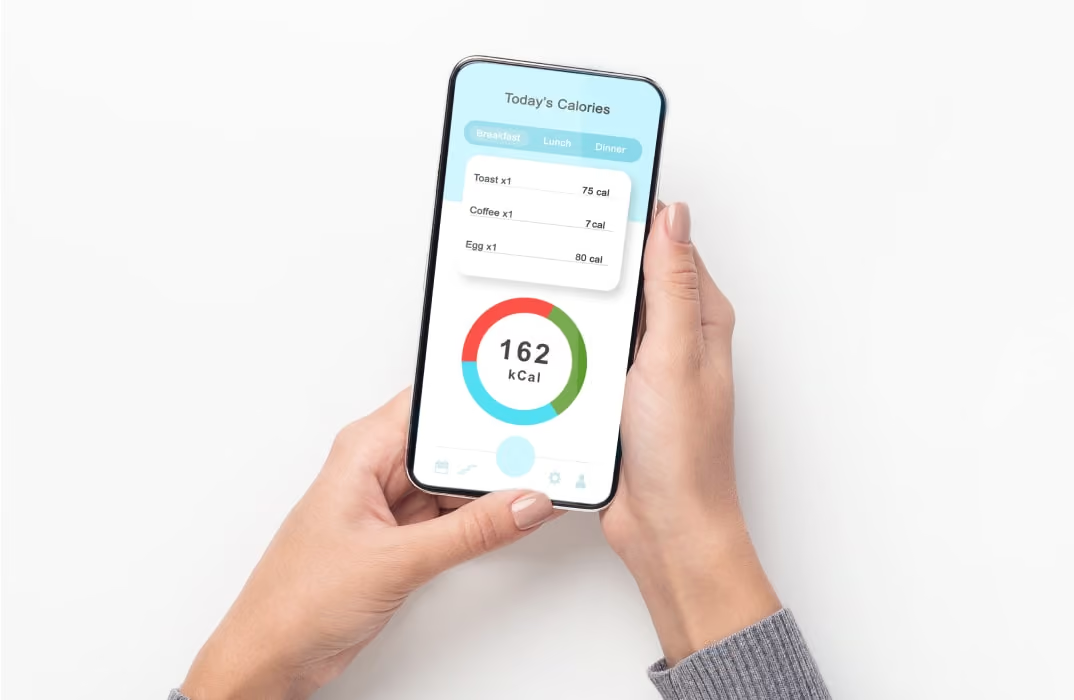
Seamless third-party app integration with platforms like Nike Training Club, Google Fit, and Apple Health allows users to track all aspects of their fitness journey in one place. Connecting with existing health apps improves user retention.
14. Premium Features & Subscription Plans
Offering premium features such as exclusive fitness challenges, one-on-one coaching, and personalized meal plans can enhance user experience while creating additional revenue streams. A well-structured subscription model ensures sustainable fitness app development, providing ongoing value to users and maximizing retention.
A successful fitness application should cater to its target audience by offering tiered subscription plans, unlocking advanced features like AI-driven insights, progress monitoring, and wearable device integration. By providing premium content and personalized workout plans, your app can attract long-term users who are committed to achieving their fitness goals.
15. AI-Powered Insights & Recommendations
A modern fitness application should leverage AI and machine learning to analyze user data and provide valuable insights. With advanced features like automated progress monitoring, AI can assess workout routines, nutrition tracking, and fitness progress, delivering smart recommendations tailored to each user’s needs.
AI-driven tracking can also monitor sleep patterns, helping users optimize recovery and performance. By analyzing trends in sleep quality, workout intensity, and daily activity, the app can suggest personalized adjustments to improve results. Efficient app processing ensures seamless AI-driven insights, making real-time adjustments to keep users engaged. Integrating these must-have features ensures fitness enthusiasts stay motivated and reach their fitness goals faster.
Final Thoughts: Building a Successful Fitness App
The demand for gym fitness tracking apps and personal trainer apps is growing, making it crucial for any app development company to include features of a fitness app that motivate users. From basic features like workout tracking to advanced tools like AI-driven insights and wearable device integration, a comprehensive fitness app enhances user engagement and retention.
If you’re looking to build a custom fitness app, partnering with an experienced mobile app development company ensures success. The right key features and seamless mobile app for gyms can help users stay committed to their fitness goals. Ready to stand out in the fitness industry? Get started today!
Also read: What to Look for in Gym Management Software
15 Essential Features for a Custom Fitness App
How to Choose the Best Gym Management Software for Your Membership



Meet the author
Aishwarya Mehra
With a passion for digital strategy and a keen eye for engagement, Aishwarya Mehra is your partner in turning clicks into clients and likes into loyal followers.
Frequently Asked Questions

Yangzey Sherpa leads content strategy at FitBudd, overseeing content planning and execution across fitness-focused digital channels. With over five years of experience in SEO and content, she works closely with the fitness industry to ensure content aligns with the needs of coaches, trainers, and gym owners. Her role keeps her deeply connected to fitness business workflows, coaching models, and how professionals use digital platforms to grow.


Apra Pathak has worked closely within the fitness niche for several years, supporting personal trainers and fitness coaches through content and digital marketing initiatives. Her experience centers on understanding how fitness professionals build visibility, communicate value, and engage clients online. Through sustained involvement with fitness-focused platforms and audiences, she has developed a strong understanding of the digital needs and growth challenges faced by modern fitness businesses.

Aishwarya Mehra has been actively involved in fitness-focused digital marketing, working closely with brands and platforms that serve coaches, trainers, and fitness businesses. Her experience spans engagement-driven strategies designed specifically for fitness audiences. Through ongoing exposure to fitness campaigns and communities, she remains closely aligned with how fitness professionals attract, convert, and retain clients in digital environments.

Suchandra Das has contributed content within the fitness niche, working on resources designed for coaches, trainers, and fitness business owners. Her experience involves supporting fitness-related topics with clear, structured, and accessible content. Through consistent involvement with fitness-focused platforms, she has developed familiarity with coaching workflows, client communication, and the informational needs of fitness professionals.
FitBudd is a fitness technology platform built exclusively for coaches, personal trainers, gym owners, and fitness professionals. The platform supports fitness businesses through branded apps, white-labeled solutions, and websites designed around real coaching and training workflows. FitBudd works closely with the global fitness community, maintaining deep, ongoing involvement in the fitness industry.

Ankit Uniyal has worked extensively with fitness-focused content, supporting platforms that cater to personal trainers, gym owners, and fitness professionals. His experience includes optimizing and structuring content around fitness-related search behavior and user intent. Through continued involvement in the fitness niche, he has gained a strong understanding of how trainers and coaches build discoverability and authority online.

Saumya Mittal is the Co-Founder and CEO of FitBudd. Since 2021, she has been actively engaged in the fitness technology sector, collaborating with global fitness companies to foster digital growth and scalable operations. With over a decade of experience leading high-impact projects in engineering and operations, Saumya has a strong background in developing reliable and scalable systems. Through FitBudd, she is dedicated to addressing the evolving needs of fitness professionals worldwide.

Kinshuk Snehi has been closely involved in the fitness space for over four years. Through his work at FitBudd, he has contributed to shaping how fitness professionals build their online presence, attract clients, and scale sustainable coaching businesses. Deeply interested in the intersection of fitness, technology, and growth, Kinshuk brings a hands-on understanding of the challenges faced by modern trainers. His passion lies in building systems and strategies that support long-term consistency, both in fitness journeys and business growth.

Kanika Verma has been closely involved in building solutions for the fitness industry, working with platforms used by coaches and trainers globally. Her experience includes direct exposure to fitness coaching workflows and operational needs. Through sustained involvement in fitness-focused product development, she has developed a strong understanding of how fitness professionals manage clients, programs, and daily operations.

Tanya Sharma has worked on branding initiatives within the fitness niche, supporting fitness platforms and businesses with visual identity design. Her experience includes creating brand systems used by coaches, trainers, and fitness-focused products. Through ongoing involvement in fitness-related design projects, she remains closely connected to how fitness brands communicate trust and professionalism.

Niharika Sonavane has contributed to visual design projects within the fitness industry, supporting platforms and brands serving fitness professionals. Her experience spans creating digital assets used across fitness apps, websites, and marketing materials. Through continued work in the fitness niche, she remains closely aligned with the visual communication needs of coaches and fitness businesses.

Elesh Patel has worked extensively on marketing initiatives within the fitness niche, managing paid campaigns for fitness-focused products and services. His experience includes supporting platforms that target personal trainers, gym owners, and fitness creators. Through long-term involvement in fitness marketing, he remains closely connected to how fitness professionals discover and adopt digital tools.


Workout Schedule & Progress Tracker Template
Stay on top of your fitness game with our customizable tracker to monitor progress and plan workouts.
Download Now
Templates
These functional templates have the power to make any fitness trainer's life easier.
Subscribe To
Our Blog