Are You Earning Up to Your Potential?
Most personal trainers are undervaluing their time and skills. Our Personal trainer Revenue Calculator helps you find out what you should be making, and how to get there.
No guesswork. Just real numbers.
.webp)
Introduction:
As the fitness world evolves, so does the conversation around optimal nutrition for athletes. Enter the rise of plant-based diets, a game-changer in enhancing performance and fostering overall health. The whole plant-based eating buzz isn't just hearsay – world-class athletes like ultramarathoner Scott Jurek and soccer star Alex Morgan have embraced the plant-powered path and excelled.

In this comprehensive guide, we'll navigate the terrain of plant-based nutrition tailored explicitly for athletes. Whether you're a seasoned fitness professional or someone embarking on their wellness journey, join us as we unravel practical insights and tips to help you and your clients harness the full potential of a plant-based approach for peak performance. Let's delve into the science and strategies behind plant-powered prowess.
💪 Got an idea for a brand? Let's bring it to life.
Launch your own fitness app with FitBudd in minutes!
💪 Got your brand name? Let’s bring it to life.
Launch your own fitness app with FitBudd in minutes!



88% trainers worldwide gave us 5 stars
Transform your fitness business with the power of your branded app on iOS and Android.
Try for FREEIs Plant-based Diet Better for Athletes?

Crafting a diet tailored for endurance athletes within a vegetarian or vegan lifestyle doesn't demand a significant departure from a typical healthy eating plan, except for omitting meat and animal products.
If your diet leans more towards fast food and less on the wholesome side, transitioning might require some adjustment. However, the shift to a vegetarian and plant-based diet involves minimal alterations for those already indulging in nutritious whole foods.
How far you take the plant-based approach is a matter of personal preference. Some vegetarian and vegan athletes opt for raw and gluten-free diets, citing increased energy levels and the myriad health benefits of plant-based foods.
Yet, the spectrum of health in plant-based diets allows for diverse choices. In my journey, I relish a variety of delectable cooked foods, aligning with the culinary pleasures enjoyed by those following more conventional diets.
What Does a Plant-based Athlete Eat in a Day?

Navigating the plant-based path for muscle gain and strength within a vegan or vegetarian diet involves a strategic approach to nutrition. Contrary to the misconception that a plant-based diet lacks the essentials for building muscle, athletes can achieve impressive results by focusing on key factors.
The foundation lies in optimizing macronutrient ratios, addressing caloric needs, and tailoring workout plans to align with vegan and vegetarian principles.
The versatility of plant-based proteins derived from sources such as legumes, tofu, and quinoa ensures a diverse and nutrient-rich intake. For example, incorporating protein-packed quinoa and black bean bowl into your post-workout routine provides essential amino acids, supporting muscle recovery and growth.
Meeting Protein Needs in a Plant-Based Diet (What do vegetarian athletes eat?)
Ensuring adequate protein intake is a pivotal aspect of optimizing athletic performance, especially for those adhering to vegan or vegetarian principles. Here's a breakdown of key considerations:
- Diverse Plant Sources: Contrary to misconceptions, vegan diets and plant-based diets, in general, offer an array of protein-rich options. Legumes, tofu, tempeh, edamame, and quinoa are excellent choices, providing essential amino acids for muscle health.
- Balancing Plant Proteins: Understanding the variety of plant proteins available is essential for maintaining a balanced diet. While individual plant sources may not contain all essential amino acids, a diversified approach ensures a comprehensive profile.
- Strategic Incorporation: Athletes can strategically incorporate protein-rich plant foods into their meals and snacks, addressing sports nutrition needs. This includes incorporating beans or lentils into salads, opting for tofu or tempeh in stir-fries, and enjoying quinoa or edamame as versatile protein sources.
Navigating protein needs within a plant-based framework dispels the notion that eating meat is the only solution. Athletes embracing vegan or vegetarian diets can confidently fuel their bodies for peak performance, contributing to overall health while aligning with their dietary choices.
Also read: Dietician vs. Nutritionist: Understanding the Key Differences
How Do You Become a Plant-based Athlete?
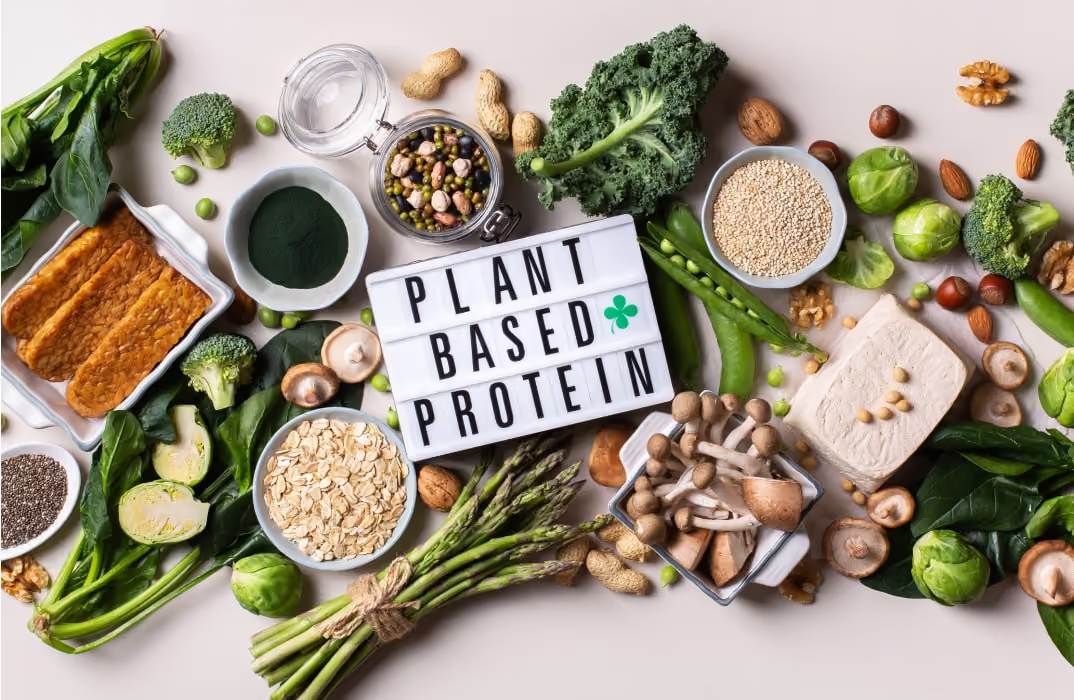
Ensure your pantry is well-stocked with these staple foods that form the foundation of diverse and nutritious meals:
1. Whole Grains:
- Brown rice
- Quinoa
- Oats
- Whole wheat pasta
- Bulgur wheat
- Buckwheat
- Farro
- Millet
2. Legumes:
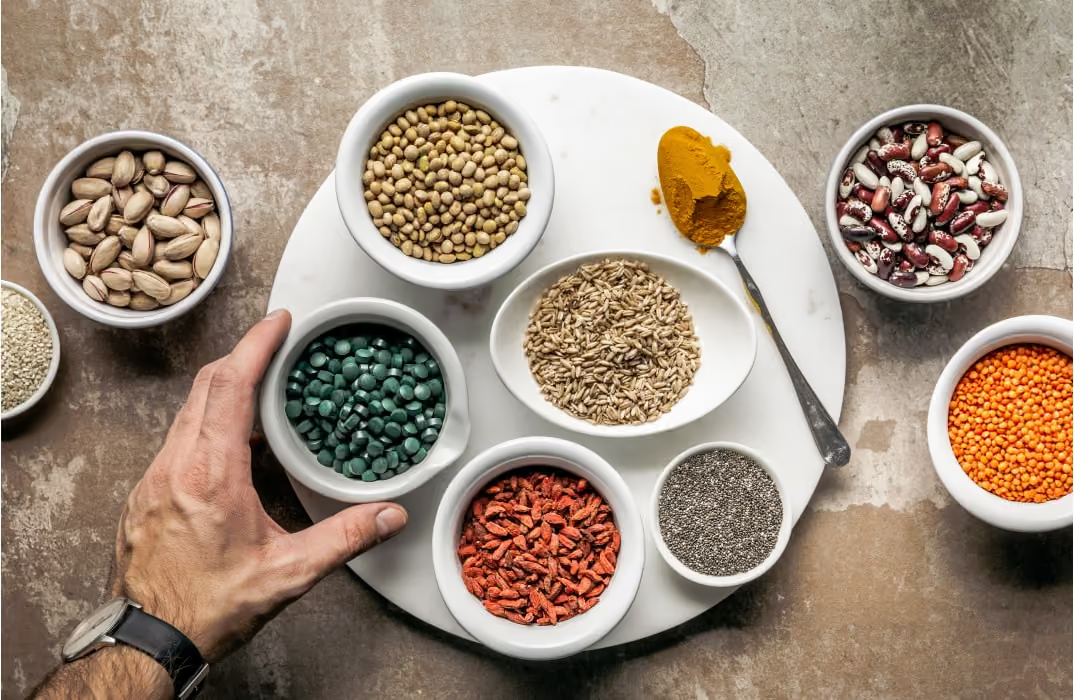
- Lentils
- Chickpeas
- Black beans
- Pinto beans
- Adzuki beans
3. Nuts and Seeds:
- Almonds
- Walnuts
- Chia seeds
- Flaxseeds
- Hempseeds
- Sunflower seeds
4. Plant-Based Proteins:

- Tofu
- Tempeh
- Seitan
- Plant-based protein powders
5. Healthy Oils:
- Olive oil
- Avocado oil
- Coconut oil
6. Herbs and Spices:
- Basil
- Cumin
- Turmeric
- Oregano
7. Canned Goods:
- Diced tomatoes
- Coconut milk
- Tomato paste
- Beans in water
8. Non-Dairy Alternatives:
- Almond milk
- Coconut milk
- Soy milk
9. Fresh Produce:
- Leafy greens (spinach, kale)
- Bell peppers
- Avocados
- Sweet potatoes
- All kinds of vegetables, cooked and raw
10. Whole Fruits:
- Apples
- Bananas
- Berries
- Citrus fruits
- All kinds of fruits, usually raw
11. Breads and Grains:
- Whole-wheat bread
- Bagels
12. Other Grains and Seeds:
- Quinoa
- Flaxseed
- Hempseed
- Chia seeds
13. Snacks and Spreads:

- Hummus
- Nut butters (almond, cashew, peanut, sunflower seed)
- Agave nectar (as workout fuel, not an all-purpose sweetener)
14. Beverages:
- Tea and coffee (limited)
15. Additional Protein Sources:
- Protein powder
These diverse staple foods provide the essential building blocks for crafting a wide range of delicious and nutritionally balanced plant-based meals.
Also read: Healthy Recipes by Personal Trainers for Weight Loss
Optimal Nutrient Intake: Striving for Balance in a Plant-Based Diet

Achieving optimal nutrient intake in a plant-based diet involves striking a harmonious balance of essential elements to support overall health and athletic performance. The key components within various plant food groups include:
1. Macronutrients:
- Carbohydrates: Provide energy for workouts and aid in recovery. Whole grains, legumes, and fruits are excellent sources.
- Proteins: Essential for muscle repair and growth. Tofu, legumes, and plant-based protein sources fulfill this requirement.
- Fats: Incorporating healthy fats, such as those from avocados, nuts, and seeds, contributes to sustained energy and overall well-being.
2. Micronutrients:
- Vitamins and Minerals: Ensure a diverse intake of plant foods rich in vitamins (e.g., vitamin C, B vitamins) and minerals (e.g., iron, calcium), promoting a healthy lifestyle.
3. Hydration:
- Ample water consumption is crucial for maintaining performance and aiding in digestion, a vital aspect of a healthy lifestyle for any athlete.
4. Antioxidants:
- Found in colorful fruits and vegetables, antioxidants combat oxidative stress, supporting recovery for the vegan athlete.
5. Fiber:
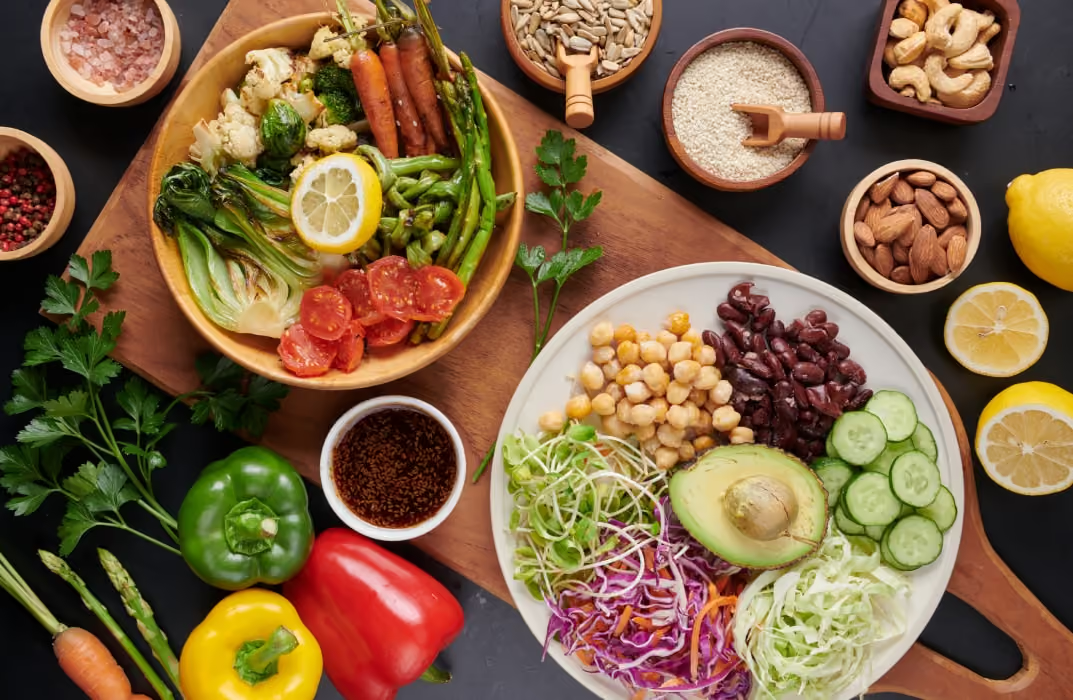
- Abundant in starchy vegetables, whole grains, legumes, and vegetables, fiber aids digestion, promoting a healthy gut and a well-rounded plant-based diet.
6. Healthy Fats:
- Essential for a vegan athlete's well-being, healthy fats contribute to overall health and are found in plant-based sources like avocados, nuts, and seeds.
7. Fat-Soluble Vitamins:

- Ensuring an adequate intake of fat-soluble vitamins is crucial for the vegan athlete's health, emphasizing the importance of incorporating plant foods rich in these nutrients.
Striving for this balance ensures athletes on a plant-based diet meet their nutritional needs, fostering optimal physical and mental well-being as part of their commitment to a healthy lifestyle. Individual variations and specific athletic goals may require tailored adjustments, but the overarching principle is to embrace a diverse and nutrient-rich plant-based plate for a thriving vegan athlete.
Navigating Common Concerns for Optimal Plant-Based Athletics:
Athletes contemplating a plant-based diet often express concerns about protein intake, nutrient deficiencies, muscle building, energy levels, and performance impact. Here's a concise guide to address these concerns while promoting optimal health:
1. Protein Intake:
- Include plant-based protein sources: legumes, tofu, tempeh.
- Plan meals for balanced protein distribution.
2. Nutrient Deficiency:
- Monitor nutrient levels through regular blood tests.
- Consider fortified foods or supplements.
3. Muscle Building:
- Optimize protein intake for muscle growth.
- Ensure a well-balanced, calorie-sufficient diet.
4. Energy Levels:
- Emphasize energy-dense plant foods: nuts, seeds, whole grains.
- Monitor overall calorie intake.
5. Performance Impact:
- Pay attention to overall nutrition, hydration, and recovery.
- Many athletes report improved performance on a well-balanced plant-based diet.
Navigating these concerns involves strategic meal planning, nutritional awareness, and gradually transitioning to a plant-based diet. Many fitness professionals now streamline this process using nutrition coaching software like FitBudd, which helps personalize plant-based meal plans, track micronutrients, and align nutrition strategies with training goals. This approach ensures athletes receive tailored guidance while exploring diverse vegan recipes that support performance, recovery, and long-term health outcomes.
Essential Supplements for Plant-Powered Athletes: A Breakdown
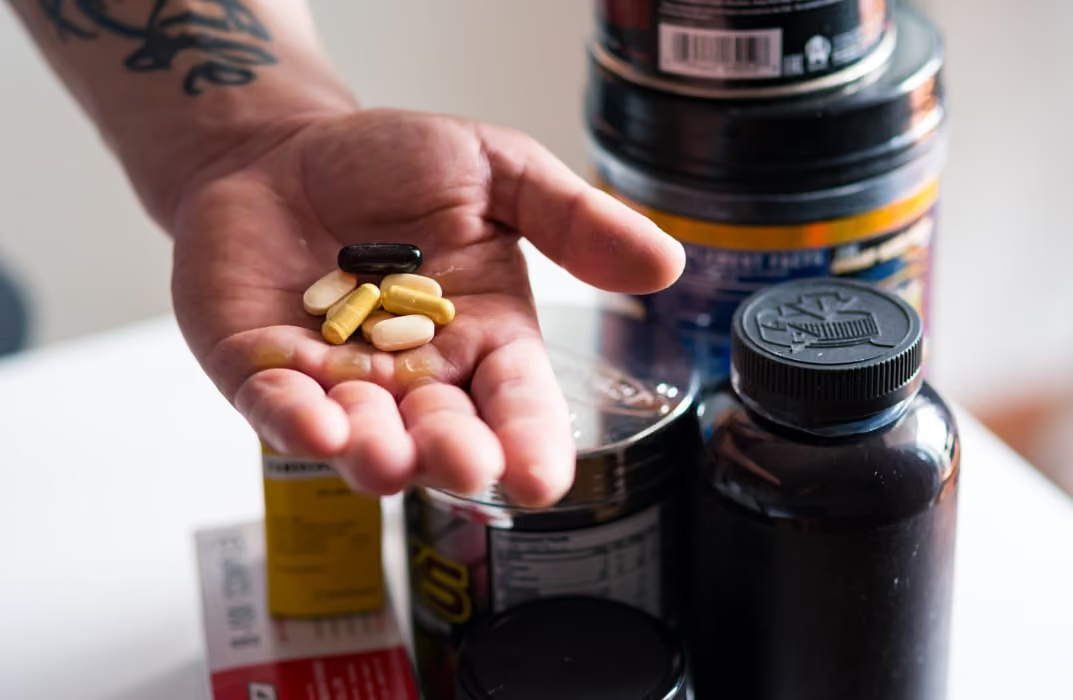
Professional athletes building muscle often require additional protein, especially during intense training. Plant-based protein powders, like peas, hemp, or rice, provide a convenient way to boost protein intake, supporting body composition goals. Fitness professionals, including personal trainers, can guide athletes in selecting high-quality supplements aligned with their dietary preferences and performance goals, making these choices an essential part of any food guide.
B12 Supplementation:
Vitamin B12, crucial for energy metabolism and neurological function, is mainly found in animal products like dairy. Plant-based athletes, including those under the guidance of a personal trainer, should consider B12 supplements to meet their daily needs. Fitness professionals can educate their clients about the importance of B12 supplementation, helping them choose suitable forms, such as methylcobalamin or cyanocobalamin.
Omega-3 Fatty Acids:
While plant-based diets naturally contain omega-3 fatty acids, professional athletes may need more EPA and DHA to support muscle building and recovery. Algal oil supplements offer a vegan-friendly source. Fitness professionals serving as personal trainers can recommend omega-3 supplements as part of a comprehensive food guide to support cardiovascular health and reduce inflammation, benefiting both active and sedentary people.
Iron Supplements:
Plant-based iron, found in foods like lentils and spinach, is less readily absorbed than the iron in dairy products. Professional athletes, particularly females, may benefit from iron supplementation to prevent deficiency and maintain optimal performance. As personal trainers, fitness professionals should monitor iron levels and guide athletes in choosing supplements that enhance absorption, such as pairing them with vitamin C-rich foods, making it crucial information for any comprehensive food guide.
Vitamin D:
Vitamin D, essential for bone health, is limited in plant foods. Plant-based athletes, including sedentary people, may need supplements, especially in areas with limited sunlight. Fitness professionals, including personal trainers, can suggest supplements and encourage regular exposure to sunlight to ensure athletes and clients maintain adequate vitamin D levels, a vital aspect of any comprehensive food guide.
Calcium Supplements:
While plant-based diets offer calcium from fortified plant milk and leafy greens, some professional athletes may need supplements to meet increased needs, a relevant consideration for any food guide. As personal trainers, fitness professionals can assess individual dietary intake and bone health, guiding athletes and sedentary individuals on appropriate supplementation if required, ensuring a well-rounded approach to nutrition for various lifestyles.
Conclusion:
In wrapping up our guide, it's clear that plant-based diets for athletes, supplemented strategically, offer a potent path to peak performance. Fitness professionals, particularly personal trainers, are crucial in recommending supplements tailored to individual needs. From protein powders aiding muscle development to B12 for energy and omega-3s supporting recovery, these considerations extend to active and sedentary individuals. While plant-based diets provide a solid foundation, the judicious use of supplements ensures a well-rounded approach, with calcium being a prudent consideration. The collaboration between athletes and fitness professionals is key in navigating the nuances of plant-based nutrition, creating a synergistic journey toward optimal performance and sustained well-being. Embracing plant-based supplements isn't just a choice; it's a strategic step towards a balanced and thriving athletic lifestyle.



Meet the author
Aishwarya Mehra
With a passion for digital strategy and a keen eye for engagement, Aishwarya Mehra is your partner in turning clicks into clients and likes into loyal followers.
Frequently Asked Questions

Yangzey Sherpa leads content strategy at FitBudd, overseeing content planning and execution across fitness-focused digital channels. With over five years of experience in SEO and content, she works closely with the fitness industry to ensure content aligns with the needs of coaches, trainers, and gym owners. Her role keeps her deeply connected to fitness business workflows, coaching models, and how professionals use digital platforms to grow.


Apra Pathak has worked closely within the fitness niche for several years, supporting personal trainers and fitness coaches through content and digital marketing initiatives. Her experience centers on understanding how fitness professionals build visibility, communicate value, and engage clients online. Through sustained involvement with fitness-focused platforms and audiences, she has developed a strong understanding of the digital needs and growth challenges faced by modern fitness businesses.

Aishwarya Mehra has been actively involved in fitness-focused digital marketing, working closely with brands and platforms that serve coaches, trainers, and fitness businesses. Her experience spans engagement-driven strategies designed specifically for fitness audiences. Through ongoing exposure to fitness campaigns and communities, she remains closely aligned with how fitness professionals attract, convert, and retain clients in digital environments.

Suchandra Das has contributed content within the fitness niche, working on resources designed for coaches, trainers, and fitness business owners. Her experience involves supporting fitness-related topics with clear, structured, and accessible content. Through consistent involvement with fitness-focused platforms, she has developed familiarity with coaching workflows, client communication, and the informational needs of fitness professionals.
FitBudd is a fitness technology platform built exclusively for coaches, personal trainers, gym owners, and fitness professionals. The platform supports fitness businesses through branded apps, white-labeled solutions, and websites designed around real coaching and training workflows. FitBudd works closely with the global fitness community, maintaining deep, ongoing involvement in the fitness industry.

Ankit Uniyal has worked extensively with fitness-focused content, supporting platforms that cater to personal trainers, gym owners, and fitness professionals. His experience includes optimizing and structuring content around fitness-related search behavior and user intent. Through continued involvement in the fitness niche, he has gained a strong understanding of how trainers and coaches build discoverability and authority online.

Saumya Mittal is the Co-Founder and CEO of FitBudd. Since 2021, she has been actively engaged in the fitness technology sector, collaborating with global fitness companies to foster digital growth and scalable operations. With over a decade of experience leading high-impact projects in engineering and operations, Saumya has a strong background in developing reliable and scalable systems. Through FitBudd, she is dedicated to addressing the evolving needs of fitness professionals worldwide.

Kinshuk Snehi has been closely involved in the fitness space for over four years. Through his work at FitBudd, he has contributed to shaping how fitness professionals build their online presence, attract clients, and scale sustainable coaching businesses. Deeply interested in the intersection of fitness, technology, and growth, Kinshuk brings a hands-on understanding of the challenges faced by modern trainers. His passion lies in building systems and strategies that support long-term consistency, both in fitness journeys and business growth.

Kanika Verma has been closely involved in building solutions for the fitness industry, working with platforms used by coaches and trainers globally. Her experience includes direct exposure to fitness coaching workflows and operational needs. Through sustained involvement in fitness-focused product development, she has developed a strong understanding of how fitness professionals manage clients, programs, and daily operations.

Tanya Sharma has worked on branding initiatives within the fitness niche, supporting fitness platforms and businesses with visual identity design. Her experience includes creating brand systems used by coaches, trainers, and fitness-focused products. Through ongoing involvement in fitness-related design projects, she remains closely connected to how fitness brands communicate trust and professionalism.

Niharika Sonavane has contributed to visual design projects within the fitness industry, supporting platforms and brands serving fitness professionals. Her experience spans creating digital assets used across fitness apps, websites, and marketing materials. Through continued work in the fitness niche, she remains closely aligned with the visual communication needs of coaches and fitness businesses.

Elesh Patel has worked extensively on marketing initiatives within the fitness niche, managing paid campaigns for fitness-focused products and services. His experience includes supporting platforms that target personal trainers, gym owners, and fitness creators. Through long-term involvement in fitness marketing, he remains closely connected to how fitness professionals discover and adopt digital tools.
-1-min.avif)



Meal Planner Template
Take control of your nutrition with our easy-to-use meal planner template, designed to simplify healthy eating.
Download Now
Templates
These functional templates have the power to make any fitness trainer's life easier.
Subscribe To
Our Blog