Are You Earning Up to Your Potential?
Most personal trainers are undervaluing their time and skills. Our Personal trainer Revenue Calculator helps you find out what you should be making, and how to get there.
No guesswork. Just real numbers.
.webp)
Introduction
Behind every successful client transformation, there’s more than just hard work in the gym there’s strategy, structure, and science. While workouts build strength and endurance, what fuels progress is the food that supports recovery, energy, and consistency. That’s why the combination of a personal trainer and nutritionist has become the ultimate game changer in achieving long-lasting client results.
For fitness professionals looking to deliver real outcomes, combining personal training with nutrition coaching bridges the gap between exercise and everyday habits. This partnership helps clients not only lose weight or build muscle but also develop a healthy relationship with food, improve energy levels, and sustain progress for the long haul.
{{gym-name-generator-form="/blog-gym-name-generator"}}
The Perfect Partnership: Why a Personal Trainer and Nutritionist Work Better Together
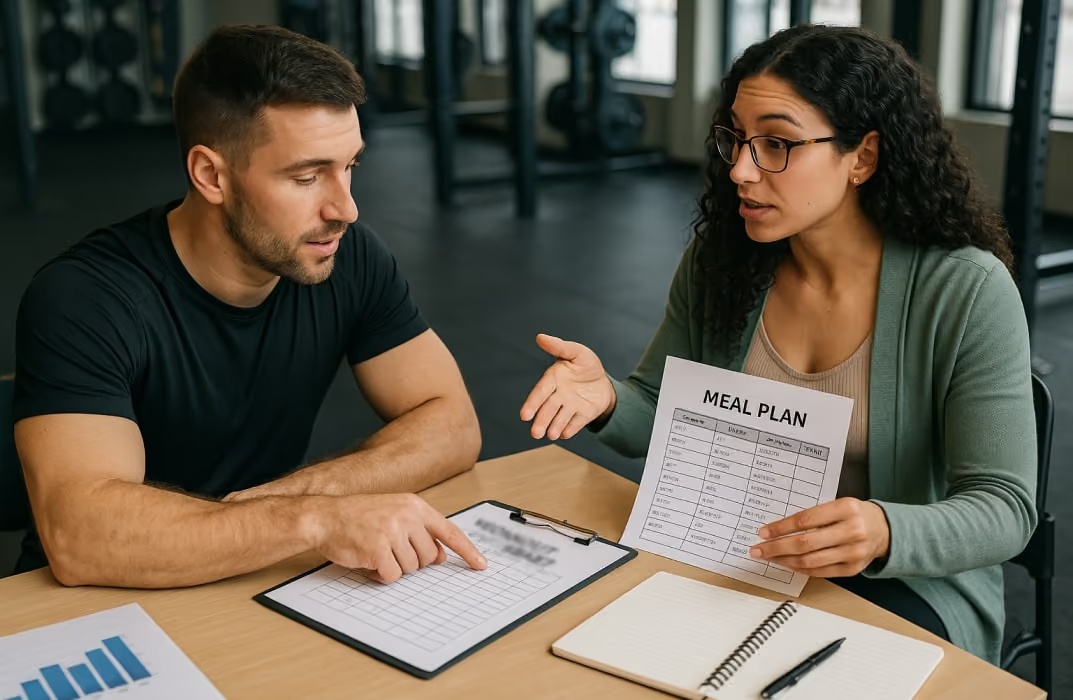
When fitness meets nutrition, results multiply. A personal trainer focuses on structured workouts, proper form, and consistent physical progress. A nutrition coach, on the other hand, supports behavior change, creates meal plans, and helps clients understand what fuels their performance.
Together, they form a powerhouse duo that addresses every part of a client’s fitness journey — from what happens in the gym to what happens in the kitchen. This collaboration ensures clients have clear direction, measurable milestones, and continuous support from two essential experts working toward one goal: client success.
For fitness professionals, combining these services increases client satisfaction and retention. It also positions you as a one-stop solution for everything related to health, training, and nutrition.
Also read: How to Offer Top-Notch Nutrition Coaching Services To Clients
Understanding the Roles of a Personal Trainer and Nutritionist
A personal trainer is the expert who creates fitness plans, teaches proper technique, and motivates clients through structured workouts. They help clients stay consistent, monitor progress, and adjust training intensity as goals evolve.
A nutritionist or certified nutrition coach focuses on what clients eat, how they eat, and why they make certain food choices. This includes analyzing current eating patterns, suggesting nutrition plans, and building healthy habits that align with fitness goals.
When these two professionals collaborate, clients benefit from comprehensive guidance movement, mindset, and meals all aligned for lasting results.
Also read: How To Keep Your Clients on Top of Their Health with Nutrition Coaching
How Combining Personal Training and Nutrition Coaching Transforms Results
A single focus on training or food alone can limit progress. But when personal training is paired with nutrition coaching, results become faster, safer, and more sustainable.
Research backs this up directly. A 2024 systematic review and network meta-analysis published in the journal Nutrients — examining multiple exercise types combined with multiple dietary strategies — concluded that combining exercise with dietary interventions produces greater improvements in body composition than either approach alone, across all combinations studied. This is not a matter of theory; it is one of the most replicated findings in applied exercise science.
Here’s how the combination drives success:
- Clients achieve balanced calorie intake to match workout intensity.
- Recovery improves through optimized protein intake and nutrient timing.
- Clients lose weight, build muscle, and stay energized throughout the day.
- Both short-term transformations and long-term health become achievable.
By integrating nutrition and fitness, coaches can deliver a more holistic approach — one that turns fitness plans into personalized lifestyle systems.
💪 Got an idea for a brand? Let's bring it to life.
Launch your own fitness app with FitBudd in minutes!
💪 Got your brand name? Let’s bring it to life.
Launch your own fitness app with FitBudd in minutes!



88% trainers worldwide gave us 5 stars
Transform your fitness business with the power of your branded app on iOS and Android.
Try for FREEThe Science Behind Training and Nutrition
Behind every effective fitness plan lies the science of movement and metabolism. Sports medicine and nutrition science show that training adaptations depend heavily on the body’s nutritional state.
Brian St. Pierre, MS, RD, CSCS — Director of Nutrition at Precision Nutrition, Registered Dietitian, Certified Strength and Conditioning Specialist, and former nutrition consultant to the NBA's San Antonio Spurs and Brooklyn Nets — has spent his career at the intersection of training and nutrition. His work with elite athletes illustrates a principle that applies equally to everyday clients: the body's ability to adapt to training is inseparable from how it is fueled before, during, and after the work.
For instance, a client who trains hard but neglects proper fuel may stall progress, lose motivation, or even experience burnout. Conversely, strategic eating using principles from precision nutrition ensures the body recovers, grows stronger, and adapts effectively.
For fitness coaches, understanding this science elevates their expertise. It’s not just about counting reps it’s about aligning diet, recovery, and training into one cohesive system that supports long-term success.
Why Every Fitness Professional Should Learn Nutrition Coaching
For most clients, achieving their goals doesn’t come down to effort it comes down to understanding. You can design the most effective personal training program, but if your clients eat poorly or inconsistently, progress slows. That’s why every fitness professional benefits from learning at least the basics of nutrition coaching.
Earning credentials like Certified Personal Trainer or Certified Nutrition Coach not only strengthens your credibility but also expands your ability to support clients. It shows you understand how training and nutrition work together to influence performance, recovery, and overall health.
By gaining knowledge in nutrition science, coaches can bridge the gap between the workout floor and the dining table. This allows them to create better results, increase client satisfaction, and strengthen long-term relationships because clients see faster, more consistent progress.
Creating a Fitness Coach Bundle for Maximum Impact
Imagine being able to offer your clients a complete transformation package one that covers both workouts and nutrition. That’s exactly what a fitness coach bundle provides.
This approach allows personal trainers to combine nutrition plans, behavior change strategies, and fitness programs into one seamless experience. It’s not just about helping clients look better but ensuring they feel better, perform better, and live healthier lives.
For fitness professionals, this strategy creates multiple benefits:
- Increased client value: Bundled services are more appealing and justify premium pricing.
- Better retention: Clients stay longer when they see complete results.
- Efficient programming: You can align workouts and meals for faster outcomes.
Platforms like FitBudd make it easier for coaches to deliver these all-in-one packages. Trainers can track workouts, monitor progress, and share meal plans directly through their custom apps helping clients stay engaged and accountable.
Building the Right Nutrition Plan for Clients
A great nutrition plan isn’t about restriction; it’s about personalization. Every person has unique preferences, goals, and habits, which means every plan must reflect that individuality.
When building nutrition strategies, fitness coaches should consider:
- Food preferences what clients enjoy eating.
- Current eating patterns when and how often they eat.
- Energy levels how their body responds to workouts and daily routines.
- Nutrition goals whether it’s to lose weight, build muscle, or improve overall wellness.
Adding elements like supplements, hydration tracking, and portion guidance helps refine the process. The goal is to create a plan that feels natural to follow, not forced.
Clients are far more likely to stick with a program when it fits their lifestyle. And when fitness professionals use behavior change strategies, they help clients make lasting shifts instead of temporary fixes.
How a Personal Trainer Can Apply Nutrition Coaching Without Overstepping
There’s a clear line between offering nutrition coaching and practicing medical nutrition therapy. Personal trainers can provide valuable education and general guidance, but when it comes to diagnosing or treating medical conditions, that’s where collaboration with a licensed nutritionist or dietitian becomes essential.
Here’s what fitness professionals can do safely and effectively:
- Offer general nutrition education and practical tips.
- Share meal plans or food templates approved within their certification scope.
- Help clients track macros, hydration, and portion sizes.
- Support behavior change and accountability.
What they should avoid:
- Recommending restrictive diets or supplements without proper training.
- Attempting to diagnose food sensitivities or health conditions.
By working closely with a personal trainer and nutritionist team, clients receive well-rounded, safe, and effective support. Trainers handle movement and motivation, while nutritionists handle detailed dietary analysis together, they create powerful, lasting results.
Common Fitness Goals That Require Both Training and Nutrition Support
Every client comes with a goal and behind each goal lies a mix of exercise and nutrition needs.
Here’s how combining personal training and nutrition coaching helps achieve common goals:
- Weight loss: Balanced calorie deficit, nutrient-dense foods, and progressive training.
- Build muscle: Proper protein intake, calorie surplus, and strength-based workouts.
- Improve endurance: Smart fueling and hydration aligned with cardio conditioning.
- Better wellness: Balanced fitness and nutrition routines that reduce stress and improve energy.
A personal trainer and nutritionist working together can adjust both workouts and meal plans as the client’s body adapts ensuring steady progress without burnout.
Personalized Coaching for Unique Goals
No two clients are the same. Every individual comes with their own background, limitations, and unique goals. Some want to lose weight, others want to build muscle, and many simply want to improve energy levels or develop a healthier relationship with food.
This is where combining personal training with nutrition coaching makes a huge difference. By addressing both movement and eating habits, coaches can tailor every plan to match the individual needs of their clients.
For example, one client might need a nutrition plan focused on improving recovery and protein intake, while another needs a mindset shift supported by behavior change strategies. The ability to blend both skills allows fitness professionals to create truly customized experiences that deliver lasting results.
Using Data and Tracking Progress for Long-Term Success
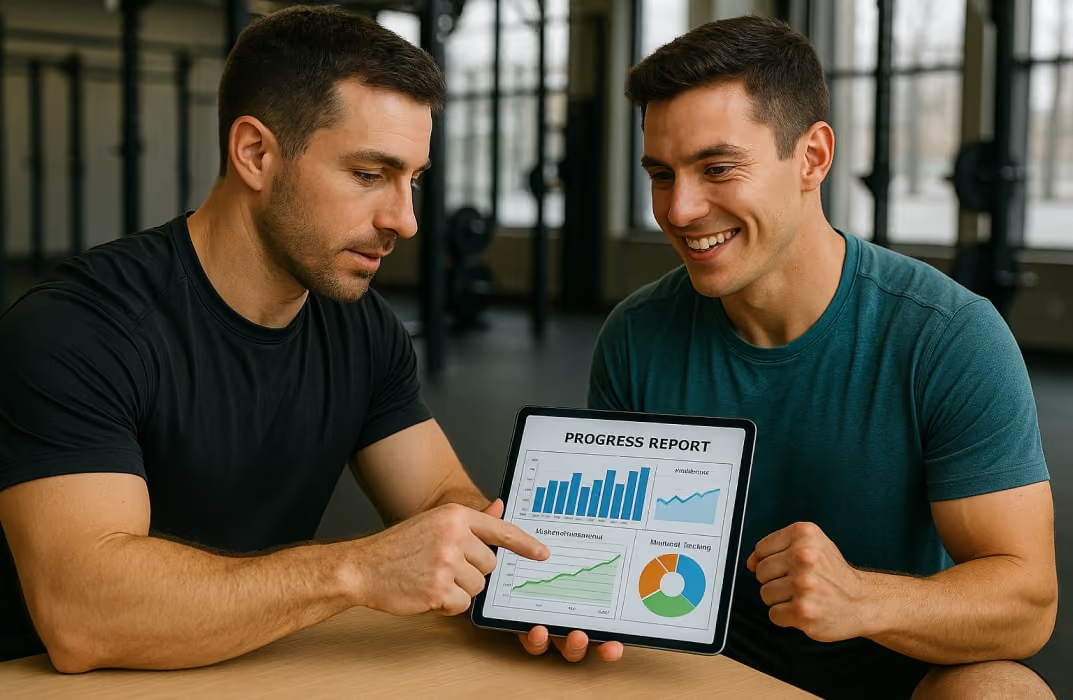
Progress isn’t just about what you see in the mirror it’s about measurable outcomes. Tracking is essential in both personal training and nutrition coaching because it gives clients proof that their efforts are paying off.
Successful coaches track:
- Weight changes and body composition
- Workout performance improvements
- Food logs and nutrition goals
- Energy levels and recovery rates
By combining this data, a personal trainer and nutritionist can fine-tune programs for optimal results. Adjusting fitness plans and nutrition plans based on progress helps clients stay motivated and committed for the long haul.
And when trainers use digital tools to track everything in one place, it builds transparency, trust, and a stronger coach-client relationship.
From the Gym to the Kitchen: Building Holistic Fitness Plans
Real transformation doesn’t stop when clients leave the gym. The decisions they make in the kitchen determine whether they progress or plateau.
A holistic approach that connects fitness and nutrition ensures clients get the best of both worlds. For example:
- Workouts build strength and endurance.
- Smart meal plans fuel recovery and muscle growth.
- Regular check-ins and feedback keep motivation high.
By helping clients plan their meals, balance protein intake, and make better food choices, fitness coaches set them up for long-term success beyond their gym membership.
When personal training and nutrition coaching come together, clients finally experience what it means to have complete support not just for workouts, but for their entire lifestyle.
The Role of Education and Certifications
Knowledge is the foundation of professional success. For fitness professionals, ongoing education through courses and certifications strengthens credibility and ensures safe, effective coaching.
Becoming a certified personal trainer or certified nutrition coach allows you to serve clients with confidence. Understanding nutrition science, sports medicine, and practical coaching strategies equips you to guide clients through every stage of their fitness journey.
Continuous learning not only keeps your skills sharp but also opens opportunities for growth — from specialized fitness coach bundles to online programs that reach a wider range of clients.
In an industry where new research and methods evolve quickly, staying educated is how you stay ahead.
Why Clients Stay Longer with Combined Coaching
Retention is the true measure of coaching success. Clients stay when they feel supported, understood, and guided toward visible progress. Offering both personal training and nutrition coaching ensures that support is complete.
Here’s why it works so well:
- More accountability: Clients engage daily with both workouts and nutrition tracking.
- Faster results: Balanced plans keep motivation high.
- Stronger relationships: Coaches help clients achieve health goals from all angles.
When clients experience continuous success, they’re more likely to renew, refer others, and trust their coach’s expertise long term. A personal trainer and nutritionist approach isn’t just good for results it’s good for business and long-term success.
Overcoming Client Challenges with Behavior Change Strategies
Even the most motivated clients face setbacks. Skipped workouts, emotional eating, and lack of consistency are common challenges. That’s where behavior change strategies come into play.
A great personal trainer or nutrition coach knows how to help clients reframe failure, build resilience, and create small wins. It’s about understanding habits, triggers, and emotions that influence their nutrition and fitness choices.
Ryan Andrews, RD, MS, CSCS — principal nutritionist and adviser at Precision Nutrition, Registered Dietitian, and certified exercise physiologist — has written extensively on the psychology of sustainable coaching. In his view, coaching nutrition and training together is fundamentally a behavior change practice: "With everything related to nutrition, exercise, and lifestyle, it's about helping the person find what works for them. Daily behaviors are what matters.
Practical strategies include:
- Setting realistic fitness goals and milestones
- Encouraging journaling for food and workouts
- Using positive reinforcement and motivational check-ins
- Helping clients identify patterns in current eating habits
When clients understand that progress isn’t linear, they stop feeling discouraged when they feel bad about a slip-up. Instead, they see every challenge as part of their fitness journey a step toward long-term health and transformation.
The Business Advantage of Being Both a Personal Trainer and Nutritionist
For fitness professionals, mastering both training and nutrition isn’t just about better results it’s a smart business move.
Offering combined coaching expands your reach, increases your revenue potential, and helps you stand out from other trainers. Clients prefer convenience and trust experts who can handle their entire wellness journey in one place.
Here’s what makes this dual skill set powerful:
- You can offer fitness coach bundles that include meal plans, workouts, and mindset support.
- Clients see faster results, leading to better testimonials and referrals.
- You build authority as a holistic fitness coach rather than just a “gym instructor.”
Some FitBudd coaches already use this model successfully automating nutrition coaching, workouts, and communication within their custom apps. It’s efficient, scalable, and creates a truly game changer experience for both coach and client.
Real-World Examples: How Top Fitness Coaches Use This Approach
Many successful fitness professionals credit their growth to integrating personal training and nutrition coaching.
For example, a certified personal trainer who adds nutrition plans and mindset check-ins can double their client engagement. Another coach might focus on group challenges that combine fitness and nutrition helping clients support each other while tracking progress together.
What stands out is how this dual approach deepens connection and trust. Clients feel supported in every area of their health, making it easier to maintain momentum and achieve lasting results.
It’s not just about providing a program; it’s about becoming part of a client’s life, helping them navigate obstacles and celebrate wins.
Long-Term Health and Lifestyle Benefits for Clients
The combination of a personal trainer and nutritionist doesn’t just change bodies it changes lives.
Clients who receive both nutrition and fitness guidance learn sustainable habits they can maintain without extreme diets or burnout. Over time, this leads to:
- Better energy levels and recovery
- Improved relationship with food
- Reduced risk of injuries through proper fueling
- Enhanced mental wellness and confidence
A holistic approach builds foundations for long-term success. Instead of chasing short-term transformation, clients experience steady progress and improved wellness for the long haul.
Why the Future of Fitness is Nutrition + Training Combined
The fitness industry is evolving rapidly, and clients expect more than just workouts. They want complete solutions that align with their lifestyle, preferences, and goals. That’s why the future belongs to fitness professionals who blend training and nutrition coaching into one cohesive service.
Advancements in sports medicine, data tracking, and precision nutrition have made it easier than ever to personalize every aspect of a fitness plan. Coaches who combine both areas of expertise will be able to deliver measurable results faster and with more impact.
In short, the modern fitness coach isn’t just a trainer they’re a guide for long-term health, mindset, and sustainable transformation.
Conclusion: The Power Duo That Drives Success
When it comes to client transformation, the combination of a personal trainer and nutritionist is unbeatable. Together, they create balance merging movement, nutrition, and mindset into one powerful system that drives real change.
For fitness professionals, learning how to integrate both personal training and nutrition coaching means delivering more value, building trust, and creating programs that deliver lasting results.
By understanding how exercise and food work together, you’re not just helping clients reach their goals you’re helping them build a healthier, happier life.


Meet the author
Ankit
Frequently Asked Questions

Yangzey Sherpa leads content strategy at FitBudd, overseeing content planning and execution across fitness-focused digital channels. With over five years of experience in SEO and content, she works closely with the fitness industry to ensure content aligns with the needs of coaches, trainers, and gym owners. Her role keeps her deeply connected to fitness business workflows, coaching models, and how professionals use digital platforms to grow.


Apra Pathak has worked closely within the fitness niche for several years, supporting personal trainers and fitness coaches through content and digital marketing initiatives. Her experience centers on understanding how fitness professionals build visibility, communicate value, and engage clients online. Through sustained involvement with fitness-focused platforms and audiences, she has developed a strong understanding of the digital needs and growth challenges faced by modern fitness businesses.

Aishwarya Mehra has been actively involved in fitness-focused digital marketing, working closely with brands and platforms that serve coaches, trainers, and fitness businesses. Her experience spans engagement-driven strategies designed specifically for fitness audiences. Through ongoing exposure to fitness campaigns and communities, she remains closely aligned with how fitness professionals attract, convert, and retain clients in digital environments.

Suchandra Das has contributed content within the fitness niche, working on resources designed for coaches, trainers, and fitness business owners. Her experience involves supporting fitness-related topics with clear, structured, and accessible content. Through consistent involvement with fitness-focused platforms, she has developed familiarity with coaching workflows, client communication, and the informational needs of fitness professionals.
FitBudd is a fitness technology platform built exclusively for coaches, personal trainers, gym owners, and fitness professionals. The platform supports fitness businesses through branded apps, white-labeled solutions, and websites designed around real coaching and training workflows. FitBudd works closely with the global fitness community, maintaining deep, ongoing involvement in the fitness industry.

Ankit Uniyal has worked extensively with fitness-focused content, supporting platforms that cater to personal trainers, gym owners, and fitness professionals. His experience includes optimizing and structuring content around fitness-related search behavior and user intent. Through continued involvement in the fitness niche, he has gained a strong understanding of how trainers and coaches build discoverability and authority online.

Saumya Mittal is the Co-Founder and CEO of FitBudd. Since 2021, she has been actively engaged in the fitness technology sector, collaborating with global fitness companies to foster digital growth and scalable operations. With over a decade of experience leading high-impact projects in engineering and operations, Saumya has a strong background in developing reliable and scalable systems. Through FitBudd, she is dedicated to addressing the evolving needs of fitness professionals worldwide.

Kinshuk Snehi has been closely involved in the fitness space for over four years. Through his work at FitBudd, he has contributed to shaping how fitness professionals build their online presence, attract clients, and scale sustainable coaching businesses. Deeply interested in the intersection of fitness, technology, and growth, Kinshuk brings a hands-on understanding of the challenges faced by modern trainers. His passion lies in building systems and strategies that support long-term consistency, both in fitness journeys and business growth.

Kanika Verma has been closely involved in building solutions for the fitness industry, working with platforms used by coaches and trainers globally. Her experience includes direct exposure to fitness coaching workflows and operational needs. Through sustained involvement in fitness-focused product development, she has developed a strong understanding of how fitness professionals manage clients, programs, and daily operations.

Tanya Sharma has worked on branding initiatives within the fitness niche, supporting fitness platforms and businesses with visual identity design. Her experience includes creating brand systems used by coaches, trainers, and fitness-focused products. Through ongoing involvement in fitness-related design projects, she remains closely connected to how fitness brands communicate trust and professionalism.

Niharika Sonavane has contributed to visual design projects within the fitness industry, supporting platforms and brands serving fitness professionals. Her experience spans creating digital assets used across fitness apps, websites, and marketing materials. Through continued work in the fitness niche, she remains closely aligned with the visual communication needs of coaches and fitness businesses.

Elesh Patel has worked extensively on marketing initiatives within the fitness niche, managing paid campaigns for fitness-focused products and services. His experience includes supporting platforms that target personal trainers, gym owners, and fitness creators. Through long-term involvement in fitness marketing, he remains closely connected to how fitness professionals discover and adopt digital tools.




Meal Planner Template
Take control of your nutrition with our easy-to-use meal planner template, designed to simplify healthy eating.
Download Now
Templates
These functional templates have the power to make any fitness trainer's life easier.
Subscribe To
Our Blog