Are You Earning Up to Your Potential?
Most personal trainers are undervaluing their time and skills. Our Personal trainer Revenue Calculator helps you find out what you should be making, and how to get there.
No guesswork. Just real numbers.
.webp)
A member complains that weights are never re-racked. Another cancels because someone hogged the squat rack for 45 minutes while scrolling Instagram. A third leaves a negative review about locker room hygiene.
These aren't isolated incidents. They're the slow leak that drains your retention numbers.
According to IHRSA research, gyms perceived as unclean see customer satisfaction drop from 83% to 43% and retention rates plummet from 90% to 52%. But "cleanliness" is only part of the equation. The broader issue is culture. And culture is shaped by etiquette.
For gym owners, studio operators, and fitness coaches, establishing and enforcing clear gym etiquette isn't about being the rule police. It's about creating an environment where members actually want to show up. This guide covers what you need to know from floor rules to sauna protocols to shower etiquette plus how to communicate and enforce policies without alienating your community.
Understanding proper gym etiquette begins with recognizing that every person in your fitness facility is on their own unique fitness journey. Whether they're following a structured weight-training routine or simply trying to establish a consistent gym routine, fellow gym-goers deserve respect and consideration. What seems like common sense to experienced lifters might not be obvious to someone new to the gym floor, which is why explicit policies matter more than you realize.
Why Gym Etiquette Matters for Your Business
Gym etiquette might seem like common sense. Wipe down equipment. Re-rack your weights. Don't hog machines. But "common sense" varies wildly from person to person.
When etiquette isn't explicitly defined and consistently enforced, problems compound:
Retention suffers. Members become frustrated when they must constantly remove someone else's plates or wait indefinitely for equipment. That frustration builds quietly until they simply don't renew.
Safety risks increase. Scattered weights create tripping hazards. Members who don't understand equipment protocols can injure themselves or others. Poor hygiene spreads illness.
Community erodes. A gym where some members feel entitled to bend the rules creates resentment among those who follow them. That division undermines the sense of belonging that keeps people coming back.
Staff morale drops. When etiquette isn't enforced, staff members either become constant enforcers (exhausting) or stop trying altogether (leading to worse member behavior).
The flip side? Gyms with clear expectations and consistent enforcement create environments where members feel respected, safe, and comfortable. That translates directly to longer memberships, more referrals, and stronger revenue.
When gym goers understand the importance of equipment cleanliness and proper etiquette, the entire atmosphere improves. Most people want to do the right thing—they simply need clear guidance. A beginner's guide to gym etiquette 101 should be part of every new member orientation. This foundation helps other gym goers feel respected and keeps gym goers safe from preventable accidents. Remember: not everyone has previous experience in a gym environment, so clear expectations make a big difference in how quickly they adapt.
The 10 Essential Gym Etiquette Rules Every Facility Needs
While specific policies vary by facility type, these ten rules form the foundation of a respectful gym environment. Adapt the language to match your brand, but don't skip the substance.
1. Wipe Down Equipment After Every Use
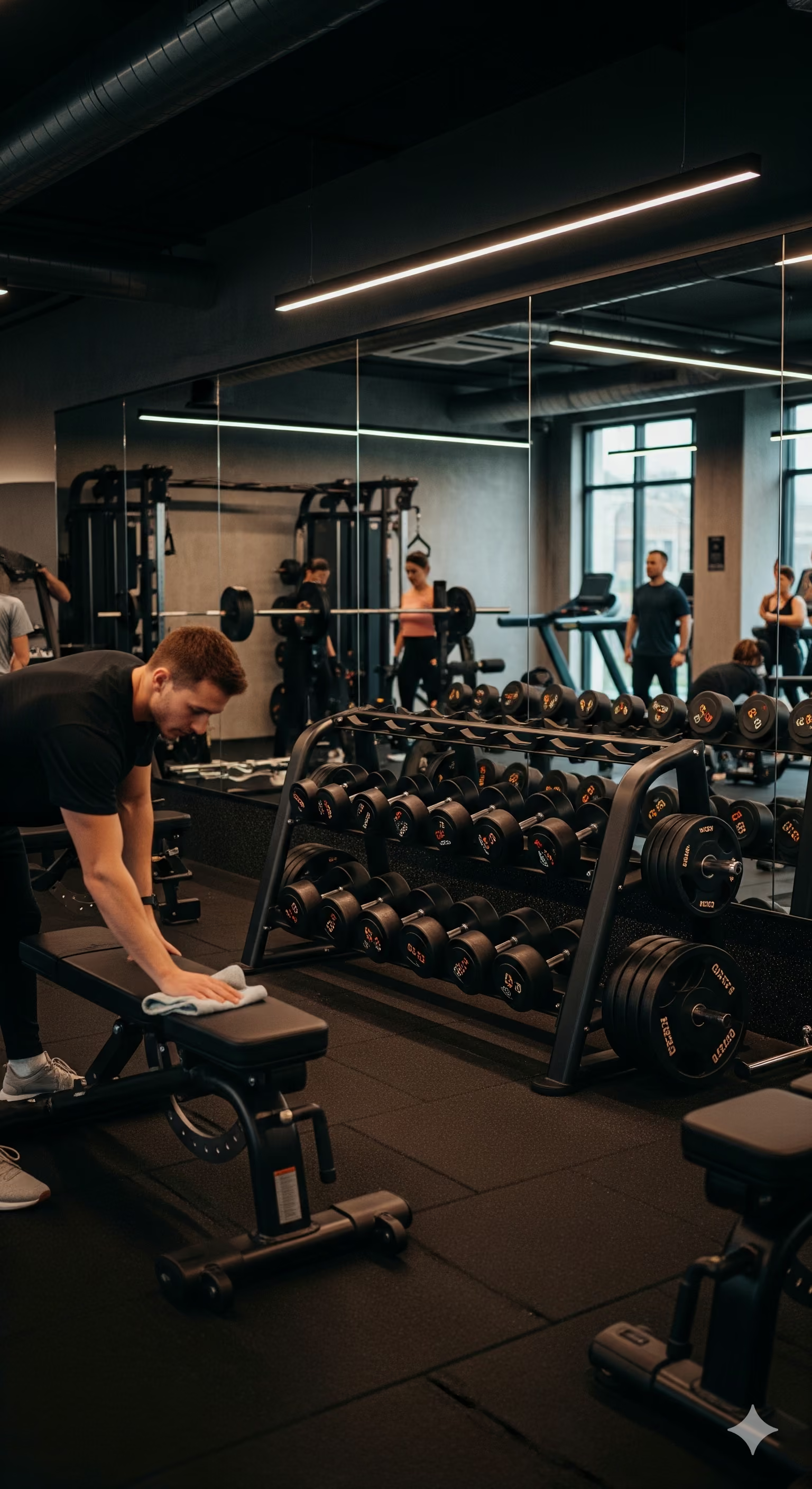
This is non-negotiable. Sweat, skin cells, and bacteria accumulate on benches, handles, and pads. Provide sanitizing wipes or spray bottles throughout the facility, and make expectations clear through signage.
Every piece of equipment deserves attention after use. Most gyms provide disinfectant spray or paper towels at multiple stations, making it easy to quickly wipe down equipment. Taking 10 seconds to wipe sweat off a bench or treadmill shows common courtesy toward the next person who needs it. Nobody wants to encounter a big, sweaty puddle when they're ready to start their exercise.
2. Re-Rack Weights and Return Equipment
Dumbbells go back on the rack in the correct spot. Plates get stripped from barbells. Resistance bands return to their hooks. This keeps the floor safe and equipment accessible.
The weight room functions smoothly when everyone commits to organization. After finishing your set, always re-rack your weights in their designated spots on the dumbbell rack. Don't drop weights unless you're doing Olympic lifts on proper platforms. When you strip plates from a bench press or squat rack, return them to their proper positions so fellow lifters can easily find what they need. If you're strong enough to load more weight for your lift, you're strong enough to put it back—no exceptions. This simple practice prevents someone from becoming an equipment hog by leaving multiple pieces of equipment scattered around.
3. Respect Time Limits on Cardio Equipment
During peak hours, treadmills and ellipticals are in high demand. Post time limits (typically 30 minutes) and enforce them. Members can always hop back on if machines free up.
4. Share Equipment During Busy Periods
"Working in" is standard gym practice. Members take turns using a piece of equipment between each other's sets. Train your staff to facilitate this when conflicts arise.
Sharing equipment during peak hours reflects good gym etiquette and mutual respect among other members. When the gym floor is crowded, and someone approaches to work in, don't treat machines or other pieces of equipment as your personal domain. Everyone pays membership fees and deserves fair access to the fancy equipment and standard machines alike. Being mindful of how long you occupy a popular station—especially when scrolling through your cell phone between sets—makes a significant difference in overall gym culture.
5. Keep Noise Levels Reasonable
Some noise is expected as this is a gym, not a library. But excessive grunting, dropping weights unnecessarily, or playing audio without headphones disrupts others' focus. Set clear standards.
6. Maintain Personal Space
Crowding someone mid-set is distracting and potentially dangerous. Members should give others at least three feet of space when possible, and avoid walking directly in front of someone lifting.
Respecting space helps people maintain focus during their workout. When someone is mid-set, give them room to complete their exercise without feeling crowded. This matters especially during complex movements like pull ups or exercises that engage multiple muscles and require full body coordination. We hope everyone understands that maintaining adequate space isn't about being antisocial—it's about safety and allowing each person to concentrate on their routine without distraction.
💪 Got an idea for a brand? Let's bring it to life.
Launch your own fitness app with FitBudd in minutes!
💪 Got your brand name? Let’s bring it to life.
Launch your own fitness app with FitBudd in minutes!



88% trainers worldwide gave us 5 stars
Transform your fitness business with the power of your branded app on iOS and Android.
Try for FREE7. Use Phones Appropriately
Calls should be taken off the floor. Headphone volume should stay contained. And filming or photography especially in locker rooms that requires explicit policies to protect member privacy.
Your phone usage affects other gym goers' experience more than you might realize. While it's acceptable to use your phone for tracking your workout routine or fitness apps (just press enter to log your sets and move on), extended scrolling or loud conversations disrupt everyone around you.
As an example, spending five minutes on social media while occupying a popular bench frustrates those waiting. Keep phone breaks brief between sets, store your device in your gym bag when not needed, and never bring phones into locker rooms where privacy expectations are highest.
8. Dress Appropriately
Define what "appropriate" means for your facility. Most gyms require closed-toe athletic shoes, shirts, and bottoms that provide adequate coverage. Avoid overly revealing attire that may make others uncomfortable.
Appropriate workout clothes balance personal comfort with consideration for fellow gym goers. Your gym should specify dress code requirements clearly—most gyms require closed-toe athletic shoes, shirts, and adequate bottom coverage. Pack clean workout clothes in your gym bag and avoid wearing the same outfit multiple days without washing. Proper attire protects your body during exercise, supports good grip strength when needed, and maintains professional standards that make everyone comfortable during their workout.
9. Practice Good Hygiene
Members should arrive in clean workout clothes and use deodorant. Those who've just finished sweaty cardio should rinse off before entering the sauna or pool. Frame this as mutual respect, not judgment.
Personal hygiene standards protect everyone's health and comfort. Beyond wearing clean workout clothes, good personal hygiene means using deodorant, bringing a towel to manage sweat, and always wearing flip flops in shower areas. Keep your personal belongings organized in your gym bag rather than spreading them across shared space. We hope all members recognize that maintaining proper personal hygiene isn't about perfection—it's about showing respect for shared space and consideration for other members.
10. Ask for Help When Needed
Encourage members to approach staff with questions about equipment, form, or protocols. This prevents misuse, reduces injuries, and creates opportunities for your team to build relationships.
People at all fitness levels benefit from guidance as they work toward their fitness goals. Whether someone needs help understanding dumbbells progression, proper form for pull ups, or how to use a specific piece of equipment, staff should be approachable and ready to assist. This openness builds trust and helps members navigate their fitness journey with confidence. Remember: asking questions strengthens the entire gym community and prevents unsafe practices.
Gym Sauna Etiquette: What Your Facility Policies Should Cover
If your gym offers a sauna, you need dedicated etiquette guidelines. Saunas are intimate spaces where violations feel more intrusive and complaints can escalate quickly.
Shower Before Entering
Members coming straight from a workout should rinse off before entering the sauna. Post-workout sweat and body odor in a small, heated space creates an unpleasant experience for everyone.
Bring (and Use) a Towel
Every member should sit on a towel with no exceptions. This protects the benches from direct sweat contact and maintains hygiene. Consider requiring two towels: one to sit on, one to wear.
Know the Dress Code
Policies vary by facility. Some require swimwear; others allow towel-only. Whatever you decide, make the dress code explicit and consistently enforced. Ambiguity creates awkward situations.
Respect the Quiet Environment
Saunas are traditionally quiet, meditative spaces. Conversations should be brief and at whisper volume. Phones should stay outside or remain completely silent.
No Phones or Recording Devices
This is critical. Members expect privacy in the sauna. A visible phone even if the camera isn't in use creates discomfort. Make locker rooms and saunas phone-free zones.
Limit Session Length
Recommend 15–20 minute sessions, with clear signage about the health risks of extended exposure. This also ensures fair access when the sauna is in demand.
Don't Exercise in the Sauna
Stretching, push-ups, or any active movement doesn't belong in a shared sauna. It's distracting, potentially dangerous in the heat, and splashes sweat on other occupants.
Ask Before Adjusting Temperature or Adding Water
Pouring water on heated rocks or adjusting the thermostat affects everyone present. Members should ask before making changes.
Gym Shower Etiquette: Setting Clear Locker Room Standards
Locker rooms and showers are where etiquette violations feel most personal. Clear policies protect member privacy and maintain a hygienic environment.
Keep Showers Brief
Recommend 5–10 minute showers, especially during peak hours. The gym shower is for rinsing off, not a full at-home grooming routine.
Wear Flip-Flops
Encourage (or require) shower shoes to protect against fungal infections like athlete's foot. This also signals to other members that hygiene is taken seriously.
Use the Space Efficiently
Members shouldn't spread belongings across multiple benches or counters. Keep personal items contained to allow others room to change.
Maintain Privacy Standards
Define expectations around nudity and towel use based on your member demographics and facility design. Some gyms require members to wrap towels when walking between lockers and showers; others are more relaxed.
No Phones in Locker Rooms
This rule protects privacy and prevents the discomfort of visible cameras in spaces where members are undressed. Violations should result in warnings even after repeated violations in membership consequences.
Don't Hover or Rush Others
If showers are full, members should wait at a reasonable distance rather than standing directly behind occupied stalls. Staff can help manage queues during busy times.
Leave the Space Clean
Hair in drains, soap residue on walls, and wet towels on benches are common complaints. Ask members to rinse their area and dispose of trash properly.
How to Communicate Etiquette Policies Effectively
Having rules isn't enough. Members need to know them, understand them, and feel motivated to follow them. Here's how to communicate effectively:
Post Professional Signage
Print and frame etiquette policies in visible locations throughout the facility—the gym floor, weight room, cardio area, locker rooms, and sauna entrance. Handwritten signs or photocopied fliers get ignored.
Include Rules in Onboarding
New members should receive a printed or digital handbook outlining expectations. Walk them through key policies during their initial tour or orientation session.
Reference Policies in Contracts
Include etiquette expectations in membership agreements. This creates a clear reference point if enforcement becomes necessary.
Send Regular Reminders
Use email newsletters, app notifications, or social media to periodically reinforce etiquette. Frame these positively and celebrate the community culture you're building rather than scolding.
Train Staff Thoroughly
Every team member should understand the policies and know how to address violations. Role-play difficult conversations so staff feel confident handling real situations.
Enforcing Gym Etiquette Without Alienating Members
Enforcement is where most gyms struggle. Too strict, and members feel policed. Too lenient, and rules become meaningless. Here's how to strike the balance:
Address Issues Promptly and Privately
Don't let violations slide. When staff observe a breach, they should address it immediately but discreetly. Pull the member aside or into an office rather than calling them out publicly.
Lead with Respect
Use phrases like "I wanted to remind you about our policy on..." rather than accusations. Assume ignorance before assuming rudeness.
Be Consistent
Nothing undermines etiquette faster than selective enforcement. If one member is reminded to re-rack weights but another isn't, the policy loses credibility. Train staff to apply rules uniformly.
Document Repeated Violations
Track patterns. If the same member consistently violates policies, escalate through warnings, then consequences. Having documentation protects you if termination becomes necessary.
Empower Staff to Act
Front-line team members need authority to address minor violations on the spot. They shouldn't have to find a manager every time someone leaves weights on the floor.
Model the Behavior
Staff should follow all etiquette policies themselves. If trainers don't wipe down equipment or re-rack weights, members won't either.
How Fitness Coaches Can Reinforce Gym Etiquette
Personal trainers and group fitness instructors have unique opportunities to shape member behavior. Use them.
Teach Etiquette During Sessions
When introducing a new exercise or piece of equipment, include the etiquette component. "After your set, we'll wipe this down and return it to the rack." Make it part of the routine.
Correct Form and Etiquette Together
If a client is using equipment incorrectly, address both the safety issue and any etiquette concerns. "Let me show you how to adjust this machine and when you're done, here's how we reset it for the next person."
Set the Standard in Group Classes
At the start of group sessions, briefly review expectations: return equipment to its spot, wipe down mats, be mindful of space. This normalizes good behavior for new members.
Address Client Violations Directly
If your client is breaking etiquette rules, you're responsible for correcting it. Don't let their behavior reflect poorly on your professionalism or create problems for other members.
Handling Common Etiquette Complaints
Certain violations generate the most member complaints. Here's how to address the frequent offenders:
Equipment Hogging: Implement peak-hour time limits on popular machines. Train staff to facilitate "working in" when members are waiting.
Unsolicited Advice: Remind members that offering workout tips to strangers, no matter how well-intentioned, it can feel intrusive. Save advice for those who ask.
Loud Phone Conversations: Post clear "no calls on the floor" signage. Staff should politely redirect callers to the lobby or designated area.
Poor Hygiene: This is sensitive. If a member's hygiene creates complaints, a manager should address it privately and compassionately framing it as a facility policy, not a personal attack.
Phone Cameras in Locker Rooms: Zero tolerance. Even if the member claims they weren't recording, the presence of a phone makes others uncomfortable. Enforce your policy consistently.
Looking to keep members engaged beyond the gym floor? A branded fitness app lets you deliver workouts, track progress, and build community, strengthening retention before etiquette issues ever arise. Launch a branded app for your gym with FitBudd and scale your business.


Meet the author
Yangzey Sherpa
Frequently Asked Questions

Yangzey Sherpa leads content strategy at FitBudd, overseeing content planning and execution across fitness-focused digital channels. With over five years of experience in SEO and content, she works closely with the fitness industry to ensure content aligns with the needs of coaches, trainers, and gym owners. Her role keeps her deeply connected to fitness business workflows, coaching models, and how professionals use digital platforms to grow.


Apra Pathak has worked closely within the fitness niche for several years, supporting personal trainers and fitness coaches through content and digital marketing initiatives. Her experience centers on understanding how fitness professionals build visibility, communicate value, and engage clients online. Through sustained involvement with fitness-focused platforms and audiences, she has developed a strong understanding of the digital needs and growth challenges faced by modern fitness businesses.

Aishwarya Mehra has been actively involved in fitness-focused digital marketing, working closely with brands and platforms that serve coaches, trainers, and fitness businesses. Her experience spans engagement-driven strategies designed specifically for fitness audiences. Through ongoing exposure to fitness campaigns and communities, she remains closely aligned with how fitness professionals attract, convert, and retain clients in digital environments.

Suchandra Das has contributed content within the fitness niche, working on resources designed for coaches, trainers, and fitness business owners. Her experience involves supporting fitness-related topics with clear, structured, and accessible content. Through consistent involvement with fitness-focused platforms, she has developed familiarity with coaching workflows, client communication, and the informational needs of fitness professionals.
FitBudd is a fitness technology platform built exclusively for coaches, personal trainers, gym owners, and fitness professionals. The platform supports fitness businesses through branded apps, white-labeled solutions, and websites designed around real coaching and training workflows. FitBudd works closely with the global fitness community, maintaining deep, ongoing involvement in the fitness industry.

Ankit Uniyal has worked extensively with fitness-focused content, supporting platforms that cater to personal trainers, gym owners, and fitness professionals. His experience includes optimizing and structuring content around fitness-related search behavior and user intent. Through continued involvement in the fitness niche, he has gained a strong understanding of how trainers and coaches build discoverability and authority online.

Saumya Mittal is the Co-Founder and CEO of FitBudd. Since 2021, she has been actively engaged in the fitness technology sector, collaborating with global fitness companies to foster digital growth and scalable operations. With over a decade of experience leading high-impact projects in engineering and operations, Saumya has a strong background in developing reliable and scalable systems. Through FitBudd, she is dedicated to addressing the evolving needs of fitness professionals worldwide.

Kinshuk Snehi has been closely involved in the fitness space for over four years. Through his work at FitBudd, he has contributed to shaping how fitness professionals build their online presence, attract clients, and scale sustainable coaching businesses. Deeply interested in the intersection of fitness, technology, and growth, Kinshuk brings a hands-on understanding of the challenges faced by modern trainers. His passion lies in building systems and strategies that support long-term consistency, both in fitness journeys and business growth.

Kanika Verma has been closely involved in building solutions for the fitness industry, working with platforms used by coaches and trainers globally. Her experience includes direct exposure to fitness coaching workflows and operational needs. Through sustained involvement in fitness-focused product development, she has developed a strong understanding of how fitness professionals manage clients, programs, and daily operations.

Tanya Sharma has worked on branding initiatives within the fitness niche, supporting fitness platforms and businesses with visual identity design. Her experience includes creating brand systems used by coaches, trainers, and fitness-focused products. Through ongoing involvement in fitness-related design projects, she remains closely connected to how fitness brands communicate trust and professionalism.

Niharika Sonavane has contributed to visual design projects within the fitness industry, supporting platforms and brands serving fitness professionals. Her experience spans creating digital assets used across fitness apps, websites, and marketing materials. Through continued work in the fitness niche, she remains closely aligned with the visual communication needs of coaches and fitness businesses.

Elesh Patel has worked extensively on marketing initiatives within the fitness niche, managing paid campaigns for fitness-focused products and services. His experience includes supporting platforms that target personal trainers, gym owners, and fitness creators. Through long-term involvement in fitness marketing, he remains closely connected to how fitness professionals discover and adopt digital tools.


Workout Schedule & Progress Tracker Template
Stay on top of your fitness game with our customizable tracker to monitor progress and plan workouts.
Download Now
Templates
These functional templates have the power to make any fitness trainer's life easier.
Subscribe To
Our Blog