
Are You Earning Up to Your Potential?
Most personal trainers are undervaluing their time and skills. Our Personal trainer Revenue Calculator helps you find out what you should be making, and how to get there.
No guesswork. Just real numbers.
.webp)
Dreaming of opening your own dance studio?
Taking a step forward means you’re not alone; thousands of passionate dancers across the U.S. are turning their love for movement into thriving businesses. You’re not alone, thousands of passionate dancers across the U.S. are turning their love for movement into thriving businesses. Whether it’s a vibrant adult dance studio, a romantic couple dance studio, or a creative space for kids to explore dance in studio settings, the opportunities in this industry have never been better.
According to the latest IBISWorld data, the U.S. dance studios industry generates over $4 billion annually, and demand continues to grow as Americans embrace dance for fitness, fun, and emotional well-being. From Los Angeles to New York, new dance studios are popping up every month, catering to everyone from social dancers to competitive performers.
In this complete guide, you’ll learn how to start and grow a dance studio business in the U.S. step-by-step from writing a business plan and designing your studio to marketing your classes and scaling into a full-fledged brand. Whether you’re a seasoned dancer or an entrepreneur entering the creative arts world, this guide will help you turn your vision into a profitable, community-driven dance studio.
Understanding the Dance Studio Industry
Before opening your own dance studio, it’s essential to understand how the industry is evolving in the United States. The world of dance is far more than just music and movement it’s a multibillion-dollar sector that promotes fitness, self-expression, and community across all ages and backgrounds.
Industry Overview: A Growing Opportunity
The U.S. dance studios industry is worth over $4.1 billion as of 2025, with an annual growth rate of around 3.5% (IBISWorld). What’s driving this boom? Americans are increasingly seeing dance classes as a blend of art, training, and fun new hobby that supports physical health, balance, and mental well-being.
From big cities like Los Angeles, New York, and Miami to smaller towns, dance studios have become safe spaces where students can learn, develop skills, and build lifelong confidence. Many parents enroll their children to help them stay active and disciplined, while adults join classes for stress relief, creativity, or a shared sense of community.
Trending Dance Styles in 2025
Modern dance studios now cater to a wide range of dance styles from the classical elegance of ballet and tap to the high-energy vibe of hip hop and latin rhythms. Even country and Christian dance programs are gaining popularity in the U.S.
Here’s a quick look at the most in-demand styles today, inspired by some of the great fitness chains.
💪 Got an idea for a brand? Let's bring it to life.
Launch your own fitness app with FitBudd in minutes!

💪 Got your brand name? Let’s bring it to life.
Launch your own fitness app with FitBudd in minutes!



88% trainers worldwide gave us 5 stars
Transform your fitness business with the power of your branded app on iOS and Android.
Try for FREEWhy Now Is the Perfect Time
Starting a dance studio today is not just a business it’s an opportunity to create something meaningful. After years of digital learning and social isolation, people yearn for genuine connections, physical activity, and enjoyment. They want to join communities that make them feel comfortable, learn, and grow and that’s exactly what a well-run dance studio provides.
Step 1: Define Your Vision and Niche
Before you lease a space or hire your first instructor, you need to know exactly what kind of dance studio you want to build. Your vision and niche define everything from the dance styles you’ll offer to the kind of students you’ll attract and how you’ll market your studio.
Start with Your “Why”
Before you decide on your dance studio, ask yourself: What type of event do you want to create for your community?
- Why do I want to open a dance studio?
- Who do I want to teach children, teens, or adults?
- Do I want my classes to focus on fitness, fun, or professional training?
Your “why” determines your dance goals. Maybe you want to help beginners who think they have “two left feet” gain confidence. Or perhaps your dream is to establish a professional training center that cultivates the next generation of dancers.
Choose Your Niche Wisely
There are many types of dance studios in the U.S., and each one serves a unique community. Here are some popular niches to consider:
Each niche has its own benefits. For example, a couple dance studio thrives on intimacy and social connection, while an adult dance studio emphasizes confidence, fitness, and fun.
Learn from the Best
If you want inspiration, look at successful dance studios in Los Angeles one of the most competitive markets in the U.S. Many of these studios began with a simple idea and a small team, but they built strong communities by focusing on quality instruction, great teachers, and a welcoming environment.
Studios like Millennium Dance Complex and Playground LA attract students of all ages and styles, from complete beginners to world-class dancers. Their success shows that when you combine professional training with a positive community, your studio becomes more than just a place to learn it becomes a second home.
Also read: Increase Your Fitness Studio’s Member Retention with FitBudd
Step 2: Create a Solid Business Plan
Once you’ve defined your dance studio vision and niche, it’s time to put your ideas into a structured plan. A solid business plan acts as your choreography for success guiding every movement, from financial planning to marketing and operations.
Whether you’re opening a small adult dance studio, a creative couple's dance studio, or expanding your dance studio's brand, a detailed plan helps you stay organized, attract investors, and track your dance goals effectively.
Key Sections of a Winning Dance Studio Business Plan
A professional dance studio business plan should include these essential components:
1. Executive Summary
A brief overview of your dance studio, mission, and what makes it unique. Example:
“Rhythm & Grace is an adult dance studio in Austin, Texas, offering fun, confidence-building dance classes in hip hop, ballet, and ballroom dancing for beginners and advanced dancers alike.”
2. Market Analysis
- Research local competition and dance studios in Los Angeles, New York, or your region.
- Identify which dance styles are trending (e.g., latin, jazz, country, tap).
- Analyze your target audience: children, teens, adults, or couples.
- Use this data to design your offerings and price them competitively.
3. Services and Offerings
List the classes, lessons, and training programs your studio will provide.
Example:
- Beginner ballet and hip hop for kids
- Evening ballroom dancing and latin workshops for adults
- Couple dance studio events for date nights
- Private instruction and online courses
4. Marketing Strategy
Detail how you’ll attract and retain students:
- Build a strong online presence using Instagram Reels, TikTok trends, and YouTube Shorts.
- Encourage parents and friends to join through referral programs.
- Host events, Saturday workshops, or open houses to introduce new hobby seekers to your studio.
- Use Google Business and local SEO to help people “discover” your dance studio nearby.
5. Operations Plan
Outline your staffing, teachers, and class schedules:
- How many instructors will you hire?
- How many classes will run per week?
- What are your safety and cleanliness policies?
6. Financial Plan
Your dance studio’s financial plan should cover startup costs, recurring expenses, and projected revenue.
Here’s a sample 1-Year Budget Estimate for a small dance in studio setup:
This budget can vary depending on whether you’re in a small town or a metro like Los Angeles, where dance studios typically have higher overhead but also higher enrollment potential.
Step 3: Choose the Right Location
Finding the right spot for your dance studio can make or break your business. The perfect location doesn’t just attract students, it builds visibility, community trust, and long-term growth. Whether you’re planning an adult dance studio, a vibrant couple dance studio, or a family-focused process, where you set up shop will define your success.
Why Location Matters for Dance Studios
A good location can mean the difference between packed classes and empty rooms. Your dance studio should be accessible, visible, and part of a lively community. Think about where people already gather for fitness, fun, or new hobbies near gyms, shopping centers, schools, or cultural hubs.
Here’s what to consider when choosing your dance studio dancing space:
- Visibility: High foot traffic areas bring natural exposure.
- Accessibility: Easy parking, bus routes, or subway access make a huge difference.
- Demographics: Study local ages, income, and interests are people there into hip hop, ballroom dancing, or ballet?
- Competition: Check how many dance studios already exist in your area.
- Safety and Ambience: Your students should always feel comfortable and safe, especially children and adults attending evening classes.
How to Evaluate a Studio Space
Once you’ve chosen your city, evaluate your potential space carefully. Here’s a checklist of what every great dance studio should have:
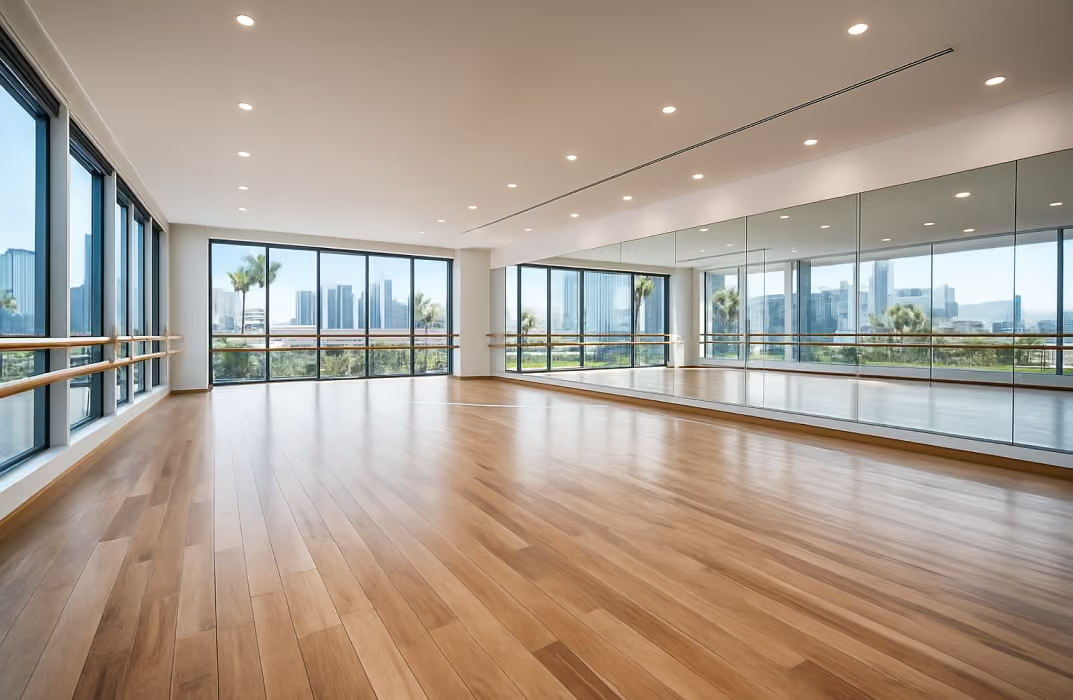
- Spacious floor plan: Enough room for group classes, movement, and routines
- Professional flooring: Wooden sprung floors are best for ballet, tap, and hip hop
- Mirrors and lighting: Essential for proper instruction and training
- Sound system: Quality music makes learning more enjoyable
- Climate control: Comfortable environment keeps students motivated
- Safety measures: Non-slip surfaces, fire exits, and insurance coverage
If you’re starting small, you can rent space hourly from fitness centers, dance halls, or community schools before investing in your own studio. Many new hobby entrepreneurs begin this way to reduce costs.
Rent or Buy?
Here’s a quick comparison to help you decide:
If you’re opening your first dance studio, renting is the safer bet. As your community and classes grow, you can move toward ownership for more stability and equity.
Also read: Grow Your Fitness Business with FitBudd's Proven Strategies
Step 4: Designing and Equipping Your Studio
Once your legal setup is complete, it’s time to bring your dance studio to life. This is where your dream, creativity, and business strategy meet. The design and layout of your studio directly affect your students’ comfort, safety, and overall dance experience.
Whether you’re creating a cozy adult dance studio, a high-energy hip hop space, or a romantic couple dance studio, thoughtful planning is key.
Choose a Space That Inspires Movement
The location and layout of your dance studio set the tone for everything from your brand identity to your students’ first impressions.
Ideal Space Requirements:
- Size: A single-room dance studio typically needs at least 800–1200 sq. ft. of open space per class.
- Ceiling Height: Minimum 10–12 feet for ballet, jazz, or ballroom dancing movements.
- Flooring: Invest in sprung or marley floors they absorb shock and prevent injuries.
- Lighting: Natural light boosts energy and enhances mood; LED lighting works best for evening classes.
- Ventilation: Proper air circulation keeps the studio cool and students comfortable during intense routines.
Example: Many successful dance studios in Los Angeles use open layouts with floor-to-ceiling mirrors and soundproof walls a design that balances aesthetics with functionality.
Essential Equipment and Materials
A well-equipped dance studio ensures smooth instruction, safety, and the perfect vibe for self-expression and creativity.
Budgeting Your Design and Setup Costs
Designing a dance studio requires smart budgeting. Here’s a sample cost breakdown for a medium-sized studio (1000 sq. ft.) in the U.S.:
Step 5: Hiring the Right Instructors and Building a Team
Behind every thriving dance studio is a passionate, skilled team that inspires students and makes every class unforgettable. Whether you’re running a high-energy hip hop program, elegant ballet sessions, or an inviting adult dance studio, the right instructors will help transform your business into a vibrant community of happy dancers.
Why Your Instructors Make or Break Your Studio
Your teachers are the heart and soul of your dance studio. They’re not just there to teach dance styles they build confidence, foster self-expression, and make every student feel part of the family.
A great instructor should:
- Have professional training or teaching certification in one or more dance styles (e.g., ballet, jazz, tap, or latin).
- Be patient and encouraging with beginners and those with “two left feet.”
- Know how to keep classes fun, engaging, and challenging.
- Create a positive, inclusive atmosphere that makes everyone feel comfortable.
- Inspire students to set and achieve their dance goals.
Building Your Core Team
To run your dance studio efficiently, you’ll need more than just talented instructors. A small, well-rounded team can handle day-to-day operations and help your business grow.
Starting small? No worries, many new dance studios begin with just one or two instructors and the owner handling admin and marketing.
Step 6: Marketing and Growing Your Dance Studio
You’ve got the space, the instructors, and the passion. Now it’s time to let the world know about your dance studio. Marketing is where your dream turns into a thriving community. Whether you’re opening in a busy city like Los Angeles or a small town, your success depends on visibility, engagement, and word-of-mouth.
Let’s explore how to attract students, build your brand, and grow your dance studio into the go-to place for dancers of all ages and styles.
1. Define Your Brand and Audience
Before diving into ads or promotions, get clear about what makes your dance studio unique.
Ask yourself:
- What dance styles do you specialize in? (Ballet, hip hop, latin, jazz, tap, etc.)
- Who’s your target audience? (Kids, teens, adults, or couples?)
- What emotions do you want to evoke fun, fitness, freedom, or self-expression?
Your answers shape your brand voice, visuals, and messaging. For example, a couple dance studio might highlight romance, connection, and shared movement, while an adult dance studio could focus on fitness, confidence, and a new hobby.
2. Build a Strong Online Presence
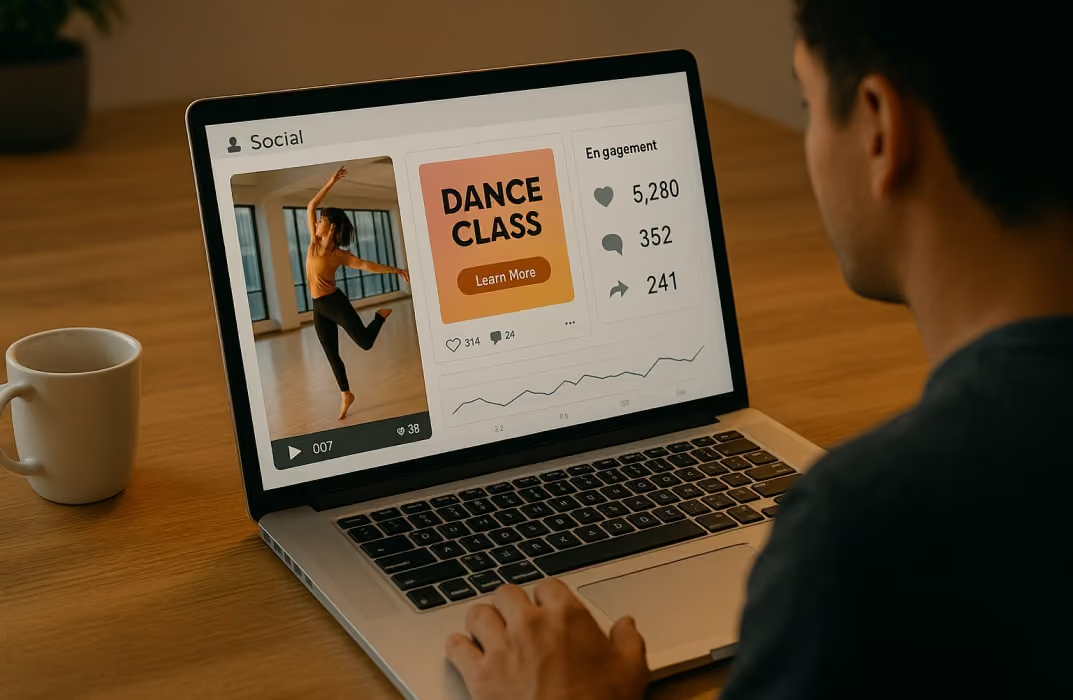
In today’s world, your website and social media pages are your studio’s digital front door. Make sure they reflect the warmth and energy of your space.
Website Must-Haves:
- A clean, mobile-friendly design that showcases your studio, classes, and instructors
- A “Book a Free Class” button for beginners and new students
- Testimonials and videos showing students dancing and having fun
- A blog section sharing dance goals, tips, and training insights
Pro Tip: Include SEO keywords like “dance studio near me” and “best dance classes for adults” in your website copy to improve Google visibility.
3. Leverage Social Media
Social media isn’t just for posting pictures it’s a storytelling platform where your community comes alive.
Use these platforms strategically:
- Instagram & TikTok: Share short clips of routines, behind-the-scenes content, and students achieving milestones.
- Facebook: Great for local parents, kids’ classes, and event promotion.
- YouTube: Upload tutorials, lessons, and class recaps to attract beginner dancers.
- Google Business Profile: Keep it updated with photos, class schedules, and 5-star reviews.
4. Use Paid Advertising Strategically
A few well-placed ads can get your dance studio in front of the right people.
- Google Ads: Target “dance classes near me” or “beginner dance lessons.”
- Facebook & Instagram Ads: Use local targeting to reach your neighborhood.
- YouTube Ads: Run short clips of students or instructors in action.
- Local Sponsorships: Support local events, schools, or fitness expos.
7. Offer Flexible and Online Options
Modern students want flexibility. Offering online classes or hybrid sessions can open your dance studio to a wider audience.
Consider offering: a free Fitness Calendar Template to help clients plan and track their workouts.
- Live-streamed classes for those who can’t attend in person
- Recorded lessons for practice
- Virtual one-on-one coaching for personalized instruction
This is especially helpful for beginners, busy adults, or those outside your immediate area.
Step 8: Scaling and Expanding Your Dance Studio Business
Once your dance studio has a strong local following and steady enrollments, it’s time to think bigger. Expansion isn’t just about space it’s about vision, brand, and connection. Whether you run an adult dance studio, a couple dance studio, or plan multiple dance studios in Los Angeles, smart scaling helps you grow without losing your community feel.
Here’s how to expand strategically:
- Add new dance styles like hip hop, ballet, or ballroom dancing to attract diverse students.
- Introduce online dance classes to reach dancers beyond your neighborhood.
- Host events or themed nights to build stronger community ties.
- Use tech tools for bookings, communication, and marketing automation.
Growth is about keeping your studio creative, consistent, and full of energy a place where passion and progress move together. Interested in lucrative career paths in the fitness industry?
How FitBudd Helps You Build and Grow a Successful Dance Studio
Running a dance studio takes more than talent it requires smart management, seamless communication, and consistent engagement. That’s where FitBudd transforms how you manage and grow your business.
FitBudd helps dance studios, from small community spaces to large dance studios in Los Angeles, streamline daily operations and scale effortlessly.
Here’s how FitBudd supports your studio’s growth:
- Custom Dance Studio App: Give your students a branded mobile app to book classes, track progress, and stay connected.
- Simplified Scheduling & Payments: Manage class bookings, attendance, and payments in one place, no spreadsheets or manual tracking.
- Client Engagement Tools: Send updates, reminders, and personalized messages to keep your dancers motivated.
- Performance Insights: Access data-driven reports to track enrollment trends, retention rates, and overall studio growth.
- Online Expansion: Offer virtual dance classes and connect with students anywher,e ideal for hybrid or online dance studio dancing models.
With FitBudd, you focus on what matters most: teaching, inspiring, and expanding your dance studio while the platform handles the tech that powers your success.
Turning Your Dance Dream into a Thriving Studio

Starting and growing a dance studio is more than a business move it’s a way to inspire, connect, and build a joyful community through movement. From choosing your niche and designing creative classes to scaling your adult dance studio or expanding into dance studios in Los Angeles, every step brings you closer to your dream.
Building a successful dance studio takes passion, consistency, and a developed heart. Keep your students motivated, your instructors inspired, and your studio filled with music, laughter, and confidence.
Remember, people don’t just come to learn dance, they come to feel comfortable, find friends, and express themselves freely. Stay authentic, keep evolving, and let your dance studio become a home for every dancer chasing rhythm, creativity, and happiness.
Ready to grow your dance studio business?
Start with FitBudd today and build a thriving, scalable, and profitable dance brand.


Meet the author
Ankit Uniyal
Frequently Asked Questions

Yangzey Sherpa leads content strategy at FitBudd, overseeing content planning and execution across fitness-focused digital channels. With over five years of experience in SEO and content, she works closely with the fitness industry to ensure content aligns with the needs of coaches, trainers, and gym owners. Her role keeps her deeply connected to fitness business workflows, coaching models, and how professionals use digital platforms to grow.


Apra Pathak has worked closely within the fitness niche for several years, supporting personal trainers and fitness coaches through content and digital marketing initiatives. Her experience centers on understanding how fitness professionals build visibility, communicate value, and engage clients online. Through sustained involvement with fitness-focused platforms and audiences, she has developed a strong understanding of the digital needs and growth challenges faced by modern fitness businesses.

Aishwarya Mehra has been actively involved in fitness-focused digital marketing, working closely with brands and platforms that serve coaches, trainers, and fitness businesses. Her experience spans engagement-driven strategies designed specifically for fitness audiences. Through ongoing exposure to fitness campaigns and communities, she remains closely aligned with how fitness professionals attract, convert, and retain clients in digital environments.

Suchandra Das has contributed content within the fitness niche, working on resources designed for coaches, trainers, and fitness business owners. Her experience involves supporting fitness-related topics with clear, structured, and accessible content. Through consistent involvement with fitness-focused platforms, she has developed familiarity with coaching workflows, client communication, and the informational needs of fitness professionals.
FitBudd is a fitness technology platform built exclusively for coaches, personal trainers, gym owners, and fitness professionals. The platform supports fitness businesses through branded apps, white-labeled solutions, and websites designed around real coaching and training workflows. FitBudd works closely with the global fitness community, maintaining deep, ongoing involvement in the fitness industry.

Ankit Uniyal has worked extensively with fitness-focused content, supporting platforms that cater to personal trainers, gym owners, and fitness professionals. His experience includes optimizing and structuring content around fitness-related search behavior and user intent. Through continued involvement in the fitness niche, he has gained a strong understanding of how trainers and coaches build discoverability and authority online.

Saumya Mittal is the Co-Founder and CEO of FitBudd. Since 2021, she has been actively engaged in the fitness technology sector, collaborating with global fitness companies to foster digital growth and scalable operations. With over a decade of experience leading high-impact projects in engineering and operations, Saumya has a strong background in developing reliable and scalable systems. Through FitBudd, she is dedicated to addressing the evolving needs of fitness professionals worldwide.

Kinshuk Snehi has been closely involved in the fitness space for over four years. Through his work at FitBudd, he has contributed to shaping how fitness professionals build their online presence, attract clients, and scale sustainable coaching businesses. Deeply interested in the intersection of fitness, technology, and growth, Kinshuk brings a hands-on understanding of the challenges faced by modern trainers. His passion lies in building systems and strategies that support long-term consistency, both in fitness journeys and business growth.

Kanika Verma has been closely involved in building solutions for the fitness industry, working with platforms used by coaches and trainers globally. Her experience includes direct exposure to fitness coaching workflows and operational needs. Through sustained involvement in fitness-focused product development, she has developed a strong understanding of how fitness professionals manage clients, programs, and daily operations.

Tanya Sharma has worked on branding initiatives within the fitness niche, supporting fitness platforms and businesses with visual identity design. Her experience includes creating brand systems used by coaches, trainers, and fitness-focused products. Through ongoing involvement in fitness-related design projects, she remains closely connected to how fitness brands communicate trust and professionalism.

Niharika Sonavane has contributed to visual design projects within the fitness industry, supporting platforms and brands serving fitness professionals. Her experience spans creating digital assets used across fitness apps, websites, and marketing materials. Through continued work in the fitness niche, she remains closely aligned with the visual communication needs of coaches and fitness businesses.

Elesh Patel has worked extensively on marketing initiatives within the fitness niche, managing paid campaigns for fitness-focused products and services. His experience includes supporting platforms that target personal trainers, gym owners, and fitness creators. Through long-term involvement in fitness marketing, he remains closely connected to how fitness professionals discover and adopt digital tools.



Ultimate Marketing Guide for Fitness Trainers
Boost your business growth with these tried and tested marketing strategies. Free for you to download.
Download Now
Templates
These functional templates have the power to make any fitness trainer's life easier.
Subscribe To
Our Blog

.avif)