Are You Earning Up to Your Potential?
Most personal trainers are undervaluing their time and skills. Our Personal trainer Revenue Calculator helps you find out what you should be making, and how to get there.
No guesswork. Just real numbers.
.webp)
Starting a boxing gym is an exciting venture that combines a passion for the sport with the opportunity to help others achieve their fitness goals. However, equipping your facility correctly is crucial for success. A well-outfitted boxing gym requires a thoughtful balance of essential gear and specialized equipment to cater to severe boxers and fitness enthusiasts. Each item plays a vital role in creating a comprehensive training environment, from the centerpiece boxing ring to the array of punching bags, training tools, and safety equipment.
This comprehensive guide will explore the essential equipment needed to create a top-notch boxing training environment and provide tips on choosing the right gear for your new gym.
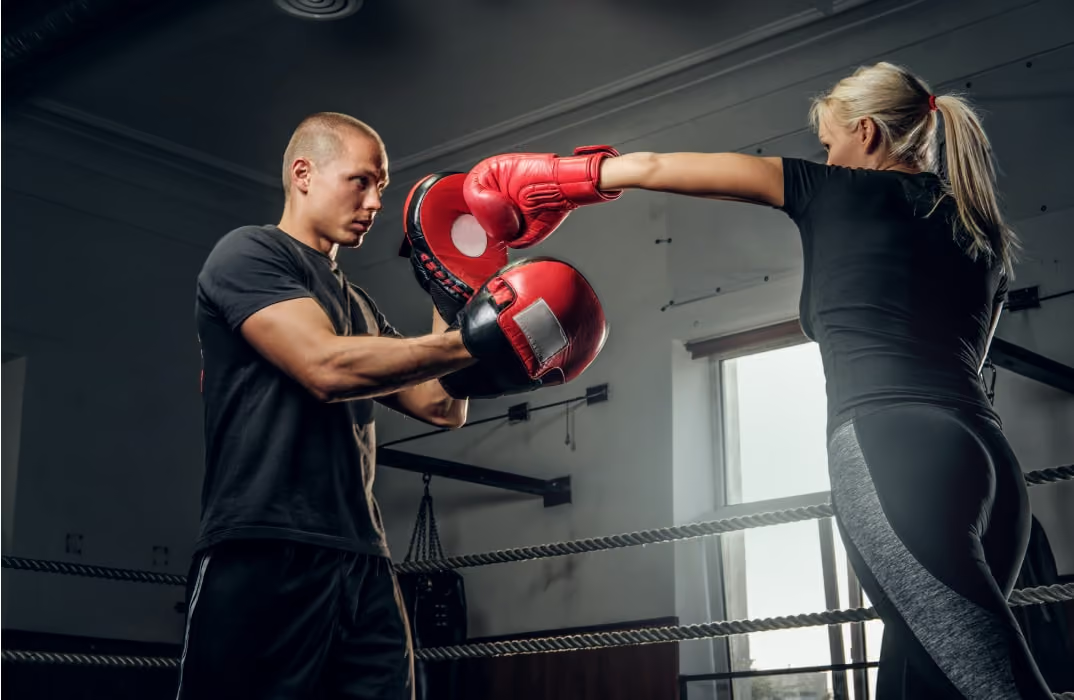
List of most essential boxing training equipment
This list covers the fundamental equipment needed to start a boxing gym. From the central boxing ring to various punching bags, protective gear, and conditioning tools, these items form the core of any effective boxing training program. Investing in high-quality versions of this essential equipment will provide a solid foundation for your gym.

The Boxing Ring
At the center of any boxing gym is the ring itself. A standard boxing ring is typically 16-20 feet square and raised about 3-4 feet off the ground. It's surrounded by ropes and padded corners, providing a safe and authentic training space. The ring is not just for sparring but also for shadowboxing, footwork drills, and conditioning exercises. When selecting a ring, consider:
- Quality of the canvas and padding
- Durability of the ropes and turnbuckles
- Ease of assembly and maintenance
💪 Got an idea for a brand? Let's bring it to life.
Launch your own fitness app with FitBudd in minutes!
💪 Got your brand name? Let’s bring it to life.
Launch your own fitness app with FitBudd in minutes!



88% trainers worldwide gave us 5 stars
Transform your fitness business with the power of your branded app on iOS and Android.
Try for FREEPunching Bags
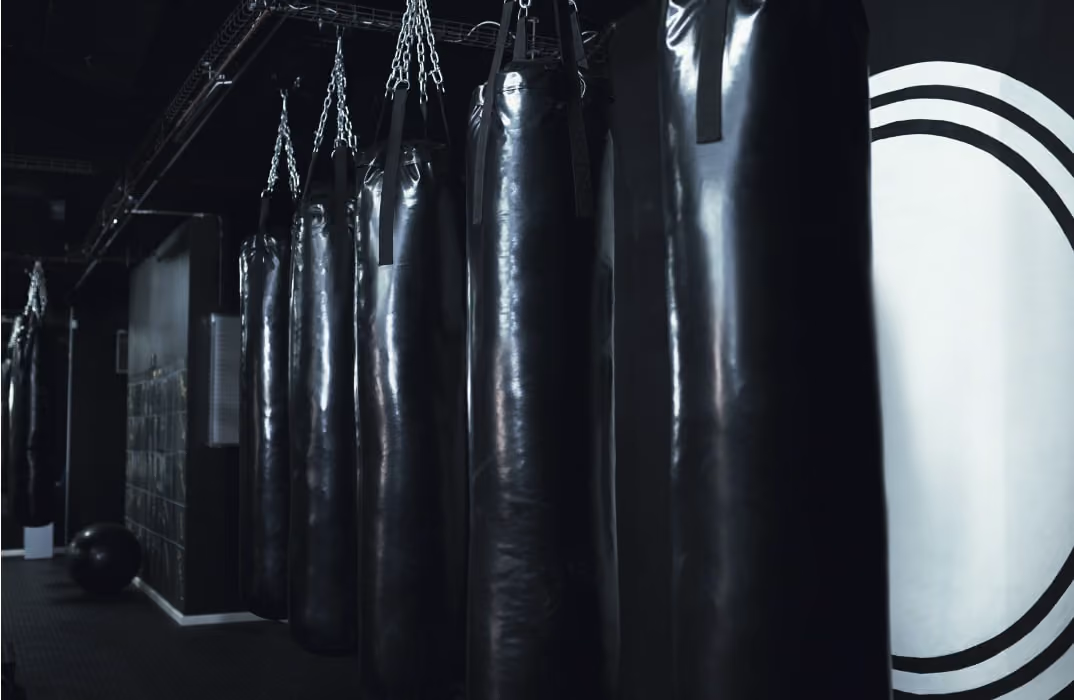
Punching bags are indispensable for boxing training, allowing fighters to practice their punches, improve power, and enhance endurance. Equip your gym with a variety of bags:
- Heavy bags (70-100 lbs) for power training and body shots
- Speed bags to develop hand-eye coordination, rhythm, and speed
- Double-end bags for improving accuracy and timing
Heavy bags are indispensable for boxing training. They allow boxers to practice their punches, improve power, and enhance endurance. Offer a variety of heavy bags:
- Standard heavy bags (70-100 lbs)
- Uppercut bags
- Teardrop bags for body shots
- Aqua bags for reduced impact
Ensure you have enough space and sturdy mounting systems to accommodate multiple bags. Heavy bag workouts are crucial for developing punching power and stamina.
Speed bags help fighters develop hand-eye coordination, rhythm, and speed. They're excellent for improving timing and conditioning the shoulders. Install speed bag platforms at various heights to accommodate boxers of different statures. Consider:
- Adjustable speed bag platforms
- Multiple sizes of speed bags
- Swivels of different responsiveness
Double-end bags, also known as floor-to-ceiling bags, are fantastic for improving accuracy, timing, and defensive skills. They provide a more dynamic target than heavy bags, forcing boxers to stay agile and focused. Include several double-end bags in your gym setup to offer diverse training options.
Essential Boxing Gear
Gloves and Hand Wraps Quality boxing gloves are a must-have for any gym. Try to offer a range of sizes (12oz, 14oz, 16oz) and styles (training, sparring, competition). Hand wraps are equally important, providing support and protection for the boxer's hands and wrists. Stock both traditional cloth wraps and quick wraps for convenience.
Protective Equipment
Safety is paramount in boxing. Ensure your gym is stocked with essential protective gear:
- Headgear (various sizes): Offer a range of headgear options, including full-face protection for beginners and open-face designs for more experienced boxers. Look for headgear with excellent padding, especially around the temples and forehead.
- Mouthguards: Stock both boil-and-bite mouthguards and custom-fit options. Educate your members on the importance of proper mouthguard use to prevent dental injuries.
- Groin protectors: Provide both cup-style and jockstrap-style protectors to cater to different preferences. Ensure you have sizes to fit all body types.
- Body protectors are essential for trainers during mitt work and boxers during specific drills. Look for protectors that offer good coverage of the torso and abdomen while allowing freedom of movement.
- Shin guards: While not always used in boxing, shin guards can be helpful for specific drills and for members who also practice kickboxing.
Conditioning Equipment
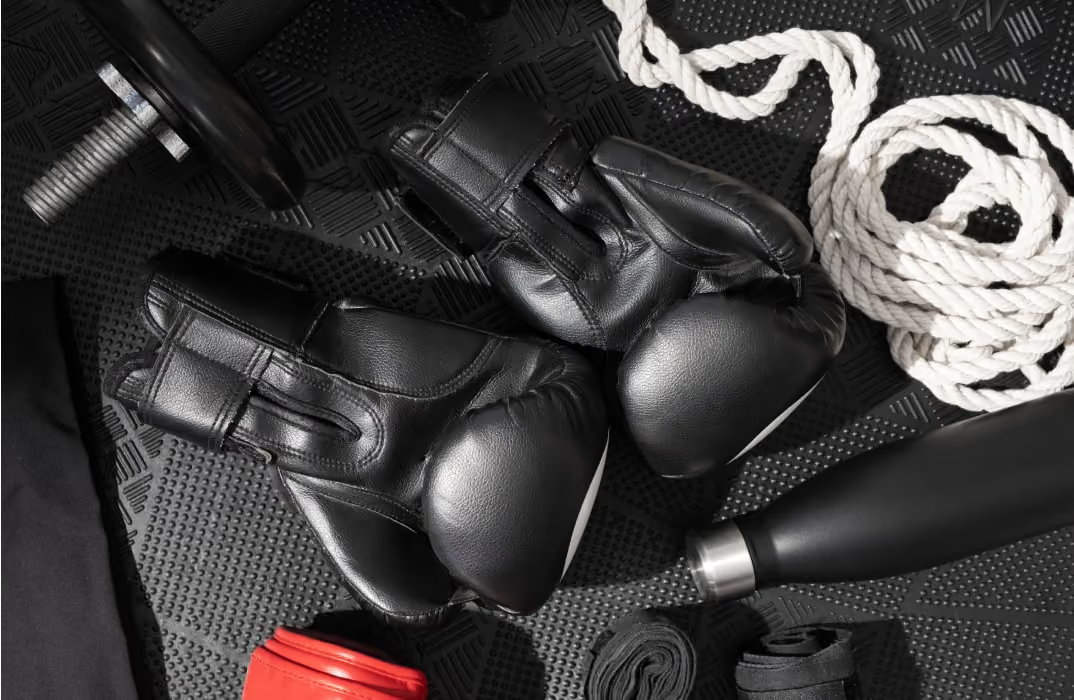
Boxing requires more than just punching skills. Include a variety of conditioning equipment:
Jump ropes:
- Offer a selection including speed, weighted, and adjustable ropes. Jumping rope is excellent for improving footwork, coordination, and cardiovascular endurance.
Medicine balls:
- Stock various weights (2-20 lbs) for different exercises. Medicine balls are great for core work, explosive movements, and partner drills.
Resistance bands:
- These versatile tools are excellent for strength training, improving punch speed, and rehabilitation exercises. Offer bands of different resistances.
Agility ladders
- Agility ladders are crucial for footwork drills, improving speed and coordination. Consider having multiple ladders for group training sessions.
Plyometric boxes:
- These boxes of various heights are great for developing explosive power in the legs, essential for generating force in punches.
Battle ropes:
- While not traditional boxing equipment, battle ropes provide an excellent full-body workout and can help develop arm endurance for sustained punching.
Suspension trainers
- Suspension trainers allow for bodyweight exercises that can improve core strength and overall stability, which are crucial for boxers.
By expanding your conditioning equipment options, you can offer more varied and comprehensive training sessions, helping your boxers develop all aspects of fitness needed for success in the ring.
Apparel and Accessories
Stock your gym with boxing essentials:
- Boxing shorts: Offer a range of sizes and styles, including traditional satin shorts and more modern performance fabrics.
- Boxing shoes: Stock various sizes of low-top and high-top boxing shoes for proper foot support and ring traction.
- T-shirts and tank tops: Branded gym apparel can create a sense of community and serve as additional marketing.
- Hand wraps: Offer traditional cloth and quick wraps in various lengths for convenience.
- Gym bags: Branded gym bags can be a great addition to your merchandise line.
- Towels: Essential for keeping equipment clean and for personal use during workouts.
- Water bottles: Branded water bottles promote hydration and serve as walking advertisements.
These items can be convenient for members and provide an additional revenue stream. Consider creating a small pro shop area in your gym to showcase and sell these items.
Recovery and Wellness Area
Don't forget about recovery. Create a space for:
- Foam rollers
- Massage tools
- Stretching areas
- Ice baths or cryotherapy
Helping your boxers recover effectively will keep them training consistently and reduce injury risk.
Creating the Right Atmosphere
Equipment is crucial, but so is the overall environment. Consider:
- Motivational posters and boxing memorabilia
- Good lighting, especially over the ring
- A sound system for music during training
- Mirrors for technique practice
- A hydration station with water fountains
The right atmosphere can inspire and motivate your boxers to push their limits.
How to Choose the Right Boxing Equipment for Your New Boxing Gym
Selecting the appropriate equipment for your new boxing gym is crucial for success. Here's a guide to help you make informed decisions:
- Assess Your Space and Budget Before purchasing equipment, carefully measure your gym space and determine your budget. This will help you prioritize essential items and avoid overcrowdFocusingFocuqualityalitydurability: ility Boxing equipment takes a lot of punishment, so invest in high-quality, durable materials. While it may cost more upfront, reducing replacement frequency will save you money in the long run.
- Consider Your Target Audience: Are you catering to professional boxers, fitness enthusiasts, or both? Your equipment choices should reflect the needs of your primary clientele.
- Start with the Essentials. Begin with the must-have items:
- Boxing ring
- Heavy bags
- Speed bags
- Gloves and hand wraps
- Protective gear
- Focus mitts
These form the core of any boxing training program.
- Gradual Expansion As your gym grows, gradually add more specialized equipment, such as advanced conditioning tools, weight training equipment, and high-tech training devices.
- Prioritize Safety Ensure all equipment meets safety standards. This includes proper bag mounting, well-maintained ring ropes, and regularly inspected protective gear.
- Seek Expert Advice. Consult experienced boxing trainers or gym owners for brand recommendations and specific equipment models.
- Test Before You Buy If possible, try out equipment before making large purchases. This ensures it meets your quality and functionality expectations.
- Consider Maintenance and Replacement Costs When making initial purchases, consider the cost of maintaining and eventually replacing equipment.
- Balance Variety and Necessity While offering every type of equipment is tempting, focus on providing a good balance of essential items that support comprehensive training.
- Remember the Smaller Items Small equipment like jump ropes, medicine balls, and resistance bands are crucial for conditioning and should be noticed.
- Plan for Growth: Choose equipment that can accommodate a growing membership. Modular or expandable systems can be beneficial.
The Bottom Line
Starting a boxing gym requires a significant investment in equipment, but creating a facility that can nurture boxers, from beginners to professionals, is essential. By focusing on quality, durability, and variety in your equipment choices, you'll make a gym that attracts serious fighters and appeals to fitness enthusiasts looking for an engaging workout.
Remember, the success of your boxing gym depends on more than having the right gear. It's also about creating an environment that motivates and inspires. Combine quality equipment with knowledgeable trainers and a positive atmosphere to create a boxing gym that genuinely packs a punch in the fitness world.


Meet the author
Suchandra Das
A versatile writer with a keen eye for detail, specializing in creating engaging content for diverse industries.
Frequently Asked Questions

Yangzey Sherpa leads content strategy at FitBudd, overseeing content planning and execution across fitness-focused digital channels. With over five years of experience in SEO and content, she works closely with the fitness industry to ensure content aligns with the needs of coaches, trainers, and gym owners. Her role keeps her deeply connected to fitness business workflows, coaching models, and how professionals use digital platforms to grow.


Apra Pathak has worked closely within the fitness niche for several years, supporting personal trainers and fitness coaches through content and digital marketing initiatives. Her experience centers on understanding how fitness professionals build visibility, communicate value, and engage clients online. Through sustained involvement with fitness-focused platforms and audiences, she has developed a strong understanding of the digital needs and growth challenges faced by modern fitness businesses.

Aishwarya Mehra has been actively involved in fitness-focused digital marketing, working closely with brands and platforms that serve coaches, trainers, and fitness businesses. Her experience spans engagement-driven strategies designed specifically for fitness audiences. Through ongoing exposure to fitness campaigns and communities, she remains closely aligned with how fitness professionals attract, convert, and retain clients in digital environments.

Suchandra Das has contributed content within the fitness niche, working on resources designed for coaches, trainers, and fitness business owners. Her experience involves supporting fitness-related topics with clear, structured, and accessible content. Through consistent involvement with fitness-focused platforms, she has developed familiarity with coaching workflows, client communication, and the informational needs of fitness professionals.
FitBudd is a fitness technology platform built exclusively for coaches, personal trainers, gym owners, and fitness professionals. The platform supports fitness businesses through branded apps, white-labeled solutions, and websites designed around real coaching and training workflows. FitBudd works closely with the global fitness community, maintaining deep, ongoing involvement in the fitness industry.

Ankit Uniyal has worked extensively with fitness-focused content, supporting platforms that cater to personal trainers, gym owners, and fitness professionals. His experience includes optimizing and structuring content around fitness-related search behavior and user intent. Through continued involvement in the fitness niche, he has gained a strong understanding of how trainers and coaches build discoverability and authority online.

Saumya Mittal is the Co-Founder and CEO of FitBudd. Since 2021, she has been actively engaged in the fitness technology sector, collaborating with global fitness companies to foster digital growth and scalable operations. With over a decade of experience leading high-impact projects in engineering and operations, Saumya has a strong background in developing reliable and scalable systems. Through FitBudd, she is dedicated to addressing the evolving needs of fitness professionals worldwide.

Kinshuk Snehi has been closely involved in the fitness space for over four years. Through his work at FitBudd, he has contributed to shaping how fitness professionals build their online presence, attract clients, and scale sustainable coaching businesses. Deeply interested in the intersection of fitness, technology, and growth, Kinshuk brings a hands-on understanding of the challenges faced by modern trainers. His passion lies in building systems and strategies that support long-term consistency, both in fitness journeys and business growth.

Kanika Verma has been closely involved in building solutions for the fitness industry, working with platforms used by coaches and trainers globally. Her experience includes direct exposure to fitness coaching workflows and operational needs. Through sustained involvement in fitness-focused product development, she has developed a strong understanding of how fitness professionals manage clients, programs, and daily operations.

Tanya Sharma has worked on branding initiatives within the fitness niche, supporting fitness platforms and businesses with visual identity design. Her experience includes creating brand systems used by coaches, trainers, and fitness-focused products. Through ongoing involvement in fitness-related design projects, she remains closely connected to how fitness brands communicate trust and professionalism.

Niharika Sonavane has contributed to visual design projects within the fitness industry, supporting platforms and brands serving fitness professionals. Her experience spans creating digital assets used across fitness apps, websites, and marketing materials. Through continued work in the fitness niche, she remains closely aligned with the visual communication needs of coaches and fitness businesses.

Elesh Patel has worked extensively on marketing initiatives within the fitness niche, managing paid campaigns for fitness-focused products and services. His experience includes supporting platforms that target personal trainers, gym owners, and fitness creators. Through long-term involvement in fitness marketing, he remains closely connected to how fitness professionals discover and adopt digital tools.



Workout Schedule & Progress Tracker Template
Stay on top of your fitness game with our customizable tracker to monitor progress and plan workouts.
Download Now
Templates
These functional templates have the power to make any fitness trainer's life easier.
Subscribe To
Our Blog