Are You Earning Up to Your Potential?
Most personal trainers are undervaluing their time and skills. Our Personal trainer Revenue Calculator helps you find out what you should be making, and how to get there.
No guesswork. Just real numbers.
.webp)
If you’re considering opening a gym or expanding your fitness business, understanding the different types of gyms can help you carve out a niche in this competitive industry. From boutique fitness studios to large commercial gyms, each type caters to specific demographics, fitness goals, and amenities. This guide explores 17 different gym types to help you find the best fit for your business.
Looking for gym name ideas? Use our free gym name generator.
1. Commercial Gyms
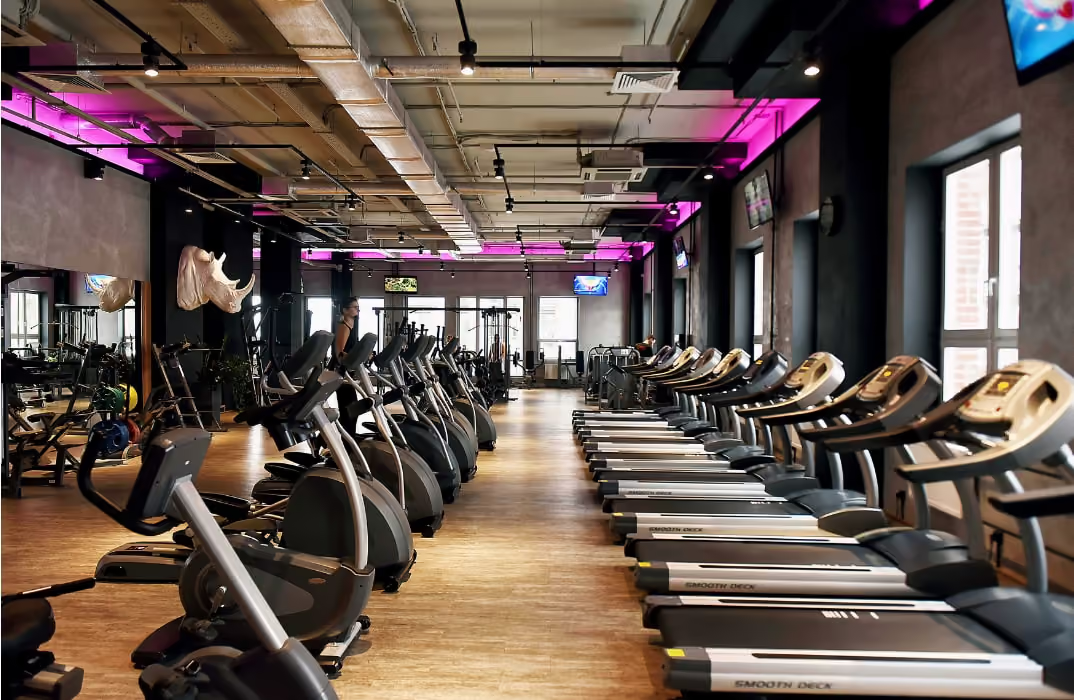
Commercial gyms are large-scale fitness centers designed to accommodate many customers. They typically include cardio machines, weightlifting areas, and group fitness classes. Examples of commercial gyms include brands like Planet Fitness and Gold’s Gym. These gyms attract general fitness enthusiasts, from beginners to seasoned gym-goers. While boutique studios offer personalized attention and a luxurious atmosphere within small class sizes, commercial gyms are best suited for gym owners looking to scale and cater to a mass audience.
2. Public Gyms
Public gyms, often operated by local governments or community organizations, provide affordable access to fitness facilities. These gyms are popular in parks and recreation centers, offering basic equipment and sometimes free fitness classes. They cater to budget-conscious individuals and those who prefer a more casual approach to fitness. Public gyms are ideal for nonprofit organizations or municipalities focused on community health.
3. Community Gyms
Community gyms focus on fostering a supportive environment and are often nonprofit or locally owned. They are ideal for those seeking a close-knit fitness atmosphere. These gyms typically include group fitness classes and wellness programs tailored to community needs. Gym owners passionate about creating an inclusive and supportive fitness culture will thrive in this model.
4. Boutique Gyms
Boutique gyms specialize in personalized fitness experiences, often offering niche classes such as pilates, spin, or HIIT. Boutique gyms in NYC and Atlanta have gained popularity for their specialized programs. They attract clients who value exclusivity and premium experiences. Boutique gyms are best for owners who want to offer a unique, community-driven fitness experience with high membership retention. Essential factors that contribute to a successful boutique fitness studio include creating a supportive environment, having a well-devised business plan, and implementing effective marketing strategies.
💪 Got an idea for a brand? Let's bring it to life.
Launch your own fitness app with FitBudd in minutes!
💪 Got your brand name? Let’s bring it to life.
Launch your own fitness app with FitBudd in minutes!



88% trainers worldwide gave us 5 stars
Transform your fitness business with the power of your branded app on iOS and Android.
Try for FREE5. Executive Gyms
Executive gyms cater to high-end clientele and are often located in corporate buildings or luxury hotels. They feature premium amenities such as personal training, massage services, and high-tech equipment. These gyms attract business professionals and high-net-worth individuals. They require significant investment but can generate high revenue through premium memberships.
6. Hardcore Gyms
Designed for serious bodybuilders and powerlifters, hardcore gyms provide heavy-duty equipment, free weights, and an intense training environment. These gyms attract dedicated fitness enthusiasts, competitive lifters, and athletes. They are ideal for gym owners passionate about strength training and performance-based fitness.

Specialty Fitness Studios with Group Fitness Classes
These gyms focus on specific workout disciplines like yoga, CrossFit, or boxing. Specialty fitness studios create a niche experience for targeted clientele, such as yoga lovers, martial artists, or functional fitness enthusiasts. They are best suited for owners who have expertise in a particular fitness modality and want to build a dedicated community.
8. Open-Air Gymnasiums
Popular in warmer climates, open-air gymnasiums offer outdoor fitness equipment and group classes. These gyms promote fresh air workouts and attract individuals who prefer outdoor training over traditional gym environments. Gym owners who want to create a natural and eco-friendly fitness space should consider this model.
9. Corporate Gyms
Corporate gyms are located within office buildings and offer employees convenient access to fitness facilities, improving workplace wellness. These gyms cater to busy professionals and help companies promote health and productivity. Gym owners interested in corporate wellness programs and business-to-business partnerships can succeed in this niche.
10. Studio Gyms
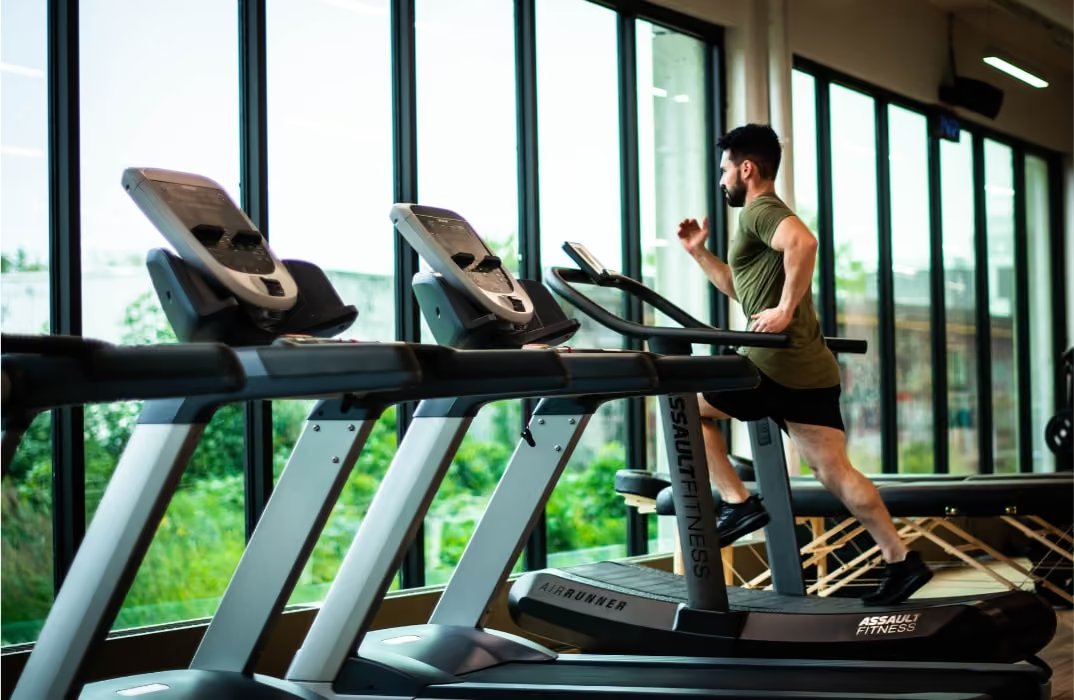
Smaller than commercial gyms, studio gyms emphasize group training or one-on-one coaching, such as personal training or dance-based fitness programs. They attract clients who prefer a structured, instructor-led workout experience. Studio gyms are great for fitness professionals who want a controlled, intimate setting for their clients.
11. Lowkey Gyms
These are relaxed, judgment-free fitness centers that offer a comfortable environment for casual gym-goers. They attract individuals who may be intimidated by high-energy or performance-driven gyms. Gym owners looking to create an inclusive, beginner-friendly space will find success with this model.
12. Luxury Gyms
Luxury gyms provide high-end amenities such as saunas, pools, and spa services, often attracting high-income clientele. These gyms are perfect for owners who want to cater to an upscale market and are willing to invest in top-tier facilities.High-end and boutique gyms also place strong emphasis on hygiene and member comfort, where details like fresh, durable towels for gyms become part of the overall experience. Many fitness businesses choose to source essentials in bulk from suppliers such as Towel Super Center to maintain consistency, cleanliness, and operational efficiency as they scale. Small touches like these can quietly reinforce a gym’s premium positioning without requiring major investments.
13. Platform Gyms
Platform gyms emphasize lifting platforms and free weights, catering to powerlifters, weightlifters, and strongman competitors. They attract serious strength athletes and are best suited for owners passionate about strength sports.

14. Industrial Gyms
Featuring a raw, warehouse-style atmosphere, industrial gyms appeal to those who prefer minimal distractions and hardcore training environments. They are ideal for gym owners looking to offer a no-frills, high-intensity training space.
15. Hybrid Fitness Centers
These gyms combine various elements of fitness training, offering both general and specialized services under one roof. They cater to a wide demographic, making them a versatile option for gym owners who want to offer multiple fitness modalities.
16. Private Gyms
Exclusive and membership-based, private gyms offer a more controlled and intimate workout experience compared to commercial gyms. These gyms attract high-end clients looking for privacy and personalized services. They are ideal for gym owners who prefer a smaller, high-touch business model.
17. Franchise Gyms
Gyms like Planet Fitness and other franchise models provide entrepreneurs with a structured business model and brand recognition. They attract a broad audience and benefit from established marketing and operational support. They are best for gym owners who want to leverage a proven system rather than build from scratch.
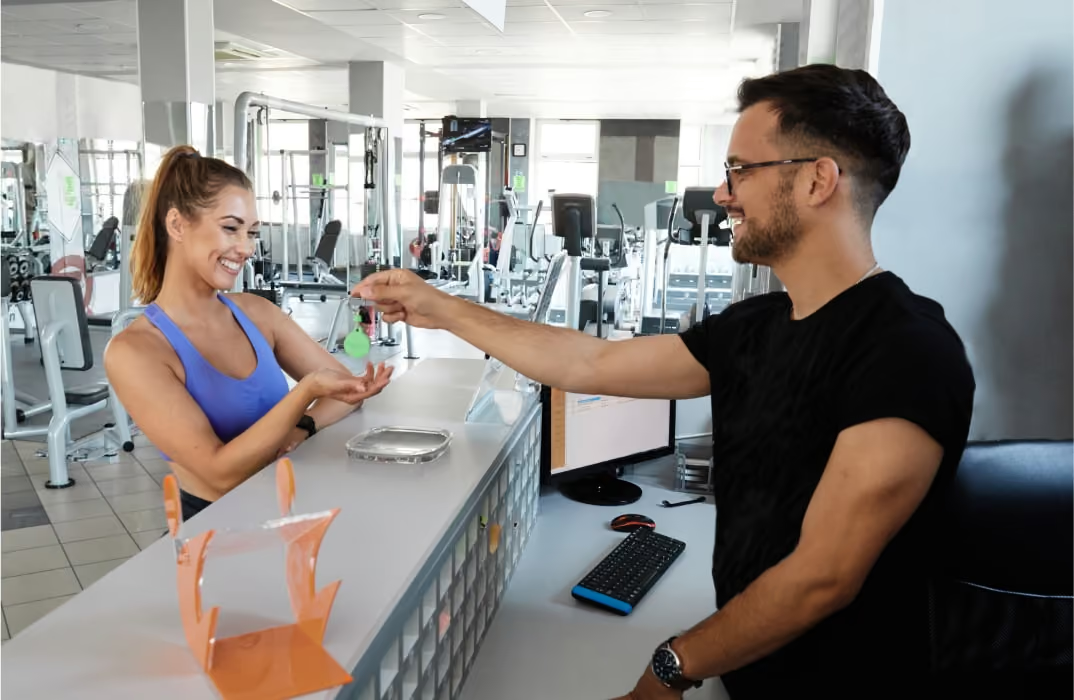
Group Fitness and Classes
Group fitness classes have become a cornerstone of the boutique fitness industry. They offer a dynamic and engaging way for clients to achieve their fitness goals. These classes are a staple in boutique fitness studios, providing a variety of options that cater to different fitness levels and interests.
Types of Group Fitness Classes
Boutique fitness studios pride themselves on offering a diverse range of group fitness classes. Here are some popular types:
- High-Intensity Interval Training (HIIT): These classes involve short bursts of high-intensity exercise followed by brief periods of rest. HIIT is known for its efficiency in burning calories and improving cardiovascular health.
- Yoga: Focusing on strength, flexibility, and mindfulness, yoga classes are perfect for those looking to enhance their physical and mental well-being.
- Pilates: Emphasizing core strength, flexibility, and body control, Pilates classes are ideal for individuals seeking a low-impact yet effective workout.
- Dance-Based Classes: Options like Zumba or Hip Hop Abs combine dance moves with aerobic exercise, making workouts fun and energetic.
- Strength Training: These classes focus on building muscle and increasing overall strength, often using free weights and resistance equipment.
Benefits of Group Fitness
Group fitness classes offer numerous benefits that go beyond just a workout:
- Motivation: Exercising with others can be incredibly motivating, helping participants stay committed to their fitness goals.
- Socialization: These classes provide a great opportunity to meet new people and build a supportive community.
- Variety: Group fitness classes offer a change of pace from solo workouts, keeping routines fresh and exciting.
- Accountability: Being part of a group creates a sense of accountability, encouraging regular attendance and participation.
- Fun: Group fitness classes are designed to be enjoyable, making exercise feel less like a chore and more like a social activity.
By incorporating a variety of group fitness classes, boutique fitness studios can attract a diverse clientele and foster a vibrant, community-driven atmosphere.
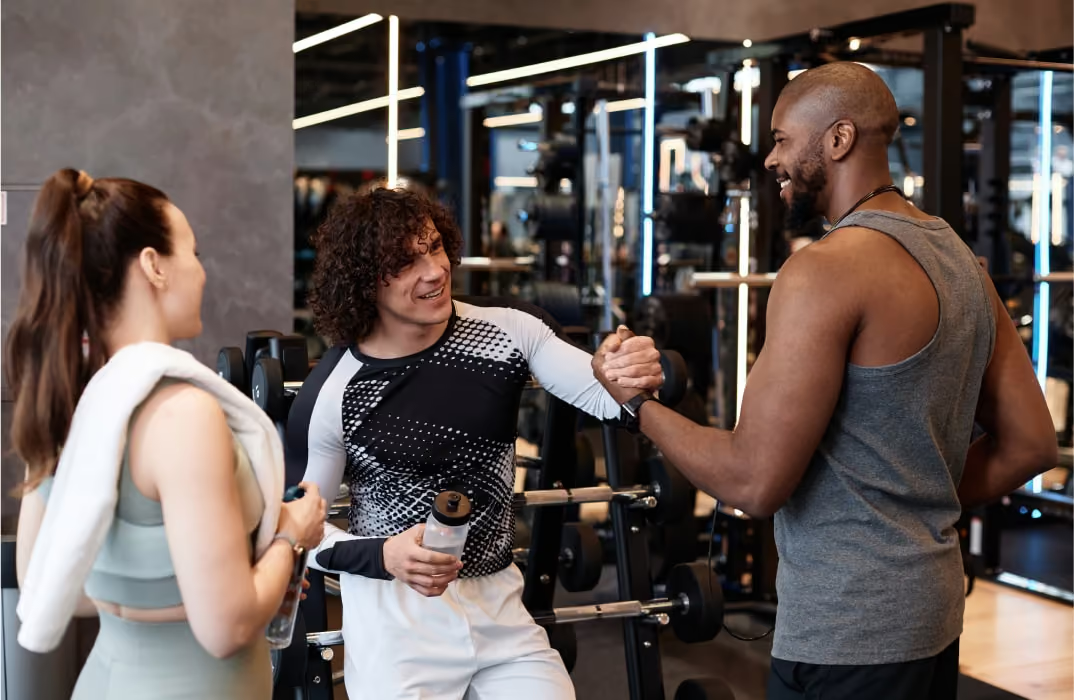
Marketing Strategy for Gym Owners
Creating an effective marketing strategy is crucial for the success of any boutique fitness studio. Understanding your target audience is the first step in developing a plan that resonates with potential clients and sets your studio apart in the competitive fitness industry.
Target Audience
To tailor your marketing efforts effectively, consider the following factors about your target audience:
- Demographics: Identify the age range, income level, and occupation of your ideal customer. This information helps in crafting messages that appeal to their specific needs and preferences.
- Fitness Goals: Understand what your target audience aims to achieve. Are they looking to lose weight, build muscle, or increase flexibility? Knowing their fitness goals allows you to highlight the relevant benefits of your services.
- Interests: Consider the interests and hobbies of your target audience. Do they enjoy group fitness classes, personal training sessions, or specialized fitness programs? This insight helps in promoting the right classes and services.
- Pain Points: Identify the challenges your target audience faces. Are they struggling to find a gym that offers the services they need, or are they looking for a more personalized approach to fitness? Addressing these pain points in your marketing can attract clients seeking solutions.
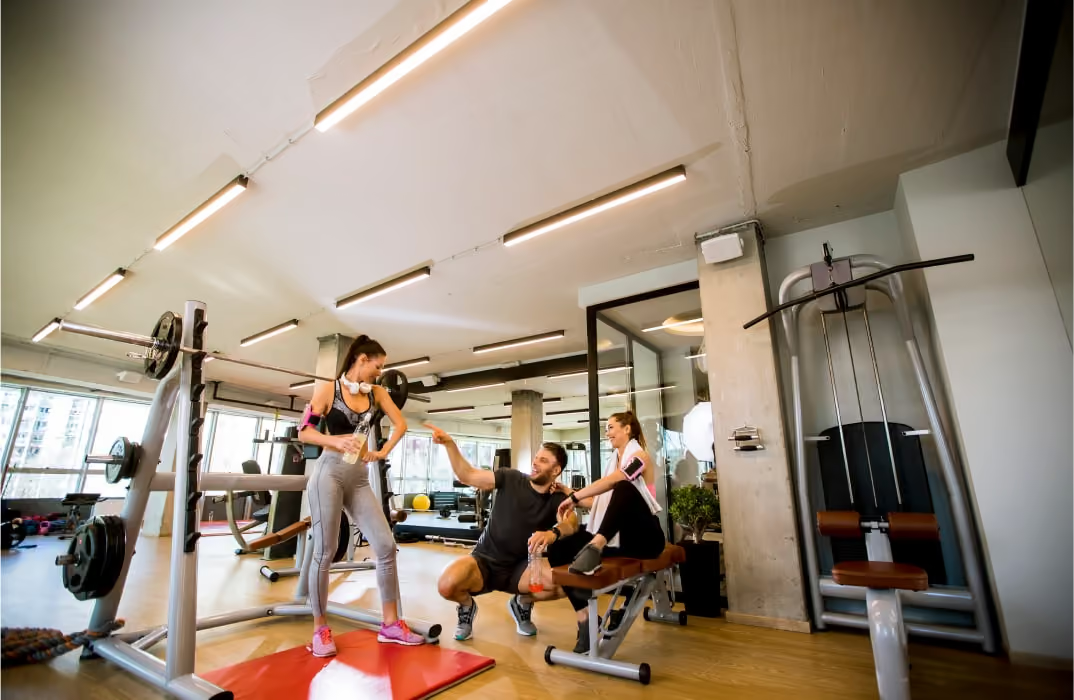
By thoroughly understanding your target audience, you can create a marketing strategy that speaks directly to their needs and interests. This approach not only attracts new clients but also helps in retaining them, contributing to your boutique studio’s success in the competitive fitness industry.
Choosing the Right Gym Model
When deciding between a commercial gym vs. private gym or considering boutique gyms vs. large-scale fitness centers, it’s important to assess your target audience, budget, and available amenities. Whether you're interested in fitness centers in Northern Kentucky, gyms in Sturgis SD, or boutique gyms in NYC, the right gym model can make all the difference in your success.
By understanding these different gym models, you can position your fitness business for long-term growth and impact in your community. Many gyms also streamline operations and improve member experience by using gym CRM software that helps manage clients, automate scheduling, and support day-to-day workflows efficiently.



Meet the author
Apra Pathak
Meet Apra Pathak, a social media virtuoso and expert blogger dedicated to helping personal trainers thrive digitally.
Frequently Asked Questions

Yangzey Sherpa leads content strategy at FitBudd, overseeing content planning and execution across fitness-focused digital channels. With over five years of experience in SEO and content, she works closely with the fitness industry to ensure content aligns with the needs of coaches, trainers, and gym owners. Her role keeps her deeply connected to fitness business workflows, coaching models, and how professionals use digital platforms to grow.


Apra Pathak has worked closely within the fitness niche for several years, supporting personal trainers and fitness coaches through content and digital marketing initiatives. Her experience centers on understanding how fitness professionals build visibility, communicate value, and engage clients online. Through sustained involvement with fitness-focused platforms and audiences, she has developed a strong understanding of the digital needs and growth challenges faced by modern fitness businesses.

Aishwarya Mehra has been actively involved in fitness-focused digital marketing, working closely with brands and platforms that serve coaches, trainers, and fitness businesses. Her experience spans engagement-driven strategies designed specifically for fitness audiences. Through ongoing exposure to fitness campaigns and communities, she remains closely aligned with how fitness professionals attract, convert, and retain clients in digital environments.

Suchandra Das has contributed content within the fitness niche, working on resources designed for coaches, trainers, and fitness business owners. Her experience involves supporting fitness-related topics with clear, structured, and accessible content. Through consistent involvement with fitness-focused platforms, she has developed familiarity with coaching workflows, client communication, and the informational needs of fitness professionals.
FitBudd is a fitness technology platform built exclusively for coaches, personal trainers, gym owners, and fitness professionals. The platform supports fitness businesses through branded apps, white-labeled solutions, and websites designed around real coaching and training workflows. FitBudd works closely with the global fitness community, maintaining deep, ongoing involvement in the fitness industry.

Ankit Uniyal has worked extensively with fitness-focused content, supporting platforms that cater to personal trainers, gym owners, and fitness professionals. His experience includes optimizing and structuring content around fitness-related search behavior and user intent. Through continued involvement in the fitness niche, he has gained a strong understanding of how trainers and coaches build discoverability and authority online.

Saumya Mittal is the Co-Founder and CEO of FitBudd. Since 2021, she has been actively engaged in the fitness technology sector, collaborating with global fitness companies to foster digital growth and scalable operations. With over a decade of experience leading high-impact projects in engineering and operations, Saumya has a strong background in developing reliable and scalable systems. Through FitBudd, she is dedicated to addressing the evolving needs of fitness professionals worldwide.

Kinshuk Snehi has been closely involved in the fitness space for over four years. Through his work at FitBudd, he has contributed to shaping how fitness professionals build their online presence, attract clients, and scale sustainable coaching businesses. Deeply interested in the intersection of fitness, technology, and growth, Kinshuk brings a hands-on understanding of the challenges faced by modern trainers. His passion lies in building systems and strategies that support long-term consistency, both in fitness journeys and business growth.

Kanika Verma has been closely involved in building solutions for the fitness industry, working with platforms used by coaches and trainers globally. Her experience includes direct exposure to fitness coaching workflows and operational needs. Through sustained involvement in fitness-focused product development, she has developed a strong understanding of how fitness professionals manage clients, programs, and daily operations.

Tanya Sharma has worked on branding initiatives within the fitness niche, supporting fitness platforms and businesses with visual identity design. Her experience includes creating brand systems used by coaches, trainers, and fitness-focused products. Through ongoing involvement in fitness-related design projects, she remains closely connected to how fitness brands communicate trust and professionalism.

Niharika Sonavane has contributed to visual design projects within the fitness industry, supporting platforms and brands serving fitness professionals. Her experience spans creating digital assets used across fitness apps, websites, and marketing materials. Through continued work in the fitness niche, she remains closely aligned with the visual communication needs of coaches and fitness businesses.

Elesh Patel has worked extensively on marketing initiatives within the fitness niche, managing paid campaigns for fitness-focused products and services. His experience includes supporting platforms that target personal trainers, gym owners, and fitness creators. Through long-term involvement in fitness marketing, he remains closely connected to how fitness professionals discover and adopt digital tools.


Workout Schedule & Progress Tracker Template
Stay on top of your fitness game with our customizable tracker to monitor progress and plan workouts.
Download Now
Templates
These functional templates have the power to make any fitness trainer's life easier.
Subscribe To
Our Blog