


Are You Earning Up to Your Potential?
Most personal trainers are undervaluing their time and skills. Our Personal trainer Revenue Calculator helps you find out what you should be making, and how to get there.
No guesswork. Just real numbers.
.webp)
Do you know global fitness industry, valued at around USD 160 billion in 2021, is projected to grow by over 170%, reaching approximately USD 434.74 billion by 2028.
This report clearly tells you that just being a great trainer isn’t enough anymore. You need a commitment to stand out. You need a brand.
But here’s where most get it wrong, building your brand as a fitness influencer isn’t just about posting workout videos or sharing motivational quotes. It’s about crafting an authentic presence that reflects who you are, the results you deliver, and the impact you want to create for your target audience.
The exciting part? You don’t need a massive following or a Hollywood-level production setup to start. What you need is clear direction, consistency, and the right tools, such as fitness apps for influencers, that help you deliver value and connect with your audience at scale.
Let's walk through the steps to build your personal brand as a fitness trainer, from finding your niche and creating content that converts, to using apps that simplify growth and monetization.
Why Personal Branding for Fitness Trainers Is Your Best Investment
If you’ve ever wondered why some personal trainers have waitlists while others struggle to get clients, the difference usually isn’t skill, it’s branding. In 2026, commitment and personal branding are what separate an everyday coach from a successful fitness influencer.
Think of it this way: being a great trainer helps you build muscle through strength training but building your brand helps you build a career.
Your personal brand tells your story. It reflects your values, your expertise, and the unique way you help clients achieve their goals. It’s what allows you to connect with your target audience on a deeper level, whether that’s through social media, email, or in-person training sessions. When people see your content online, your workout tips, transformation stories, or behind-the-scenes moments, they start associating your name with results, reliability, and trust.
Here’s why investing in personal branding pays off for trainers and coaches:
Key Benefits of Branding for Personal Training
- Attract your ideal clients: Stand out from the crowd and connect with people who align with your approach, lifestyle, and message.
- Charge premium rates: Clients pay more when they perceive you as a trusted fitness expert rather than a generic trainer.
- Build loyalty and engagement: A strong brand keeps your loyal audience invested in your journey not just your programs.
- Expand opportunities: Unlock collaborations, sponsorships, and brand partnerships with companies in the fitness space.
- Create long-term success: Personal branding transforms your personal training business into a scalable and sustainable career.
Brand vs. Commodity: The Real Difference
When you establish a strong brand identity, you stop chasing clients and start attracting them. You build recognition, credibility, and a sense of community that keeps people engaged for the long run.
Personal branding isn’t just about looking professional online; it’s about sharing your fitness journey, your challenges, and your wins in an authentic way. And when you do that consistently, your audience doesn’t just see you as a trainer; they see you as an inspiration.
How to Choose a Niche to Stand Out as a Fitness Influencer
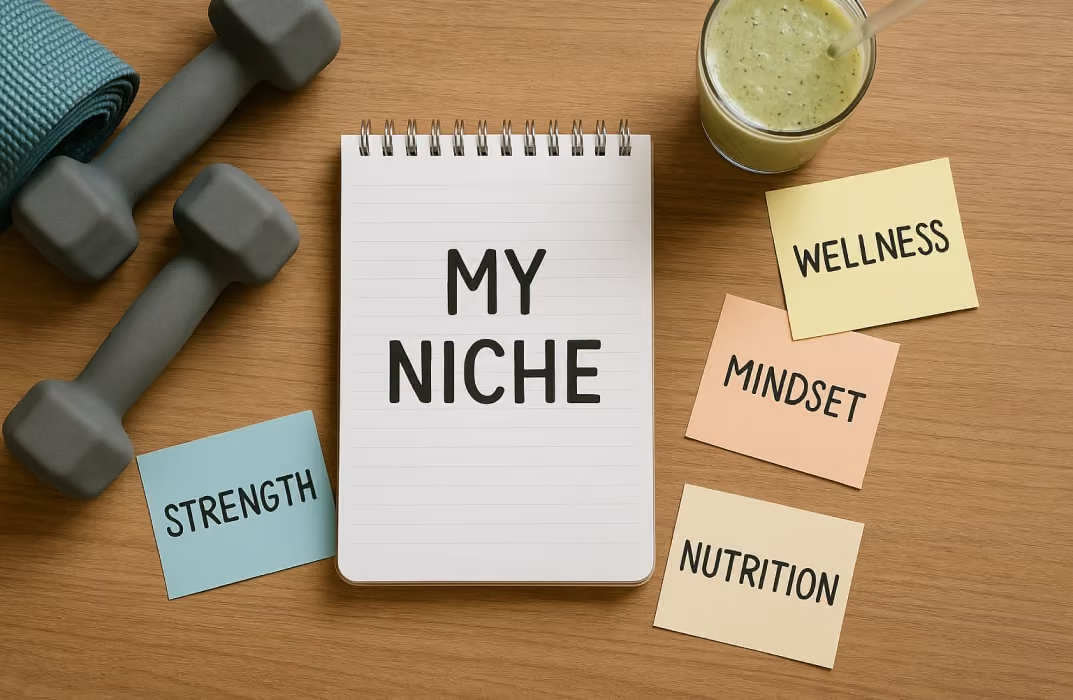
One of the biggest mistakes aspiring fitness influencers make is trying to appeal to everyone. In reality, the most successful fitness influencers thrive because they focus on a specific niche that you have identified. Your niche is the intersection of your passion, expertise, and what your target audience truly needs.
Choosing a niche isn’t about limiting yourself it’s about becoming the go-to expert for personal trainers in a space where your message resonates. And your fitness brand stands out.
Steps to Identify Your Fitness Niche
- Audit Your Skills & Passions
List your top strengths, whether it’s strength training, mobility, functional workouts, or holistic wellness. Pair that with what you genuinely enjoy teaching or sharing. - Understand Your Audience’s Needs
Research what your potential clients struggle with. Are they busy professionals looking for quick workouts? New moms needing postpartum guidance? Office workers wanting mobility tips? - Analyze Your Competitors
Study other personal trainers or popular fitness influencers in your field. What are they doing well, and where can you offer a unique perspective?
Niche Selection Checklist
- Equipment Needed: Gym, home-friendly, minimal tools
- Target Demographic: Age, gender, lifestyle, fitness goals
- Outcome Promise: Fat loss, strength gain, mobility, wellness improvement
- Content Focus: Workouts, nutrition tips, holistic wellness, motivation
💪 Got an idea for a brand? Let's bring it to life.
Launch your own fitness app with FitBudd in minutes!
💪 Got your brand name? Let’s bring it to life.
Launch your own fitness app with FitBudd in minutes!



88% trainers worldwide gave us 5 stars
Transform your fitness business with the power of your branded app on iOS and Android.
Try for FREEPersonal Branding for Fitness Trainers: Create Your Look, Voice & Promise
Building a fitness brand isn’t just about posting workouts it’s about creating a consistent identity that tells your story and connects with your audience.
For personal trainers or anyone looking to become a fitness influencer, a strong personal brand can turn casual followers into loyal clients, attract brand partnerships, and help your personal training business grow sustainably.
Think of your brand as a three-legged stool: visual identity, voice, and signature offering. Each element works together to communicate who you are, what you stand for, and why people should trust you.
1. Visual Identity
Your visuals are the first thing people notice. A consistent and professional look instantly conveys credibility and builds trust. Focus on:
- Logo & Colors: Choose a logo and color palette that reflects your personality energetic, calming, bold, or minimalist.
- Fonts & Imagery: Stick to readable fonts and high-quality photos that match your brand tone.
- Profile Pictures: Clear, approachable images for social media, website, and marketing materials.
Visual consistency across social media platforms strengthens recognition and makes your fitness content feel professional.
2. Voice & Messaging
Your voice is how your personality comes across in writing and speech. It sets the tone for all your fitness content, from training tips to motivational posts. Ask yourself:
- Are you educational, motivational, or relatable?
- Do you speak like a friend, mentor, or professional coach?
- Does your messaging reflect your values and fitness philosophy?
A clear, authentic voice helps your audience feel connected and builds credibility in the fitness space.
3. Signature Offering
A signature offering is your unique program, service, or transformation promise. Examples:
- 12-week strength program for busy professionals
- Holistic wellness coaching for women over 40
- Digital fitness programs for home workouts
This offering becomes your anchor — what you’re known for and what sets you apart as a fitness influencer.
Brand Identity Checklist
Instagram / YouTube Bio Template
“Helping [target audience] achieve [specific goal] | [Service or program] | Sharing [workouts, fitness tips, motivational posts] daily | DM me ‘Start’ to join!”
If you're a coach or trainer looking to create the perfect Instagram bio, then FitBudd Instagram Bio Generator helps you craft a powerful, client-converting first impression in seconds.
Content Strategy for Fitness Influencers: What to Post and Why
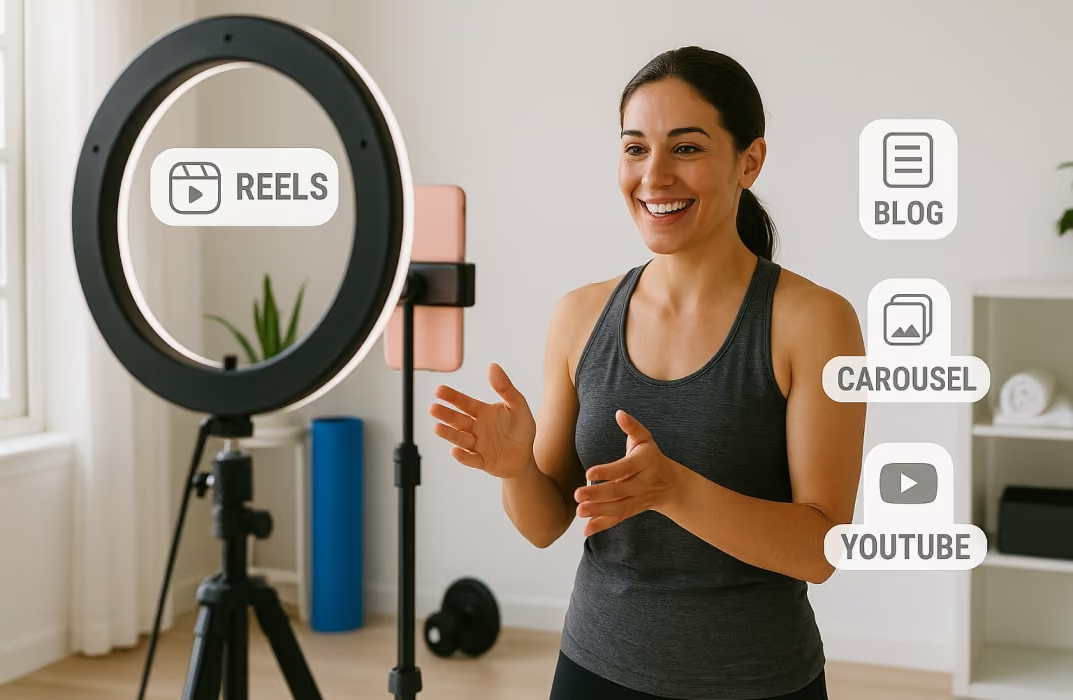
The right content strategy helps you educate, inspire, and build trust while growing your social media presence across multiple platforms.
Think of your content like a bridge: it connects your expertise to the audience’s needs. Without it, even the most skilled personal trainers struggle to become recognized in the crowded fitness space.
1. Core Content Types That Convert
Mixing different types of content ensures your audience stays engaged while you demonstrate your fitness expertise.
- Educational Content: Share workout tips, training tips, nutrition advice, or fitness programs. Builds authority.
- Behind-the-Scenes: Show your daily routine, in-person sessions, or preparation for live events. Builds connection.
- Transformational Content: Highlight your fitness journey or client results. Builds trust.
- Testimonials & Social Proof: Client messages, reviews, or short interviews. Builds credibility.
- Promotional Content: Announce new programs, digital products, or live sessions. Drives sales.
FitBudd offers a Fitness Challenge Idea Generator that gives you instant 30-day, 1-minute, and group fitness challenge ideas.
These ready-to-post ideas boost engagement, motivate your audience, and highlight your coaching style without hours of brainstorming.
2. Choosing Content Formats by Platform
Repurpose your content across platforms to maximize reach without extra effort. For example, a 60-second Instagram Reel can become a YouTube Short, and carousel posts can turn into email tips.
3. Sample 1-Week Content Calendar
4. Tips for Maximum Impact
- Batching Content: Record multiple videos or create graphics in one session to save time.
- Repurposing: Turn one high-performing post into multiple formats across platforms.
- Captions That Convert: Write like you talk relatable, concise, and clear. Ask questions to increase engagement.
- Track Performance: Use analytics to see what content drives likes, saves, shares, and client inquiries.
Best Platforms to Grow as a Successful Fitness Influencer
Once your personal brand and content strategy are in place, the next step is choosing the right platforms to grow your influence. Each platform has its own strengths, audience, and growth potential and knowing how to leverage them can help you become a fitness influencer faster.
Think of platforms as tools in your fitness brand toolkit. Using them strategically ensures your fitness content reaches the right people and converts followers into clients.
Instagram is perfect for visual storytelling and short-form content. Reels, carousels, and Stories are highly effective for engagement. Instagram is a powerhouse for fitness professionals as it caters content that is visually engaging nature.
Growth tactics:
- Use trending sounds in Reels
- Post consistently (3–5 times/week)
- Use relevant hashtags and geotags
- Engage with comments and DMs daily
- Collaborate with other fitness influencers
YouTube
YouTube builds long-term authority and discoverability. Ideal for tutorials, in-depth training tips, and transformations.
Growth tactics:
- SEO-optimize titles, descriptions, and tags
- Post consistently (1–2 times/week)
- Repurpose Reels and TikTok content as Shorts
- Include a CTA in every video (subscribe, program link)
TikTok
TikTok is all about viral growth and trendy fitness content. Short, engaging videos can reach thousands quickly.
Growth tactics:
- Participate in trends and challenges
- Keep videos under 60 seconds for max retention
- Use popular hashtags for your niche
- Engage with duets and stitches to boost visibility
LinkedIn (for higher-ticket clients)
LinkedIn is underrated but powerful for high-ticket clients and professional credibility. Great for B2B, corporate wellness, or executive coaching.
Growth tactics:
- Post articles and client success stories
- Share fitness tips relevant to professionals
- Network with decision-makers in your niche
Email helps you nurture a loyal audience and convert followers into paying clients.
Growth tactics:
- Send weekly tips, motivational posts, or program updates
- Include exclusive offers or early access to new fitness programs
- Segment your audience for personalized messaging
Podcast
Podcasts are ideal for sharing deeper insights, fitness journeys, and interviewing industry experts.
Growth tactics:
- Focus on fitness trends and actionable tips
- Invite guest personal trainers or influencers
- Promote episodes across your social media platforms
Platform Quick Guide for Social Media Platforms
How Fitness Apps for Influencers Can Help You Scale and Monetize
As a fitness influencer, building a loyal audience is just the first step. The real game-changer is turning that audience into paying clients while managing your personal training business efficiently.
That’s where fitness apps for influencers come in. They help you deliver programs, schedule content, track client progress, and even generate passive income — all from a single platform.
Using apps strategically allows you to focus on content creation, coaching, and growing your brand while automating repetitive tasks.
Types of Fitness Apps for Influencers
- Coaching Platforms: Deliver personalized workout programs and track client progress.
- Client Management Tools: Manage client data, payments, and scheduling.
- Workout Builders: Quickly create and share custom routines.
- Content Schedulers: Plan and post social media content across multiple platforms.
- Analytics Tools: Track engagement, conversion rates, and audience behavior.
Benefits of Using Fitness Apps
- Passive Income: Sell digital programs, subscriptions, or courses.
- Recurring Revenue: Automate monthly payments for online clients.
- Better Client Experience: Clients access workouts, nutrition plans, and progress tracking in one place.
- Time Efficiency: Batch program creation, content scheduling, and automated reminders.
- Professional Brand: Shows organization and reliability, increasing trust with potential clients.
Turning a Free IG Follower into an App-Paying Client
- Engage on Social Media: Share educational fitness content, transformation posts, and motivational tips.
- Offer a Lead Magnet: Free guide, mini-program, or challenge via Instagram Story swipe-up or DM.
- Redirect to App: Invite the follower to join your app for full access to programs, live sessions, and coaching.
- Upsell Programs: Offer tiered plans, one-on-one coaching, group sessions, or digital products.
- Track & Optimize: Use the app’s analytics to see which programs convert best and refine your offerings.
App Use Cases
Using a fitness platform like FitBudd empowers influencers and trainers to turn their passion into a scalable business.
The app offers powerful features such as custom-branded coaching, workout routines, progress tracking, nutrition planning, automation, video calls, payment integration, and much more.
Here, everything is designed to help you grow, engage, and manage clients seamlessly.
Land Brand Deals & Collaborations as a Fitness Influencer
Once you’ve built your fitness brand, engaged a loyal audience, and established a social media presence, the next step is monetizing your influence through brand collaborations, PR, and sponsorships. Partnering with the right brands not only boosts your revenue but also strengthens your credibility as a fitness influencer in the fitness space.
Step 1: Create a Media Kit
A media kit is like a resume for your personal training business. Include:
- Your bio and fitness expertise
- Audience demographics and engagement metrics
- Social media stats and reach
- Previous collaborations or testimonials
- Services offered (sponsored posts, reviews, affiliate promotions)
A polished media kit shows professionalism and makes it easy for brands to see the value you bring.
Step 2: Outreach Email Template
Keep outreach short, personalized, and value-driven. Mention why your audience aligns with the brand, and propose a clear collaboration idea.
Step 3: Pitching Brands
When pitching:
- Be confident but approachable.
- Highlight your niche, engagement rate, and unique perspective.
- Suggest collaboration types: Instagram posts, Reels, YouTube reviews, or digital campaigns.
- Follow up politely if you don’t get a response within a week.
Measure What Matters: Analytics for Fitness Influencers
Growing as a fitness influencer isn’t just about posting consistently it’s about understanding what works, who your ideal clients are, and how to promote your personal training services effectively.
Analytics help you make informed decisions and refine your content creation to attract potential clients and build a successful career through hard work. in the fitness industry.
Key Metrics to Track
- Engagement Rate – Likes, comments, shares, and saves on your posts show how your audience connects with your content.
- Follower Growth – Tracks whether your online efforts are reaching new ideal clients.
- Conversion Rate – Measures how many followers take action on your programs, newsletters, or personal training services.
- Website Traffic – See which posts drive traffic to your website or landing pages.
- Client Acquisition Cost (CAC) – How much effort or money it takes to convert a select group of followers into paying clients.
- Lifetime Value (LTV) – Understand how much revenue a client generates over time.
Iterate and Improve
- A/B Test Content: Try different headlines, captions, or workout formats to see what resonates.
- Refine Your Messaging: If certain posts attract more potential clients, replicate the style and topics.
- Optimize Posting Times: Track when your audience is most active and schedule content accordingly.
- Adjust Offers: Use analytics to identify which services or digital products perform best and adapt your programs.
Sample Weekly Analytics Dashboard
Keep It Professional: Disclaimers, Certifications & Ethics for Fitness Influencers
Building a successful career as a fitness influencer isn’t just about posting workouts or sharing training tips. Maintaining professionalism is essential to protect yourself, your clients, and your brand reputation in the fitness industry.
Must-Dos for Legal & Ethical Fitness Branding
- Certifications: Always have valid personal training or specialized fitness certifications. This not only boosts credibility but also shows your passion and expertise to potential clients.
- Medical Disclaimers: Include disclaimers on all online content and personal training services. For example, “Consult a physician before starting any exercise program.”
- FTC Disclosures: If you’re doing sponsored posts or brand collaborations, disclose partnerships clearly. Transparency builds trust with your followers.
- Client Privacy: Keep client information confidential. Never share personal details or photos without explicit consent.
- Copyright Compliance: Use music, images, and videos that are either royalty-free or properly licensed to avoid legal issues.
90-Day Brand-Building Plan to Become a Fitness Influencer
Building a fitness brand and growing as a fitness influencer can feel overwhelming. A structured plan helps you stay consistent, create value for your ideal clients, and promote your personal training services effectively. Here’s a 90-day roadmap broken down into actionable weekly steps.
Week-by-Week Plan for Personal Trainers
Tools to Help You Build Your Brand
Building a strong fitness brand and growing as a fitness influencer requires more than passion and hard work it also needs the right tools. From content creation to managing personal training services and engaging your ideal clients, the right tools streamline your efforts and help you scale your personal training business efficiently.
Essential in person Tools for Fitness Influencers
- Content Creation: Canva, Adobe Spark, or CapCut for designing graphics, editing videos, and creating engaging fitness content.
- Video Hosting & Scheduling: Later, Buffer, or Hootsuite to schedule posts across multiple social media platforms.
- Coaching & Fitness Apps for Influencers: FitBudd, Trainerize, or TrueCoach to deliver programs, track client progress, and manage payments.
- Website & Landing Pages: Squarespace, Wix, or WordPress for building a professional website that showcases your services, programs, and brand.
- Email Marketing & CRM: Mailchimp or ConvertKit for nurturing your select group of followers into potential clients.
- Analytics Tools: Google Analytics, Instagram Insights, and YouTube Studio to track engagement, conversions, and audience growth.
- Payment & Booking: Stripe, PayPal, or Acuity Scheduling to streamline client payments and appointment management.
Ready to Build a Brand as a Fitness Content Influencer?
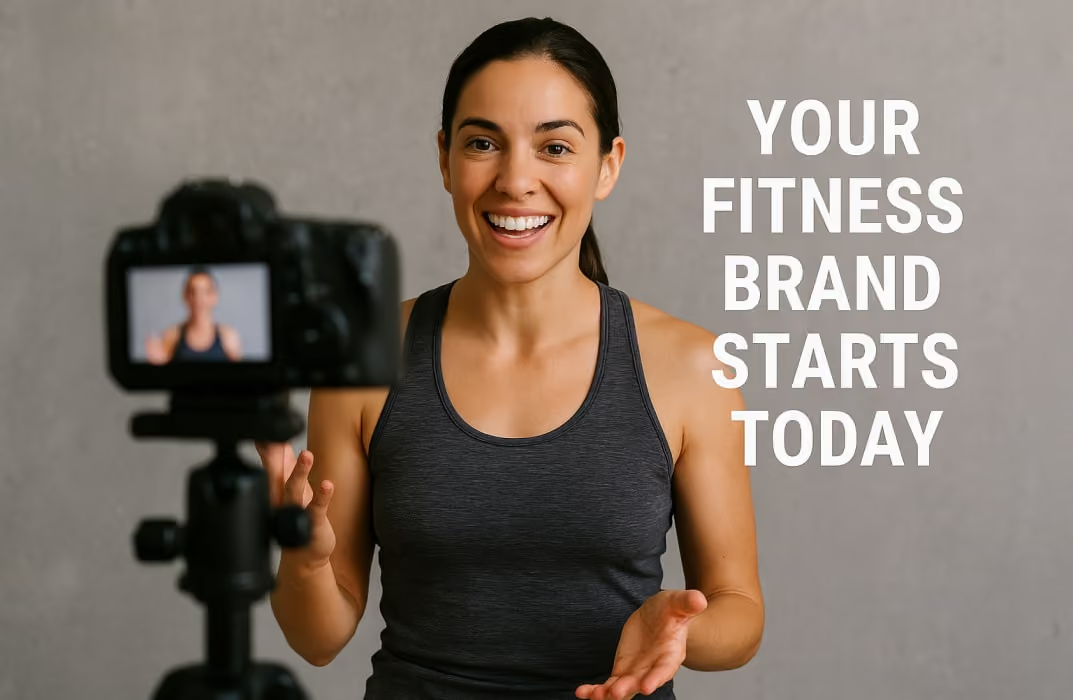
Building a fitness brand and becoming a fitness influencer is a journey that blends passion, effort, and strategy. From defining your niche to creating engaging content, growing your audience, and monetizing your personal training services, every step contributes to a successful career in the fitness industry.
Remember, it’s not just about followers — it’s about connecting with your ideal clients, providing value, and showing your unique perspective as a personal trainer or professional bodybuilder. With the right tools, consistency, and dedication, you can turn your online presence into a thriving personal training business.
Take the first step today & define your niche, set up your website, and explore various ways to start creating content that resonates with your potential clients.
Download our brand-building template or try FitBudd for free to launch your own personal training app.

Meet the author
Ankit Uniyal
Frequently Asked Questions

Yangzey Sherpa leads content strategy at FitBudd, overseeing content planning and execution across fitness-focused digital channels. With over five years of experience in SEO and content, she works closely with the fitness industry to ensure content aligns with the needs of coaches, trainers, and gym owners. Her role keeps her deeply connected to fitness business workflows, coaching models, and how professionals use digital platforms to grow.


Apra Pathak has worked closely within the fitness niche for several years, supporting personal trainers and fitness coaches through content and digital marketing initiatives. Her experience centers on understanding how fitness professionals build visibility, communicate value, and engage clients online. Through sustained involvement with fitness-focused platforms and audiences, she has developed a strong understanding of the digital needs and growth challenges faced by modern fitness businesses.

Aishwarya Mehra has been actively involved in fitness-focused digital marketing, working closely with brands and platforms that serve coaches, trainers, and fitness businesses. Her experience spans engagement-driven strategies designed specifically for fitness audiences. Through ongoing exposure to fitness campaigns and communities, she remains closely aligned with how fitness professionals attract, convert, and retain clients in digital environments.

Suchandra Das has contributed content within the fitness niche, working on resources designed for coaches, trainers, and fitness business owners. Her experience involves supporting fitness-related topics with clear, structured, and accessible content. Through consistent involvement with fitness-focused platforms, she has developed familiarity with coaching workflows, client communication, and the informational needs of fitness professionals.
FitBudd is a fitness technology platform built exclusively for coaches, personal trainers, gym owners, and fitness professionals. The platform supports fitness businesses through branded apps, white-labeled solutions, and websites designed around real coaching and training workflows. FitBudd works closely with the global fitness community, maintaining deep, ongoing involvement in the fitness industry.

Ankit Uniyal has worked extensively with fitness-focused content, supporting platforms that cater to personal trainers, gym owners, and fitness professionals. His experience includes optimizing and structuring content around fitness-related search behavior and user intent. Through continued involvement in the fitness niche, he has gained a strong understanding of how trainers and coaches build discoverability and authority online.

Saumya Mittal is the Co-Founder and CEO of FitBudd. Since 2021, she has been actively engaged in the fitness technology sector, collaborating with global fitness companies to foster digital growth and scalable operations. With over a decade of experience leading high-impact projects in engineering and operations, Saumya has a strong background in developing reliable and scalable systems. Through FitBudd, she is dedicated to addressing the evolving needs of fitness professionals worldwide.

Kinshuk Snehi has been closely involved in the fitness space for over four years. Through his work at FitBudd, he has contributed to shaping how fitness professionals build their online presence, attract clients, and scale sustainable coaching businesses. Deeply interested in the intersection of fitness, technology, and growth, Kinshuk brings a hands-on understanding of the challenges faced by modern trainers. His passion lies in building systems and strategies that support long-term consistency, both in fitness journeys and business growth.

Kanika Verma has been closely involved in building solutions for the fitness industry, working with platforms used by coaches and trainers globally. Her experience includes direct exposure to fitness coaching workflows and operational needs. Through sustained involvement in fitness-focused product development, she has developed a strong understanding of how fitness professionals manage clients, programs, and daily operations.

Tanya Sharma has worked on branding initiatives within the fitness niche, supporting fitness platforms and businesses with visual identity design. Her experience includes creating brand systems used by coaches, trainers, and fitness-focused products. Through ongoing involvement in fitness-related design projects, she remains closely connected to how fitness brands communicate trust and professionalism.

Niharika Sonavane has contributed to visual design projects within the fitness industry, supporting platforms and brands serving fitness professionals. Her experience spans creating digital assets used across fitness apps, websites, and marketing materials. Through continued work in the fitness niche, she remains closely aligned with the visual communication needs of coaches and fitness businesses.

Elesh Patel has worked extensively on marketing initiatives within the fitness niche, managing paid campaigns for fitness-focused products and services. His experience includes supporting platforms that target personal trainers, gym owners, and fitness creators. Through long-term involvement in fitness marketing, he remains closely connected to how fitness professionals discover and adopt digital tools.


Ultimate Marketing Guide for Fitness Trainers
Boost your business growth with these tried and tested marketing strategies. Free for you to download.
Download Now
Templates
These functional templates have the power to make any fitness trainer's life easier.
Subscribe To
Our Blog
.avif)






In 2026, building a fitness brand isn’t about chasing trends it’s about telling the truth.Your story is your strategy. I built my brand by sharing why I help Jewish busy moms: faith, family, discipline, and real-life chaos.When you lead with purpose and lived experience, the right clients don’t just follow you attract them.
Yael Rodriguez
Women's Personal Trainer