
The difference between a forgettable group workout and a class that builds fierce member loyalty often comes down to drill selection and delivery. Group fitness drills provide the structural building blocks that transform random exercise collections into engaging, purposeful training experiences. Mastering drill design, selection, and implementation distinguishes coaches who consistently fill classes from those struggling with attendance and retention.
For personal trainers expanding into group training, gym owners developing class programming, and studio operators seeking to differentiate their offerings, understanding group fitness drills at a deeper level creates competitive advantage. This guide examines drill categories, selection criteria, programming frameworks, and delivery techniques that elevate group training quality and participant outcomes.
What Makes an Effective Group Fitness Drill
Not all exercises function equally well in group settings. Understanding what distinguishes effective group fitness drills from exercises better suited to individual training helps coaches build engaging class experiences.
Characteristics of Strong Group Drills
Effective group fitness drills share several key attributes:
Scalability across fitness levels allows participants with different abilities to work simultaneously at appropriate challenge levels. The best group drills have obvious progressions and regressions enabling mixed-ability classes.
Visual clarity means movements can be demonstrated quickly and understood without extensive verbal explanation. Complex exercises requiring lengthy instruction interrupt class flow and create confusion.
Safety at scale permits multiple participants to exercise simultaneously without dangerous interactions or requiring constant individual supervision.
Energy and engagement potential creates the atmosphere that distinguishes group training from solitary exercise. Effective drills generate visible effort, sometimes friendly competition, and shared experience.
Equipment efficiency works within available resources. Drills requiring specialized equipment for each participant limit implementation options.
The Group Training Context
Group settings impose constraints and create opportunities absent in one-on-one training:
Attention distribution means coaches cannot continuously monitor each participant. Drills must be safe and effective without constant individual correction.
Motivation amplification occurs when participants draw energy from surrounding effort. Properly designed drills leverage this social facilitation.
This phenomenon has a name in exercise science: the Köhler effect. Research led by Deborah Feltz, Ph.D., University Distinguished Professor Emerita of Kinesiology at Michigan State University, found that participants in conjunctive group exercise conditions — where the group outcome depends on each member's effort — exercised nearly twice as long as those working alone (21.89 minutes vs. 10.6 minutes on average). The finding, published in the Annals of Behavioral Medicine*, confirms what effective group coaches observe daily: when individual effort visibly matters to the group, people push past what they would ever do on their own. Designing drills with partner accountability, team formats, and synchronized challenges directly activates this effect
Time efficiency demands require drills that transition quickly and don't require extensive setup between exercises.
Variety requirements are heightened because groups meet repeatedly, necessitating programming variation to maintain engagement.
Categories of Group Fitness Drills
Group fitness drills organize into functional categories based on their primary training purpose and implementation format.
Cardiovascular and Conditioning Drills
Drills emphasizing heart rate elevation and metabolic demand:
Running variations including shuttle runs, suicide drills, high knees, butt kicks, lateral shuffles, and grapevine movements. These require minimal equipment and scale through speed and duration modification.
Jumping drills such as jumping jacks, squat jumps, tuck jumps, broad jumps, and burpees. Impact can be modified for different populations through step-out variations.
Rowing, cycling, and machine-based intervals when equipment permits. Machine drills work particularly well in circuit formats where subgroups rotate through stations.
Battle rope protocols including waves, slams, alternating movements, and partner synchronization. Ropes create visual energy and require minimal technical instruction.
Agility ladder drills providing coordination challenge alongside cardiovascular demand. Ladder drills add variety and skill elements to conditioning work.
Strength and Resistance Drills
Drills developing muscular strength and endurance:
Bodyweight fundamentals, including push-up variations, squat variations, lunge variations, plank holds, and pull-up progressions. These form the backbone of equipment-minimal group training.
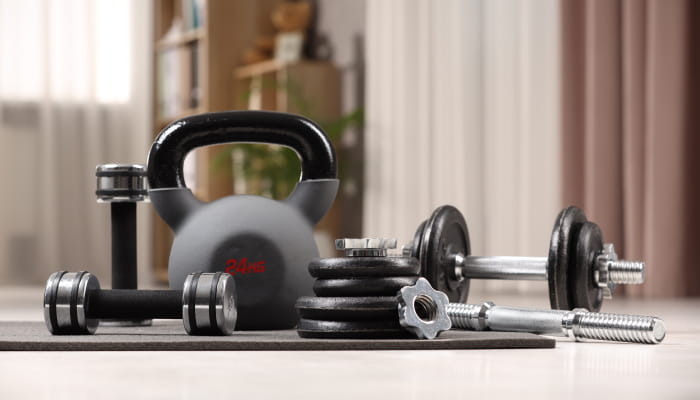
Dumbbell and kettlebell drills such as goblet squats, swings, presses, rows, and carries. Moderate equipment requirements enable most facilities to implement these.
Barbell drills are for facilities with sufficient equipment and participants with appropriate experience. Deadlifts, squats, presses, and Olympic lifting derivatives can be performed in structured group formats.
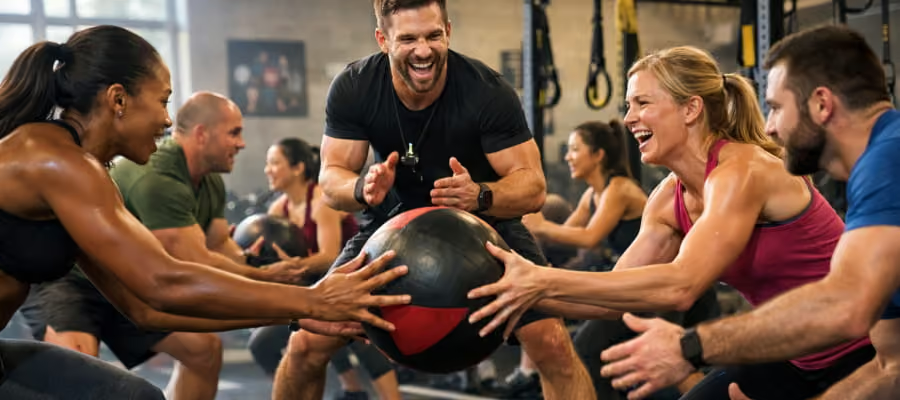
Medicine ball drills, including slams, throws, rotational passes, and wall balls. Medicine balls enable power development and partner interactions.
Resistance band drills provide portable, scalable resistance for any movement pattern. Bands work particularly well for outdoor boot camps or traveling trainers.
Partner and Team Drills
Drills involving direct interaction between participants:
Partner resistance drills in which one participant provides resistance to another's movement. Partner rows, presses, and isometric challenges create connection and accountability.
Synchronized movement drills require partners or teams to coordinate timing. Synchronized burpees, coordinated passes, or team countdowns build camaraderie.
Competitive partner drills, including partner races, rep challenges, and versus formats. Competition energizes, while partnerships maintain connection.
Team relay formats divide classes into groups competing through exercise stations or distances. Relays create excitement and natural rest intervals.
Partner-assisted drills where one participant assists another's range of motion or provides stability. Partner stretching, assisted pistol squats, or supported exercises enable movements that would otherwise be inaccessible.
Circuit and Station Drills
Drills organized into rotating station formats:
Timed station circuits where participants work for set intervals before rotating. Classic circuit training remains highly effective for group settings.
Rep-based stations requiring completion of specified repetitions before moving. Rep targets accommodate varying completion speeds.
AMRAP stations (As Many Rounds As Possible) challenge participants to complete as much work as possible within time limits.
EMOM formats (Every Minute On the Minute) prescribe work at each minute's start with the remaining time as rest.
Chipper circuits requiring completion of all stations in sequence without rotation, creating race-format excitement.
Drill Selection Principles
Choosing appropriate drills requires matching exercise characteristics to class context, participant capabilities, and training objectives.
Matching Drills to Class Format
Different class types warrant different drill emphases:
Boot camp classes favor high-energy, minimal-equipment drills with frequent variation. Bodyweight conditioning, partner challenges, and competitive elements align with boot camp energy.
Small group training permits more technical drills requiring closer supervision. Barbell work, complex kettlebell movements, and individualized progressions become feasible with smaller groups.
Circuit training classes need drills functioning effectively at stations without continuous coaching. Self-explanatory movements with clear completion criteria work best.
Sport-specific group training selects drills developing qualities relevant to target activities. Agility drills for field sport athletes, rotational power for golf or tennis players, or climbing-specific conditioning for climbers.
Senior fitness classes emphasize lower-impact drills with clear scaling options and safety margins. Chair-assisted movements, balance challenges, and controlled-tempo exercises suit this population.
Matching Drills to Training Goals
Training objectives drive drill selection:
Fat-loss and conditioning goals favor higher-intensity intervals, compound movements, and formats that maximize metabolic demand. Circuit formats with minimal rest support these objectives.
Strength development goals require adequate loading, appropriate rest, and lower-rep protocols. Group strength training needs sufficient equipment and programming discipline.
Mobility and flexibility goals incorporate movement preparation drills, dynamic stretching, and controlled-range exercises. These drills often serve as class components rather than primary focuses.
Skill development goals select drills, practicing specific movement competencies. Progression-based drilling supports technique acquisition alongside conditioning.
Matching Drills to Participant Capabilities
Population characteristics influence appropriate drill selection:
Mixed-ability classes demand drills with obvious scaling pathways. Every drill should have easier and harder variations that coaches can quickly offer.
Beginner-dominant classes favor simpler movement patterns with lower technical demands and injury risk.
Advanced classes can incorporate complex movements, higher intensities, and longer work periods that would overwhelm less-prepared participants.
Injury-prevalent populations require modification options for common limitations (knee issues, shoulder restrictions, back concerns).
Programming Group Fitness Drills
Effective class programming assembles individual drills into coherent session structures serving training objectives.
Class Structure Frameworks
Several structural approaches organize group fitness sessions:
The traditional warmup-workout-cooldown remains effective: 5-10 minutes of preparation, 30-40 minutes of primary training, and 5-10 minutes of recovery. This structure works across class types.
Wave loading alternates between higher- and lower-intensity blocks: hard effort, moderate recovery, hard effort, moderate recovery. Waves manage fatigue while maintaining elevated demand.
Build formats progressively increase intensity throughout class, starting with moderate and finishing with peak-effort drills. Builds suit participants who need gradual preparation.
Descending formats front-load demanding work while participants are fresh, tapering as fatigue accumulates. This approach maximizes quality on the most challenging drills.
Bookend formats place high-energy drills at session start and finish, with steadier work in the middle. Strong starts and finishes create memorable class experiences.
Drill Sequencing Principles
The order of drills affects both effectiveness and experience:
Alternating movement patterns avoid consecutive drills that load identical muscle groups. Upper body, lower body, and core exercises can rotate to distribute fatigue.
Complexity management places technically demanding drills earlier when participants are mentally fresh. Save simpler, effort-based drills for later when cognitive resources diminish.
Energy management considers class energy trajectory. Starting with engaging drills builds momentum; ending with satisfying challenges creates positive final impressions.
Equipment transitions minimize setup and breakdown time by grouping drills using similar equipment or arranging logical station flows.
Variation and Progression
Maintaining engagement across repeated classes requires systematic variation:
Same-but-different approaches modify familiar drills by changing tempo, swapping equipment, or adding partners. Recognition with novelty maintains engagement.
Themed programming organizes classes around concepts (upper body focus, metabolic blast, partner day), creating variety while maintaining structure.
Progressive programming builds capabilities over weeks, gradually increasing drill complexity or intensity as participants develop.
Seasonal or cyclical programming aligns class themes with calendar events, seasons, or training blocks, creating programming rhythm.
Scaling Group Fitness Drills
Effective scaling enables mixed-ability classes where every participant receives appropriate challenge.
Scaling Methodologies
Multiple approaches modify drill difficulty:
The American Council on Exercise (ACE) — whose NCCA-accredited Group Fitness Instructor certification is validated by more than 20,000 working instructors — identifies scaling as a core professional competency, not an accommodation. ACE defines the qualified group fitness instructor as someone who "adapts workouts based on the diverse needs of class participants" and applies teaching techniques suited to multiple stages and styles of learning. Their RRAMP Approach™ provides a structured framework for building class environments where participants at every ability level are recognized and served. For fitness professionals designing group drills, building scaling into exercise selection from the outset — rather than adding modifications as afterthoughts — is the standard that professional certification programs are built around.
Load scaling adjusts resistance through weight selection, band tension, or body position changes affecting leverage.
Range of motion scaling modifies movement depth or height to match individual capability.
Tempo scaling slows or accelerates movements, with slower tempos often increasing difficulty through extended time under tension.
Complexity scaling simplifies movements by removing components (push-up without the clap, squat without the jump) or adds complexity for advanced participants.
Volume scaling adjusts rep counts or work durations while maintaining drill structure.
Impact scaling offers lower-impact alternatives (step-outs instead of jumps) for participants avoiding high-impact loading.
Communicating Scaling Options
Effective scaling communication during class:
Visual demonstration shows the primary drill version followed by quick demonstrations of easier and harder variations.
Verbal framing presents scaling as customization rather than regression: "Choose the version that challenges you" rather than "Do this if you can't do the real exercise."
Pre-class assessment identifies participant limitations enabling proactive modification offers.
Individual check-ins during drills allow quiet scaling guidance without class-wide attention.
Building Scaling Into Drill Selection
Some drills scale more naturally than others:
Highly scalable drills have obvious modification pathways across wide ability ranges. Push-ups scale from wall push-ups through incline, full, decline, and deficit variations spanning most ability levels.
Moderately scalable drills work across limited ranges. Box jumps scale through step-ups and lower boxes but become impractical at extremes.
Limited scalability drills require substitution rather than modification for certain populations. Handstand work may require entirely different movements for participants with wrist or shoulder limitations.
Prioritizing highly scalable drills simplifies class management and improves participant experience.
Delivering Group Fitness Drills Effectively
Drill selection and programming only matter if delivery executes well. Coaching skills specific to group settings determine ultimate effectiveness.
Demonstration Techniques
How drills are demonstrated affects understanding and execution:
Position visibility ensures all participants can see demonstrations. Elevated platforms, central positioning, or mirror use improves sight lines.
Multi-angle showing demonstrates front and side views when movement complexity warrants.
Tempo clarity shows intended movement speed rather than artificially slow demonstration pace.
Error anticipation briefly shows common mistakes and corrections during demonstration.
Minimal verbal accompaniment relies primarily on visual demonstration. Over-explanation creates confusion and delays class momentum.
Cueing During Drills
Effective in-drill coaching maintains quality without interrupting flow:
Global cues address the entire class with broadly applicable reminders: "Chest up!" "Full range!" "Breathe!"
Individual cues provide quiet, specific feedback to participants needing correction without drawing class-wide attention.
Positive reinforcement acknowledges effort and improvement, maintaining motivation.
Timing awareness places cues at appropriate moments—not during maximal exertion when participants can't process information.
Economy of language uses minimal words with maximum clarity. "Knees out" communicates faster than "Make sure you're pushing your knees toward your pinky toes."
Managing Energy and Motivation
Group training thrives on energy management:
Instructor energy sets class tone. Visible enthusiasm, appropriate volume, and genuine engagement create environments participants want to join.
Music integration supports but doesn't dominate. Tempo-appropriate music enhances energy without overwhelming coaching communication.
Strategic silence allows music and effort sounds to fill space during appropriate moments. Constant talking exhausts both instructor and participants.
Competition and challenge used judiciously elevates engagement without creating discouraging environments for less-competitive participants.
Acknowledgment and celebration of effort, improvement, and completion builds positive associations with the training experience.
Common Misconceptions About Group Fitness Drills
Several misunderstandings affect how fitness professionals approach group training.
Misconception: More Variety Always Improves Classes
The assumption that constant novelty optimizes engagement overlooks the value of familiarity.
Reality: Participants benefit from recognizing drills they can execute confidently alongside new challenges. Completely novel sessions every class prevent skill development and create anxiety for some participants. Balance familiar elements with strategic variety.
Misconception: Complex Drills Demonstrate Coaching Expertise
Selecting elaborate, technical drills to showcase knowledge often backfires in group settings.
Reality: Simple drills executed with excellent coaching often outperform complex drills requiring constant correction. Expertise shows through participant results and experience quality, not drill complexity.
Misconception: Everyone Should Do the Same Thing
Applying uniform prescription to diverse participants ignores individual differences affecting appropriate challenge.
Reality: Effective group training provides a framework within which individuals scale appropriately. The same drill at different intensities serves different participants simultaneously.
Misconception: Group Training Can't Develop Strength
The belief that group settings only suit cardio-focused training underestimates programming possibilities.
Reality: Properly structured group training develops strength effectively. Adequate equipment, appropriate work-rest ratios, and progressive loading create strength stimulus in group contexts. The constraint is programming and equipment, not the group setting itself.
Misconception: High Energy Means High Quality
Equating class energy with training effectiveness overlooks whether drills actually serve training objectives.
Reality: Energy creates experience; programming creates results. Both matter. High-energy classes with poor drill selection may entertain without delivering adaptation. Lower-key sessions with excellent drill programming may produce superior outcomes despite less visible excitement.
Building Your Drill Library
Systematic drill library development supports consistent programming quality.
Cataloging Drills
Organize drills for efficient programming access:
Category organization groups drills by movement pattern, equipment requirement, or energy system demand.
Scaling documentation records available modifications for each drill.
Cue libraries capture effective verbal and visual cues for common drills.
Sequencing notes identify which drills pair well together and which combinations to avoid.
Continuous Drill Development
Expanding your library over time:
Variation exploration creates new options from familiar foundations. How many push-up variations can you catalog? How many squat patterns?
Peer observation identifies effective drills from other coaches' classes.
Investing in education through continuing education, workshops, and resources introduces new drilling possibilities.
Testing and refinement trials new drills in actual classes, retaining effective additions and discarding those that don't translate well.
Taking Action: Elevating Your Group Fitness Drills
Fitness professionals ready to improve group training delivery should follow structured development approaches.
Audit Your Current Drill Selection
Review recent class programming for variety, scalability, and alignment with training objectives. Identify gaps in drill categories or populations served.
Develop Scaling Protocols for Core Drills
Document clear scaling pathways for your most-used drills. Prepare to offer modifications instantly during class delivery.
Practice Demonstration and Cueing
Rehearse drill demonstrations for clarity and efficiency. Develop concise cue libraries for common correction needs.
Build Programming Templates
Create class structure templates that incorporate different drill categories, ensuring a balanced session design without starting from scratch each class.
Track and Refine Based on Outcomes
Document which drills generate engagement, produce results, and create positive participant feedback. Use platforms like FitBudd to track class programming and participant responses over time, building a data-informed understanding of what works for your specific populations.